


Exposed concrete, simple and pure, represents an artistic revolution in the field of architecture. It does not rely on external ornaments or grandeur but instead reveals the true essence of the building in all its raw beauty. In an age of excess, exposed concrete is like a breath of fresh air, stripping away the superficial to return architecture to its most primal, natural form.
Concrete, like an unadorned artist, uses earth as its brush to depict the rustic beauty of the land. In this era of industrial chic, people yearn for a sense of simplicity and natural living. With its clean, unadorned appearance, exposed concrete architecture breaks the mold of traditional building practices, subverting the elaborate decorations of exterior walls, and transporting people to a primal, untouched landscape.
What is Exposed Concrete?
In recent years, the rise of the loft and industrial styles has popularized the use of raw concrete in interior design. But what exactly is exposed concrete?
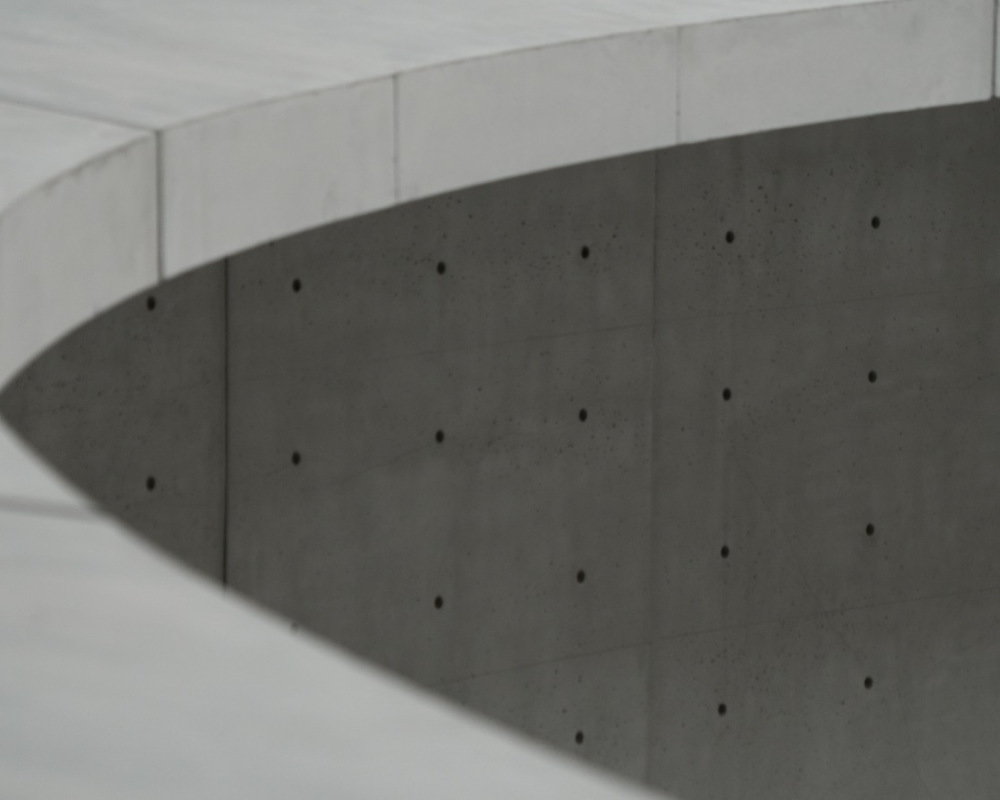
Exposed concrete architecture refers to buildings constructed using fair-faced concrete techniques, a form of pure architectural expression. Typically, concrete structures undergo processes like pouring, curing, and hardening, after which the exterior is usually painted or tiled. However, the fair-faced concrete method emphasizes the smooth, bare concrete surface that emerges after the formwork is removed. The walls are left uncoated and unadorned, showcasing the concrete in its most natural state. This gives exposed concrete buildings a unique, serene beauty, creating a modern, somewhat Zen-like simplicity and natural feel, combined with unique design and texture.
Advantages
Easy Maintenance, Insulation
Besides its aesthetic appeal and durability, exposed concrete is easy to maintain, as it doesn't easily accumulate dirt and grime. Regular cleaning only requires a wipe with water. Additionally, due to its porous surface, exposed concrete can quickly absorb and dissipate heat, helping to regulate indoor temperatures, making it cool in summer and warm in winter.
Disadvantages
Complex Construction, Irreversible
The construction of exposed concrete is complex and irreversible. Once an error occurs, it cannot be easily corrected. Therefore, meticulous planning is required beforehand. Since exposed concrete construction doesn’t involve additional finishes, the design and execution are more challenging. Each step, from the cement mix ratio to the pouring speed, formwork alignment, and reserved openings, must be perfectly coordinated to achieve a smooth, solid surface.
What is Concrete Formwork Plywood?
"Concrete formwork plywood" is a common material used in construction sites as a mold for shaping poured concrete. It is used for building exteriors or interior walls during concrete pouring. To enhance its durability in outdoor conditions, the plywood is typically treated with a special adhesive, making it more weather-resistant and structurally robust.
• Ulin Plywood
This critical material in concrete construction is primarily made from eucalyptus and undergoes special surface treatments. It meets standard structural requirements for concrete pouring and is mainly sourced from China. Unlike earlier concrete formwork that required oiling, Ulin plywood eliminates the need for such labor-intensive processes, making it easier to separate from the concrete during formwork removal. This saves time, keeps surfaces clean, and increases the number of reuses, effectively reducing construction costs.
• Finnish Plywood
Finnish plywood is favored for its unique properties. Its surface is coated with phenolic resin, and the veneers are bonded with WBP waterproof glue, ensuring water resistance and durability. This type of concrete formwork resists chemicals, fungi, and mold. Its main advantage is its ability to produce a smooth, bare concrete finish without the need for additional plastering. It also withstands corrosive environments and extreme temperatures, making it widely used in formwork applications.
Application and Philosophy
"Concrete is both a structural and an unembellished concept," as influenced by Japanese architect Tadao Ando. The use of exposed concrete materials has become increasingly popular among designers. Its clean lines and refreshing design style have been widely adopted in recent architectural projects. In Taiwan, exposed concrete is often used in public buildings, such as the Dadong Arts Center in Kaohsiung, the Shihsanhang Museum of Archaeology in Bali, the Yingge Ceramics Museum, the Yuan Ze University Library, and the Tung-Min Memorial Hall at Shih Chien University.
Exposed concrete walls are made of reinforced concrete, which easily absorbs moisture but also has good drainage capabilities. On rainy days, if the exposed concrete wall is thick enough, it can remain dry on the inside even as it gradually absorbs water from the outside. It is important to note that paint should not be applied to the wall surface, as this would inhibit the wall's ability to breathe.
Combining Exposed Concrete with Other Materials
• Solid Wood
Wood can create a Zen-like, tranquil atmosphere.
• Brickwork
Partially burnt bricks paired with exposed concrete convey a poetic balance between roughness and refinement.
• Glass
Glass can be used to enhance modern spaces.
Exposed concrete architecture is not just a building style; it's a lifestyle choice. In this fast-paced society, exposed concrete buildings offer a serene oasis where people can find a moment of peace amidst the chaos. Life doesn't always need to be colorful and grand; sometimes, a simple, elegant concrete form is the most sincere and moving expression.