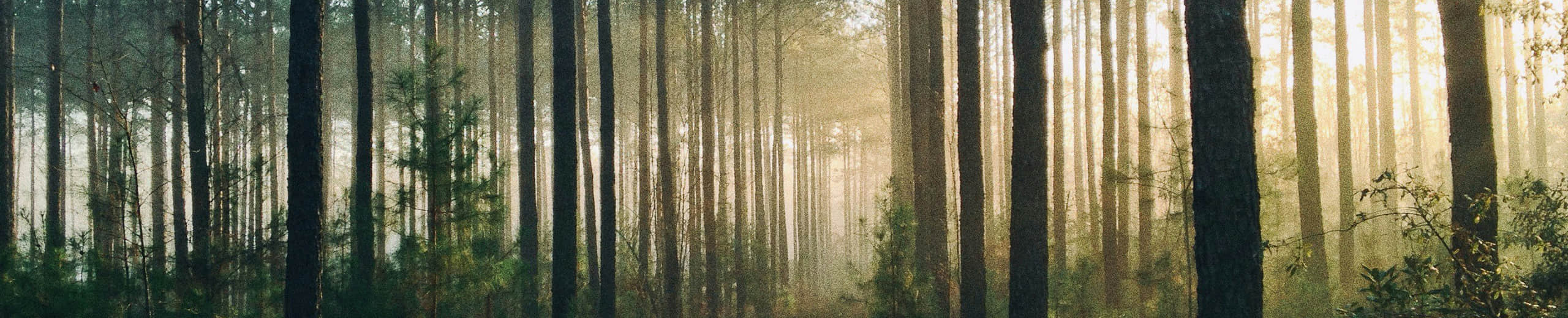
North American Spruce-Pine-Fir (SPF) is not a single tree species but a collective term for several softwood species commonly found in North America. The primary species include:
Spruce (Picea spp.), such as White Spruce (Picea glauca)
Pine (Pinus spp.), such as Jack Pine (Pinus banksiana)
Fir (Abies spp.), such as Balsam Fir (Abies balsamea)
These species all belong to the Pinaceae (pine family) and are grouped together due to their similar physical properties and widespread use in construction and woodworking.
Distribution
SPF species primarily grow in the boreal and temperate forests of North America, including:
Canada: Widely distributed across British Columbia, Alberta, Quebec, Ontario, Saskatchewan, and Manitoba, making it one of Canada’s most important commercial timber sources.
United States: Found mainly in the northern states and the Rocky Mountain regions, such as Alaska, Maine, Minnesota, Montana, and Wisconsin.
Adapted to cold climates, SPF species grow at a slower rate, resulting in uniform wood structure and moderate strength, making them a preferred choice in the construction and woodworking industries.
Color and Appearance
The color of SPF wood varies by species but is generally light, with the following characteristics:
Heartwood: Light yellowish-brown to pale reddish-brown, with minimal color variation.
Sapwood: White to pale yellow, blending smoothly with the heartwood.
Grain and Texture: Generally straight and fine-grained, with a uniform texture and visible growth rings, giving the wood a smooth appearance.
Due to its lightweight nature, moderate strength, ease of machining, and excellent nail-holding capacity, SPF wood is widely used in construction framing, furniture, plywood, packaging crates, pallets, and pulp production. Additionally, SPF wood absorbs paint and stains well, making it a popular choice for interior finishing and fine woodworking applications.
Reference : https://www.pinterest.com/pin/405746247696499529/