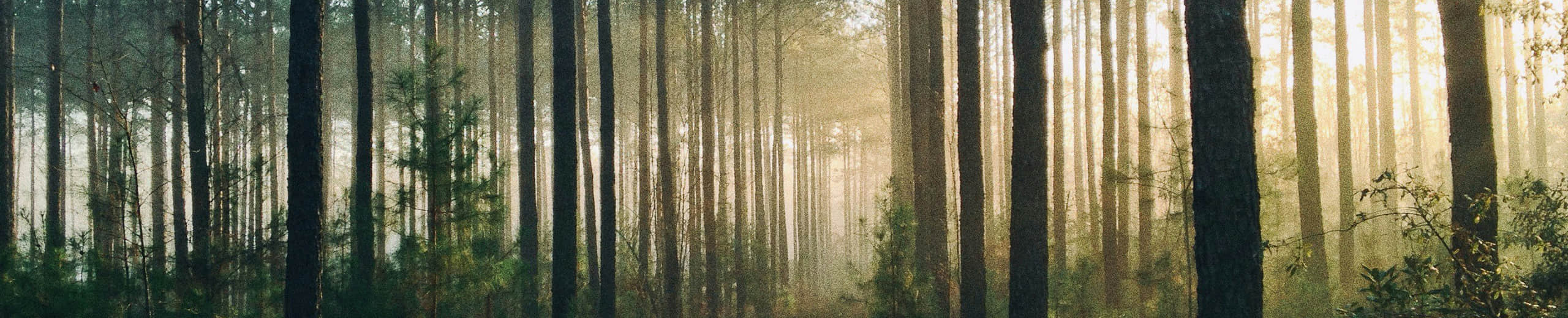
White Ash, scientifically known as Fraxinus americana, is a species of deciduous tree in the Oleaceae family. It is commonly referred to as American Ash and is one of the most widely recognized ash species in North America. White Ash is known for its strong, durable wood, which has made it a popular choice in both construction and craftsmanship, particularly for items requiring resilience and shock resistance, such as furniture, tool handles, and sports equipment like baseball bats.
As a member of the Fraxinus genus, White Ash shares characteristics with other ash species, including its compound leaves and distinctive branching structure. It is a medium to large-sized tree that can live for over 100 years, making it a long-term contributor to forest ecosystems.
Distribution
White Ash is native to eastern North America, primarily found in Canada and the United States. Its main distribution areas include:
Eastern United States: White Ash is most abundant in the northeastern, midwestern, and southeastern parts of the United States, including New York, Pennsylvania, Ohio, Michigan, and Tennessee.
Canada: It also extends into southern Ontario and parts of Quebec, where it grows in mixed hardwood forests.
White Ash typically thrives in moist, well-drained soils and is commonly found in floodplains, river valleys, and lowland hardwood forests. It prefers areas with moderate to high rainfall and can grow in a variety of climates, from humid subtropical regions to temperate zones. As a pioneer species, White Ash often grows alongside other hardwoods like oak, maple, and hickory.
Color and Appearance
White Ash is known for its pale, light-colored wood and distinctive bark, which make it a highly sought-after material for various uses. The key characteristics of its wood and appearance include:
Heartwood: The heartwood of White Ash is typically light brown to golden or tan, sometimes with subtle greenish or grayish hues. The color tends to darken slightly with age.
Sapwood: The sapwood is generally pale yellowish-white, creating a clear contrast with the darker heartwood.
Grain and Texture: White Ash features a straight to slightly wavy grain, with a medium to coarse texture. The wood’s grain is particularly notable for its prominent, interlocking pattern, giving it both visual appeal and structural strength.
Bark: The bark of mature White Ash trees is grayish-brown with deep furrows and diamond-shaped ridges. The texture is rough and becomes more pronounced as the tree matures.
White Ash is highly regarded for its durability, flexibility, and shock resistance, which makes it ideal for tool handles, furniture, flooring, and sports equipment like hockey sticks and basketball courts. Its workability also makes it a favorite among woodworkers and craftsmen.
In addition to its practical uses, White Ash contributes to the aesthetic value of landscapes with its vibrant green foliage during the growing season, which turns yellow to purple in the fall, adding a stunning visual contrast. However, the species is currently threatened by the emerald ash borer, an invasive insect that has caused significant decline in ash populations in North America.
With its strength, beauty, and versatility, White Ash continues to be a valuable resource for both commercial and ecological purposes, despite the challenges posed by environmental threats.