


Pop-Up Timber Cabins in Aarhus
Contents :
1.A Spatial Experiment on Idle Railways
2.From Industrial City to Cultural Hub
3.Railway Carriages Reimagined Through Timber
4.Design Through Community Participation
A Spatial Experiment on Idle Railways
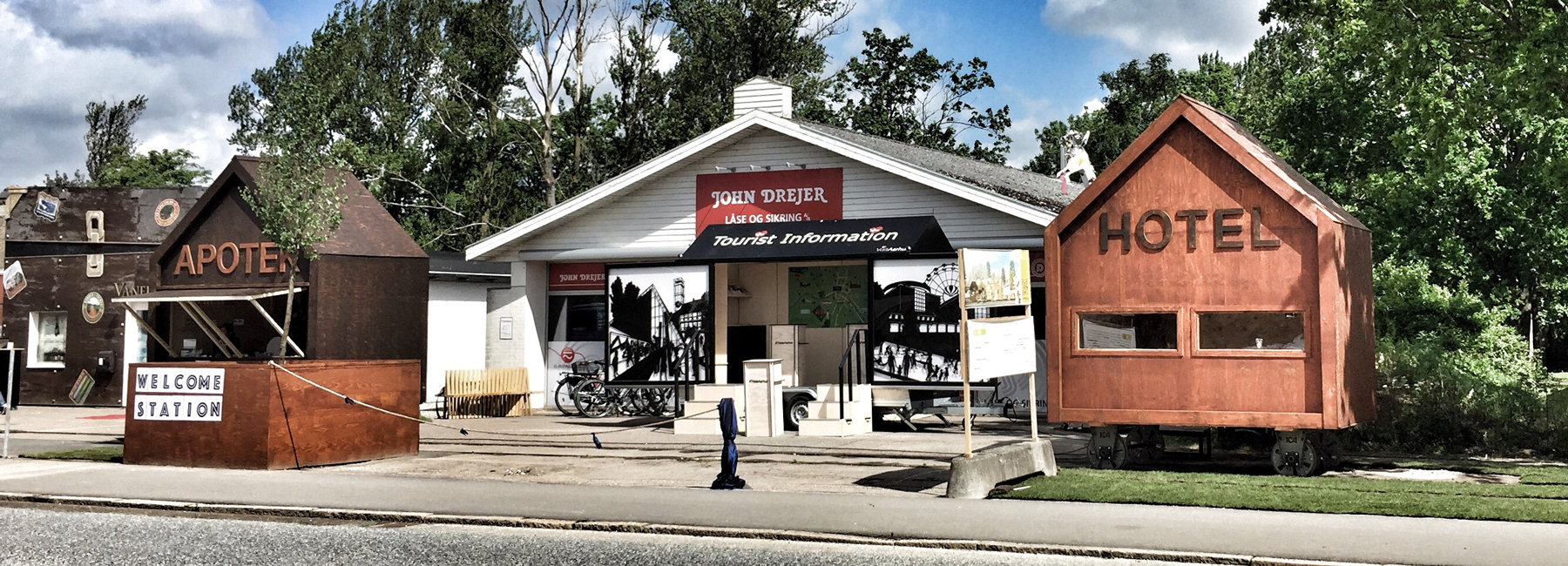
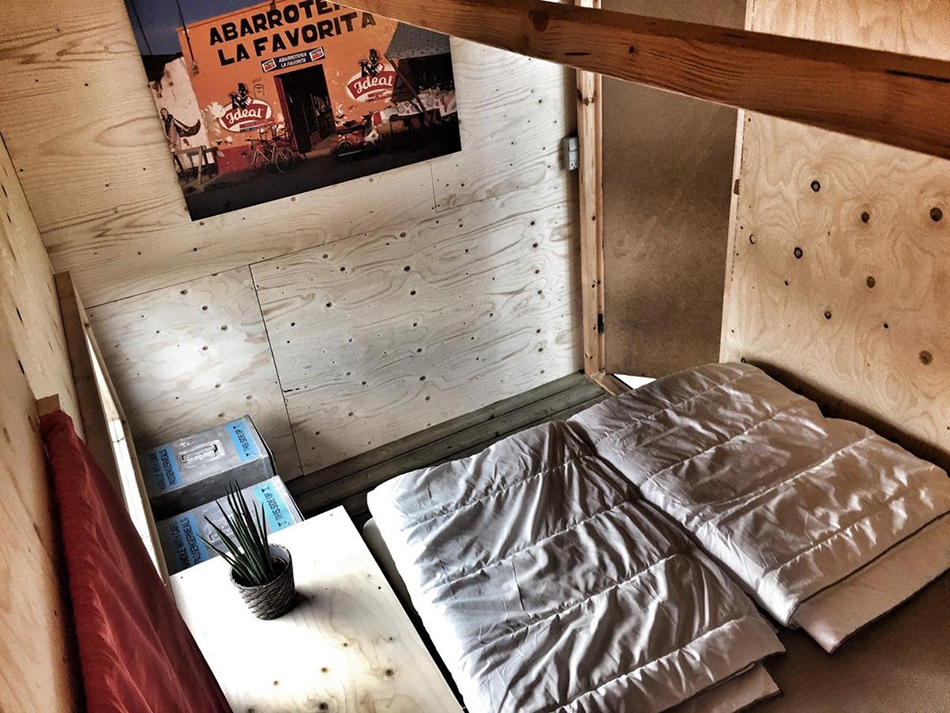
On the outskirts of Aarhus, Denmark’s second-largest city, a quiet stretch of unused railway has taken on a new life. Along the tracks, warm and compact timber cabins appear—resembling small alpine houses placed on railcars. Inside, some function as single-room lodging, others as shared greenhouses, and some are even planned as temporary voting stations.These movable cabins bring activity and warmth to long-silent industrial edges. Designed to be mobile, removable, and reusable, they can travel along the tracks and create short-term destinations across the city. This project is not a permanent build, but a spatial experiment that explores how cities can activate idle land in flexible ways.
From Industrial City to Cultural Hub
Aarhus was once a key port and industrial center in Denmark. Its outer districts were shaped by warehouses, rail yards, and processing facilities. As industries moved away, many rail lines and storage areas were left unused.In recent years, the city has shifted its focus toward culture, design, and sustainability. Former industrial zones are gradually turning into housing and public spaces. However, the time between planning approval and final construction often takes years. These waiting periods create opportunities for temporary projects that test ideas, engage people, and keep areas active.
Railway Carriages Reimagined Through Timber
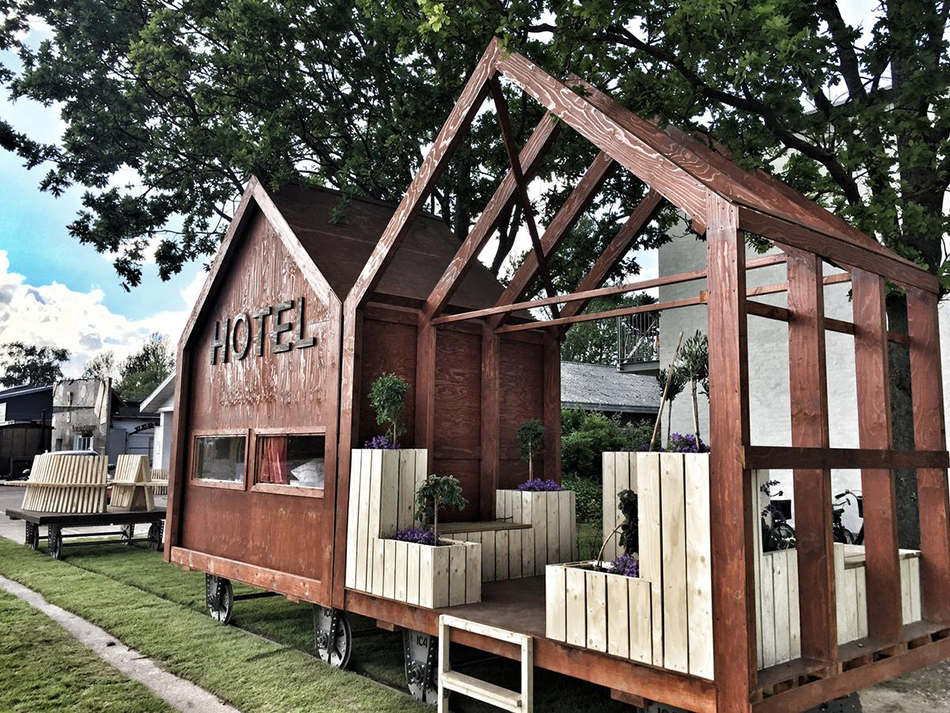
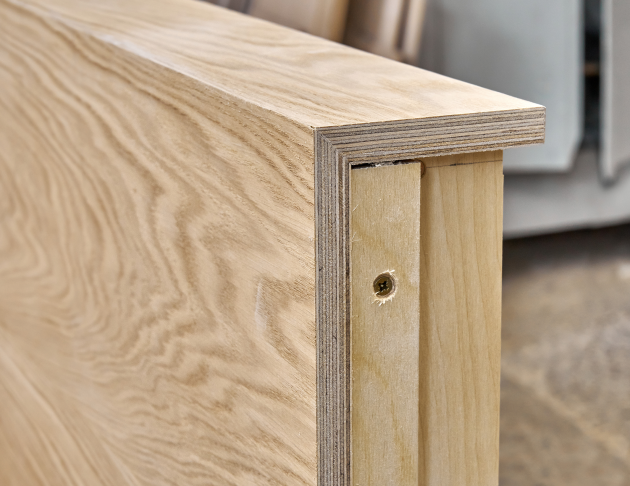
Danish architecture studio AART architects saw potential in these unused spaces. Instead of leaving the land idle, they proposed a new approach. Working with the non-profit organization Givisme, they placed timber railway cabins on tracks that had been unused for more than 36 years.Each cabin stands about 4.5 meters high and is built with a timber frame, finished with plywood and pine. The result is a compact, shop-like structure that balances strength, speed of construction, and flexibility. The modular design allows the cabins to be assembled quickly, moved easily, and taken apart when needed—ideal for short-term use.
Design Through Community Participation
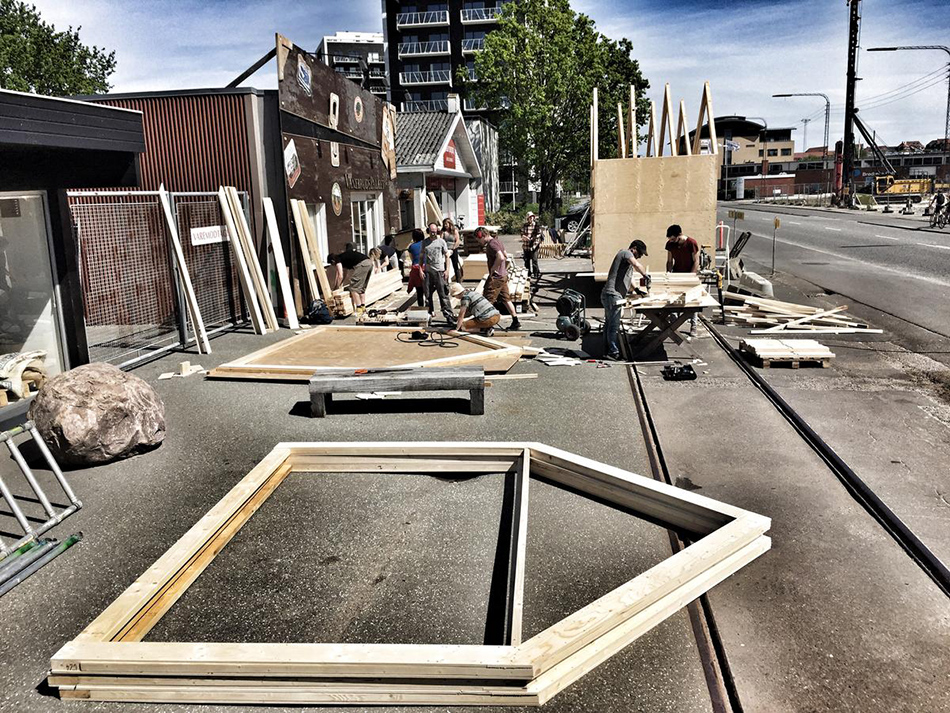
From design to construction, AART and Givisme invited people of different ages and backgrounds to take part in the building process. Working with wood became a shared activity that helped create social connections.Many of the materials were provided through cooperation between public institutions, design teams, and private companies, often at no cost. Timber was not only a building material, but also a tool for collaboration and public action.
As more people began using the cabins, their functions continued to grow. During music festivals, they became bars or pop-up service spaces. On regular days, they hosted markets, exhibitions, and social gatherings. These changing roles encourage new ways of thinking about how cities can grow and adapt.
The Aarhus mobile timber cabins show how creative wood use can shape the future of urban architecture.
Read More


Related Product

Source :
https://www.dezeen.com/2017/07/17/aart-pop-up-train-carriages-rejuvenate-old-railway-aarhus-architecture-urbanism-denmark/
https://www.trendhunter.com/trends/popup-train-carriages
https://www.designboom.com/architecture/aart-architects-pop-up-train-carriages-givisme-aarhus-denmark-08-06-2017/
https://www.designboom.com/architecture/aart-architects-pop-up-train-carriages-givisme-aarhus-denmark-08-06-2017/
https://www.everydayobject.us/train-carriage-turn-into-hotels/
https://www.ctee.com.tw/news/20200417700560-430601
https://www.cw.com.tw/article/5079222