


Where Shell and Wood Meet in Craft
Mother-of-pearl inlay is more than a decorative technique. It represents a long tradition of craftsmanship that blends natural materials with artistic skill.The soft glow created by shells and wood reflects a cultural heritage shaped by both the forest and the sea—one that deserves to be preserved and appreciated.
Contents :
1.A Craft with a Long History
2.The Art Behind Mother-of-Pearl
3.Visual Beauty and Material Balance
4.Mother-of-Pearl and Wood Marquetry
5.Preserving the Light of Forest and Sea
A Craft with a Long History
In the history of Eastern decorative arts, early examples of mother-of-pearl inlay can be traced back to objects found in Western Zhou dynasty tombs. By the Tang dynasty, the technique had become highly refined, supported by active cultural exchange between China and Japan. One well-known example is the Tang-period mother-of-pearl pipa preserved in Japan’s Shōsōin repository.During the Ming and Qing dynasties, the craft reached a peak of artistic expression. Artisans began combining shell inlay with materials such as jade and gemstones, creating richly ornamented objects.
Today, while the term “mother-of-pearl inlay” may not always be widely recognized, the luminous shell patterns often seen on fine wooden furniture remain familiar and admired.
The Art Behind Mother-of-Pearl
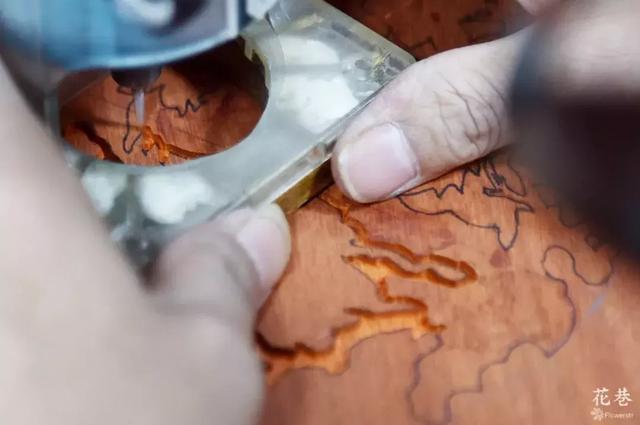
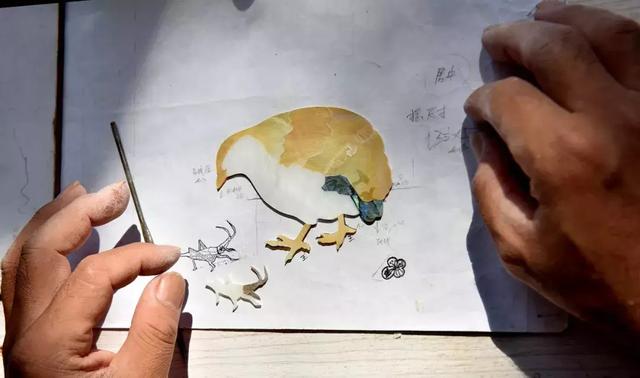
The term itself reflects the technique: “luo” refers to shell, and “dian” refers to inlay.In practice, artisans carefully cut and polish natural shells—including abalone, clams, and freshwater mussels—into thin pieces. These pieces are then inserted into lacquered or wooden surfaces according to detailed design patterns.
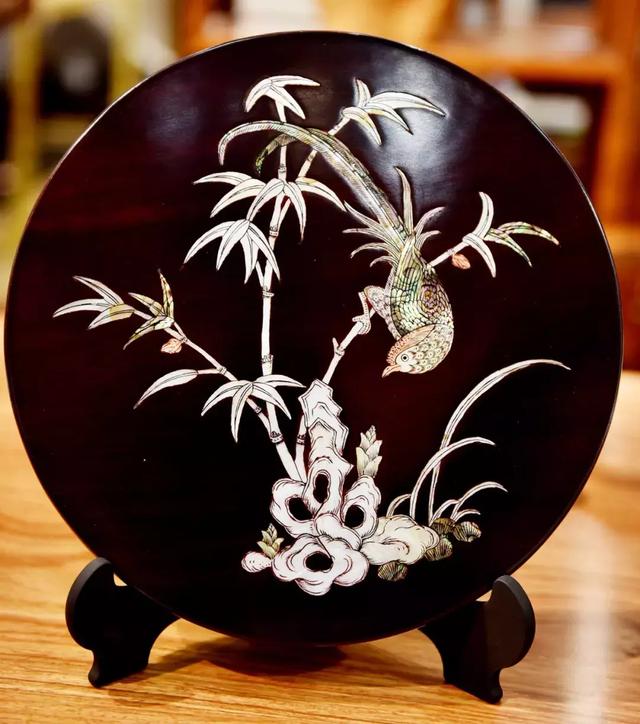
When light touches the surface, the shell reveals a soft iridescent glow.
Creating these works requires great patience and precision. Each step—from shaping the shell to embedding and finishing the surface—demands careful craftsmanship. As a result, every finished piece represents the combined work of natural materials and human skill.
Visual Beauty and Material Balance
Traditionally, pearl oyster shells were used to create a pure white appearance, often referred to as white mother-of-pearl.In more recent designs, artisans have begun using shells with different natural colors, producing what is known as colored mother-of-pearl.
From a distance, the designs resemble paintings. When viewed closely, the natural patterns of the shells appear to flow through the wood grain. This subtle interaction between materials gives the craft its unique character.
Mother-of-pearl inlay is not only about decoration; it is about harmony.
The soft warmth of wood contrasts with the shimmering surface of shell, creating a balanced visual experience that enhances both materials.
Mother-of-Pearl and Wood Marquetry
Mother-of-pearl inlay differs from wood marquetry, another decorative technique used in furniture making.Marquetry forms images by combining different types of wood, emphasizing variations in grain and color. Mother-of-pearl inlay, however, introduces shell materials to create natural iridescence and reflective detail.
Technically, the process requires careful preparation. Small gaps must be left during installation so the shell can adjust to the wood’s natural expansion and contraction. The surface is then polished repeatedly until it becomes smooth and even.
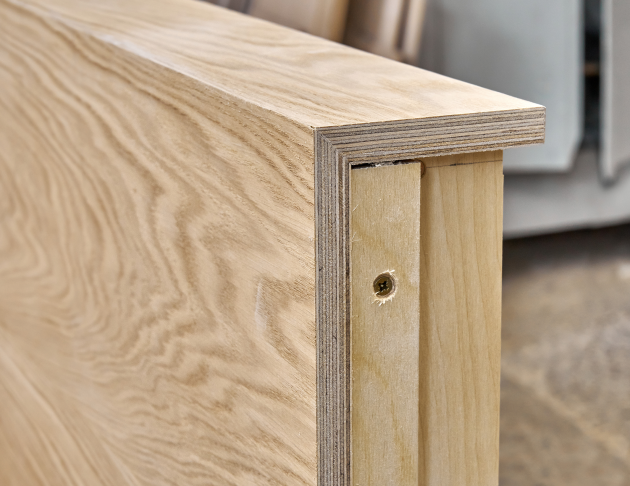
Because the craft brings together different materials, it requires careful control of wood stability and moisture content to ensure long-term durability.
Preserving the Light of Forest and Sea
Mother-of-pearl inlay is known for its elegance and timeless appeal. Yet the beauty of the craft also depends on the quality and stability of the wood used as its base.When the right materials and craftsmanship come together, the result is more than decoration—it becomes a lasting expression of culture, artistry, and the natural connection between forest and ocean.
Read More


Related Product

Source :
https://kknews.cc/culture/666yp8v.html
https://reurl.cc/Vmy4jZ
https://playing.ltn.com.tw/article/11528/1
https://m.cls.cn/detail/1200029