
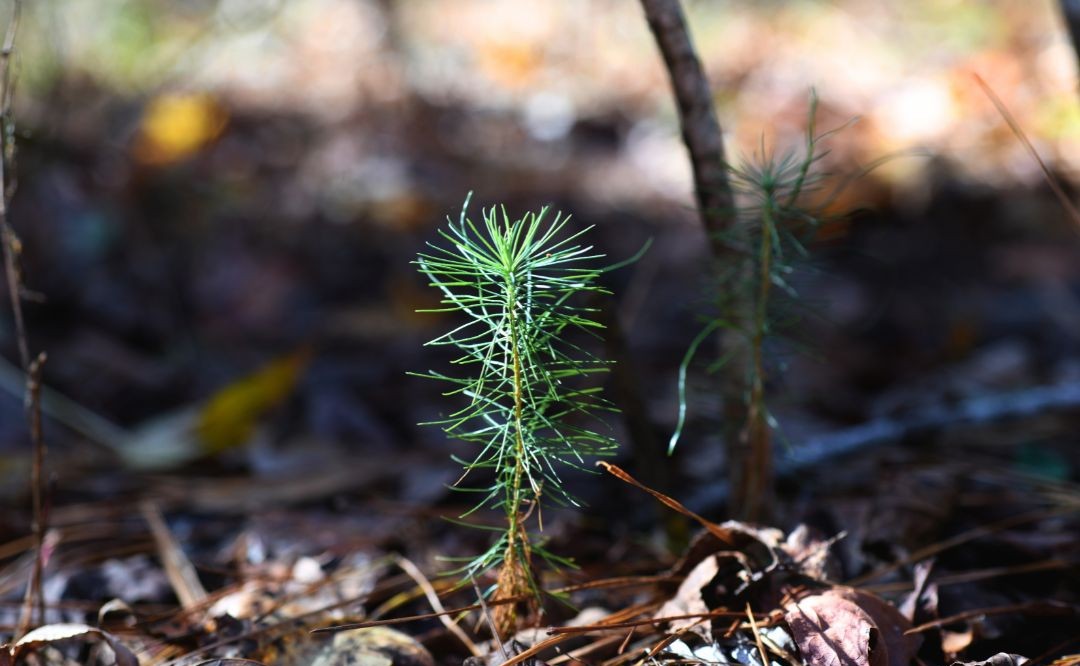
The growth of a single tree, the development of an entire forest, and a process that can take more than 30 years of planning.
Contents :
1. Logging or Sustainable Forestry?
2. The Rotation System in Forestry
3. Technology in Reforestation
4. Mechanized Tree Planting
5. The Environmental Benefits of Wood
6. A Sustainable Forestry System
Logging or Sustainable Forestry?
When forestry is mentioned, many people immediately imagine large-scale tree cutting. In some cases, logging is mistakenly viewed as environmental destruction. However, the reality of modern timber production is quite different.Today, a large portion of the world’s timber supply comes from commercial plantation forests—carefully managed ecosystems designed for sustainable production. These forests are planned according to climate conditions, soil characteristics, and long-term market needs.
Tree species are selected based on their suitability for the region, and different areas of land are managed systematically over time. Establishing a plantation forest is not a short-term project. Instead, it is a long-term investment that usually takes 20 to 30 years before trees reach harvest maturity.
The Rotation System in Forestry
A key principle behind sustainable forestry is the forest rotation system. Forest land is divided into several sections, with each section representing a different stage of tree development. Some areas contain newly planted seedlings, while others hold growing trees. Certain sections reach maturity and are ready for harvest. After trees are harvested, new trees are planted to begin the cycle again. This system can be compared to crop rotation in agriculture, although forest cycles operate on a much longer time scale. By maintaining this continuous cycle, forestry operations can ensure a stable timber supply while also protecting soil conditions and supporting ecological balance. In this way, forestry becomes part of a broader sustainable resource cycle.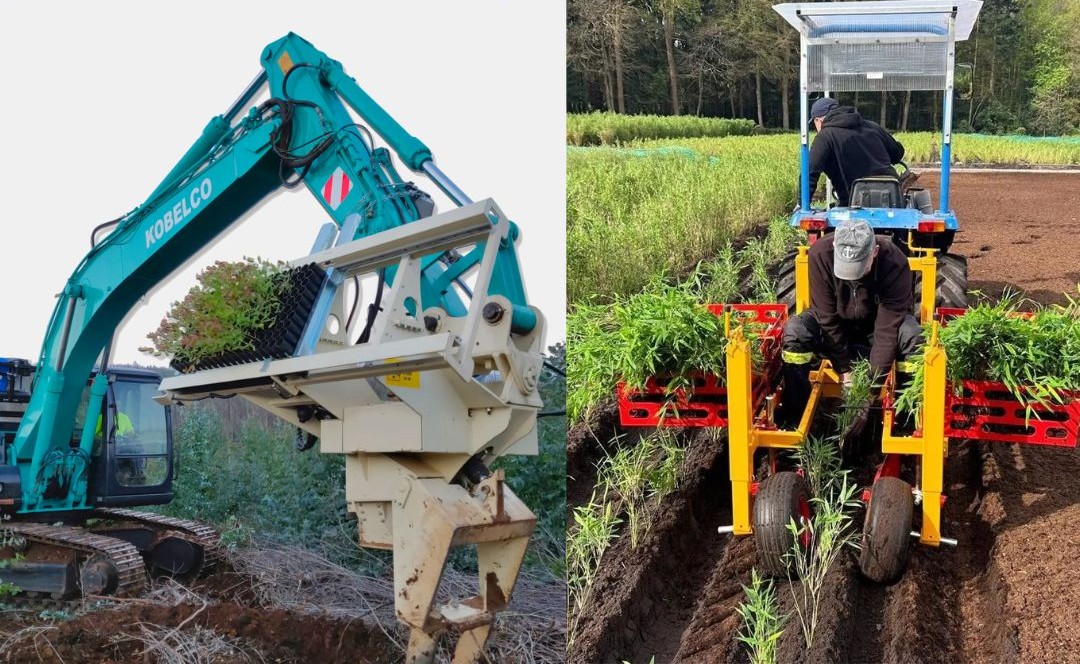
Technology in Reforestation
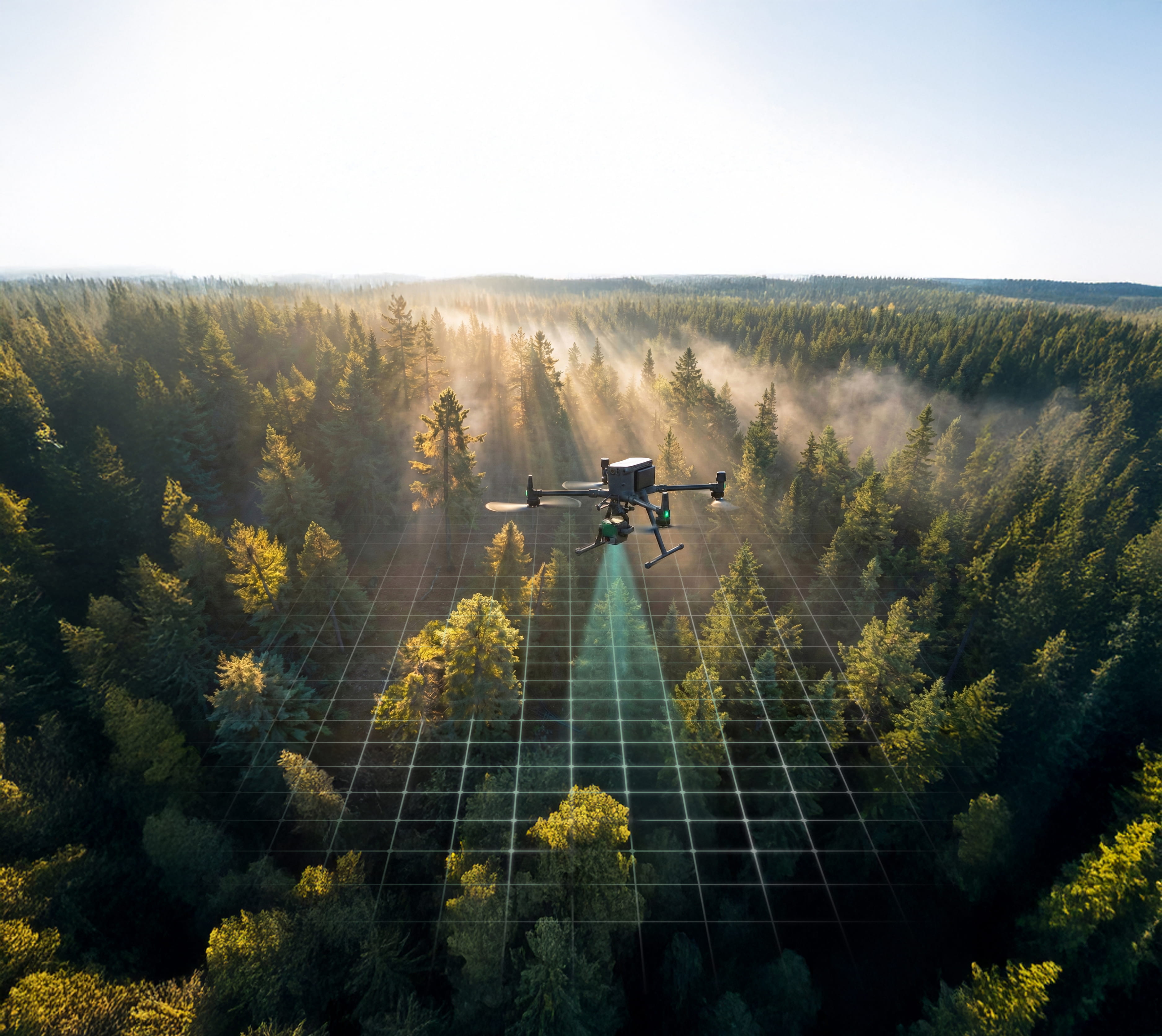
Globally, an estimated 70,000 square kilometers of forest are lost each year, making reforestation an increasingly important priority. Today, new technologies are helping improve the efficiency of large-scale tree planting.Some companies have developed drone-based planting systems that combine artificial intelligence with terrain analysis. These drones can distribute specially designed seed pods from the air with high precision.
A single drone is capable of planting more than 40,000 seeds per day, making the process approximately 25 times faster than traditional manual planting while reducing costs by up to 80 percent.
The seed pods used in these systems are carefully engineered. They contain nutrients, minerals, and beneficial microorganisms, along with protective coatings that improve germination success. Each planted seed can also be recorded using GPS, enabling long-term monitoring of tree growth and forest health.
Mechanized Tree Planting
In regions such as Northern Europe, mechanized tree planting has become a common forestry practice. Modern planting equipment attached to tractors can perform several tasks at once, including soil preparation, seedling placement, and soil compaction.Under favorable conditions, these machines can plant more than 40 seedlings per minute, allowing forestry operations to plant up to 150,000 trees within a single season.
The machines control planting depth and spacing with high precision, improving survival rates and making them ideal for large-scale reforestation projects. For more complex terrain, excavator-based planting systems are also used, and robotic technologies are currently being developed for planting in rugged landscapes.
The Environmental Benefits of Wood
Growing trees provide significant environmental value. During their growth, trees absorb carbon dioxide from the atmosphere, helping to reduce the effects of climate change.Even after trees are harvested and processed into wood products, the carbon remains stored within the material. This makes wood one of the few construction materials capable of long-term carbon storage.
Forest management can also follow international certification standards such as FSC (Forest Stewardship Council). FSC certification ensures that forests are managed legally and responsibly, taking environmental protection and social responsibility into account.
Choosing FSC-certified timber supports sustainable forestry practices and responsible sourcing.
A Sustainable Forestry System
Commercial forestry represents a long-term strategy for managing natural resources responsibly. With the integration of modern technology, data analysis, and sustainable management practices, the forestry industry continues to evolve.Read More

Related Product