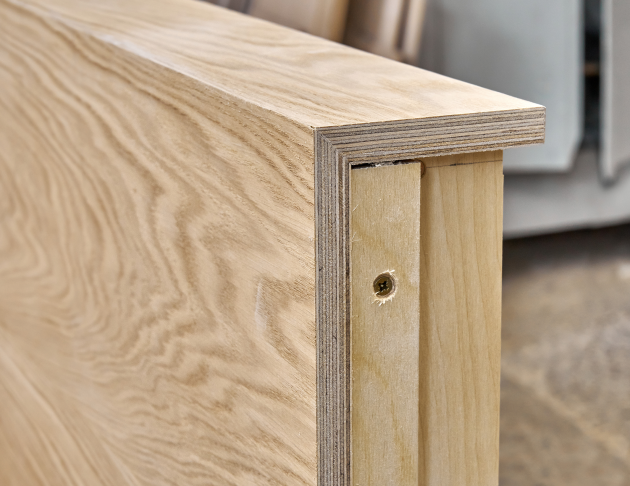
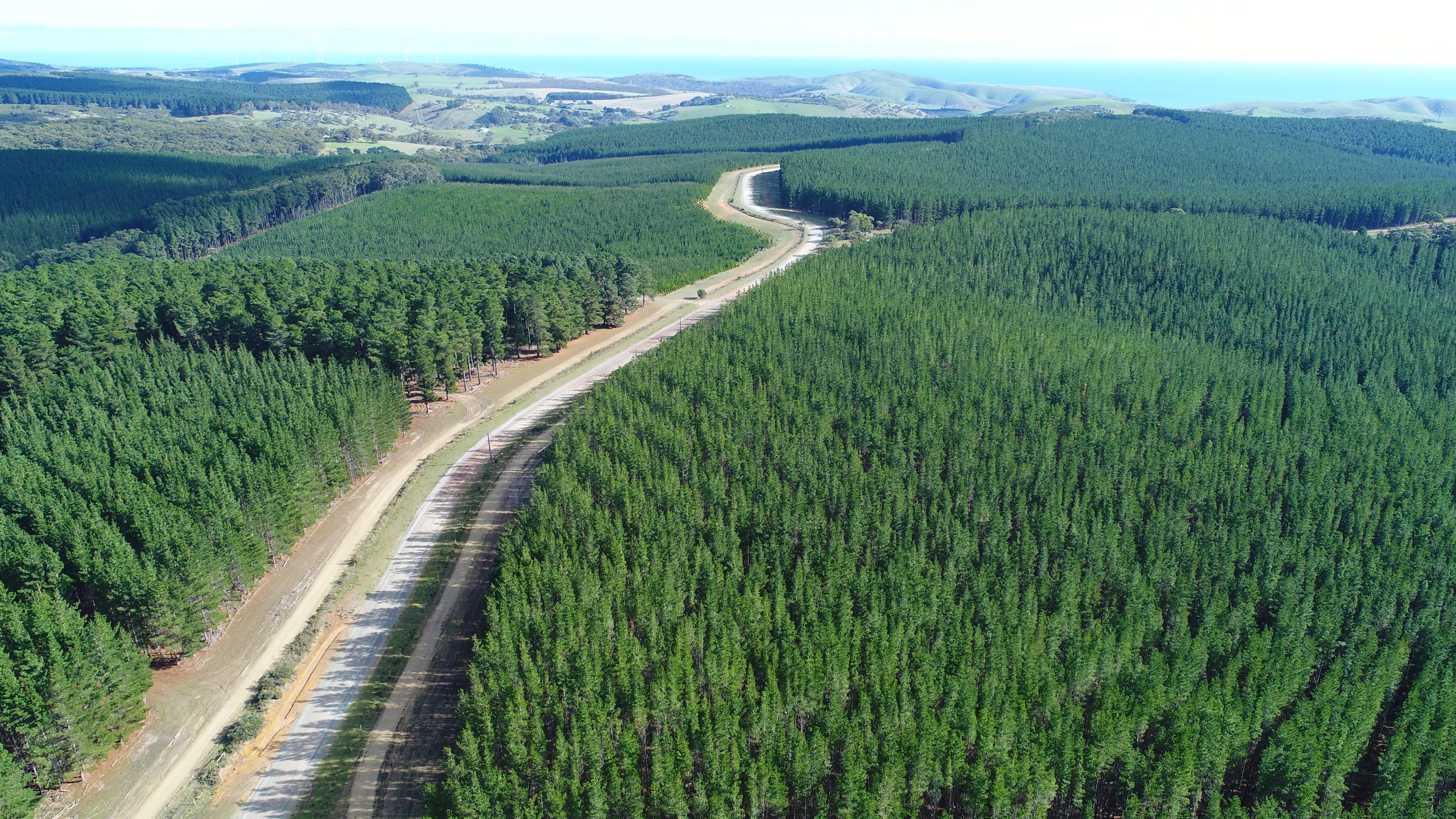
With planned cultivation and scientific management, forests can remain balanced while continuously supplying resources.
Contents :
1. Logging or Sustainable Planning?
2. The Revival of a Classic Train
3. The Modern Logging System
4. From Forest to Everyday Life
5. The Commercial Forest System
Logging or Responsible Forestry?
Sustainable forestry relies on a rotation-based system. This approach divides forest land into different sections, each representing a stage of growth—from newly planted areas to mature stands ready for harvest.After harvesting, the land is replanted, continuing the cycle. This method ensures that timber production remains consistent while forests are continuously renewed.
Unlike many industries, forestry operates on a long timeline. Each cycle can take several decades, reflecting the long-term nature of resource management.
A Modern Approach to Logging
Traditional images of logging often involve simple tools such as axes or chainsaws. In reality, today’s logging operations are highly mechanized and function as integrated systems.
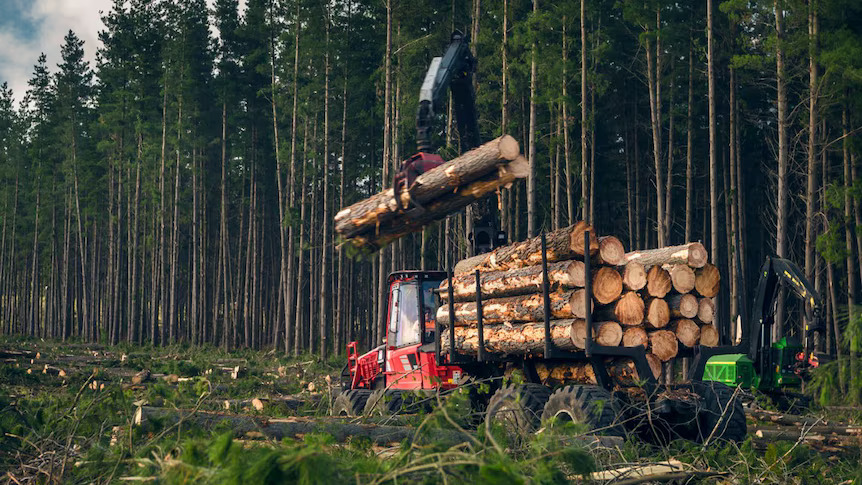
- Harvesting Machines: These machines use hydraulic arms to grip and cut trees accurately, while also controlling the direction in which they fall, improving safety and efficiency.
- Processing Equipment: Once trees are cut, processors remove branches and cut logs into standard sizes, preparing them for transportation and further use.
- Forwarding Equipment: Forwarders transport logs to collection points near forest roads, minimizing damage to the forest floor and reducing environmental impact.
In areas with steep terrain, cable systems are used to move logs without disturbing soil and water systems, helping preserve the surrounding ecosystem.
From Forests to Daily Use
After harvesting, logs are quickly transported to sawmills, where they are processed into various products such as construction materials, furniture components, and paper.
Governments around the world support plantation forestry not only to secure a stable timber supply but also because forests play a key role in absorbing carbon dioxide. As trees grow, they capture carbon from the atmosphere, contributing to efforts to reduce global warming.
This highlights an important point: forestry is not only a supply industry—it is also part of the global climate solution.
A Sustainable Wood Supply System
Using wood means participating in a long-term natural cycle. Even after timber is transformed into products, the carbon stored in the material continues to be retained.
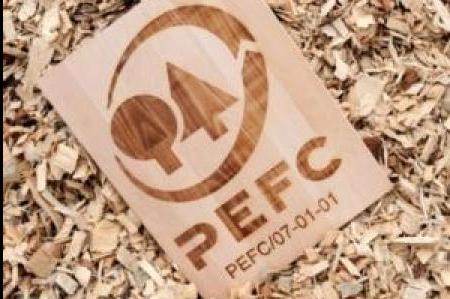
Choosing FSC-certified timber ensures that wood is sourced from responsibly managed forests that meet environmental and social standards.
At bestwood, we believe that quality material selection begins with responsible sourcing. We are more than a supplier—we act as your wood consultant and long-term partner.
From structural timber and decorative materials to specialized panels, from certified sustainable sources to custom sizing services, bestwood delivers reliable wood solutions tailored to your projects.
Read More
Related Product