
When forestry is managed as a long-term strategy, stability and quality are built into the material itself.
Contents :
1. A Country Focused on Forestry
2. A Structured and Reliable Supply System
3. Ideal Natural Growing Conditions
4. Understanding Uruguay Pine
5. Performance and Applications
6. Choosing the Right Timber Partner
A Country Focused on Forestry
In today’s timber market, reliability and consistency often matter more than price. Uruguay stands out as one of the few countries that has positioned forestry as a central part of its economic development.
Since the mid-1970s, the government has supported plantation forestry through policy incentives and long-term planning. After the late 1980s, the sector experienced rapid expansion. Over a few decades, forest coverage increased more than thirtyfold, reaching close to 950,000 hectares.
Plantation forests in Uruguay are typically managed using a 20–25 year rotation cycle. This structured approach allows for continuous harvesting and replanting, ensuring a stable and predictable timber supply.
In recent years, many plantations have reached maturity, enabling the country to produce over 4 million cubic meters of timber annually. This includes sawn wood, plywood, and engineered wood products.
With this level of output, Uruguay has become an increasingly important supplier in the global timber industry.
Ideal Natural Growing Conditions
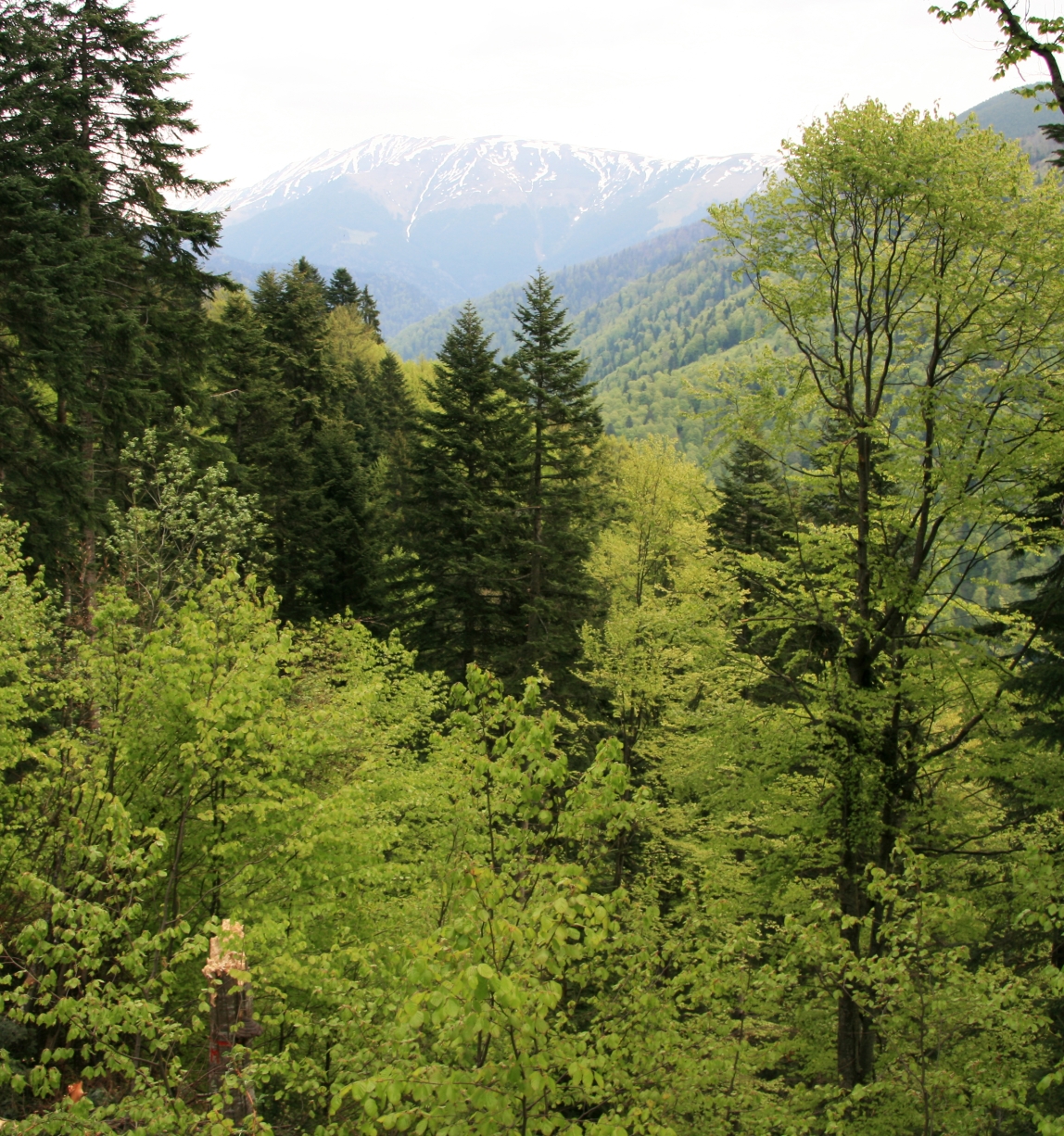
Uruguay is sometimes called the “Switzerland of South America,” reflecting both its stable economy and its favorable environment for forestry.
The country’s temperate climate—characterized by moderate seasonal changes, average winter temperatures of around 5°C, summer temperatures near 28°C, and annual rainfall of about 1,090 mm—creates excellent conditions for tree growth.
Combined with relatively flat terrain, these factors result in minimal environmental variation. Trees grow more evenly, producing timber with consistent quality and reliable performance.
Understanding Uruguay Pine
Uruguay Pine mainly comes from two species:
- • Slash Pine (Pinus elliottii)
- • Loblolly Pine (Pinus taeda)
Both species belong to the Southern Pine family, known for strength and durability. Under Uruguay’s controlled growing conditions, these natural qualities are further improved.
The timber typically has fewer knots and defects, offering enhanced structural strength, stiffness, and resistance to deformation. According to testing by the Building Research Establishment (BRE), Uruguay Pine is particularly suitable for light structural applications, delivering stable and dependable performance.
Performance and Applications
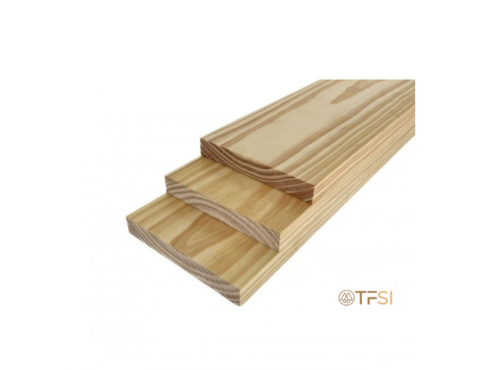
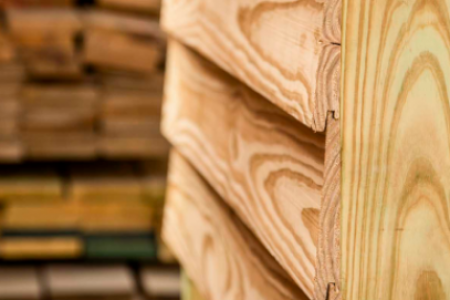
Uruguay Pine is characterized by a warm brown color and natural, flowing grain patterns. Its dense structure provides good bending strength and durability, often performing slightly better than standard pine materials.
The wood also contains natural elements that improve resistance to decay. Even in humid environments, it maintains stability. Its low moisture absorption further reduces the risk of warping.
These properties make Uruguay Pine suitable for a wide range of uses, including:
- • Furniture
- • Flooring
- • Interior finishing
Choosing the Right Timber Partner
Selecting the right wood requires a clear understanding of both material performance and project requirements.
At bestwood, we offer FSC-certified timber along with professional guidance and customized processing services. From structural materials and decorative wood to specialty panels, we provide complete solutions tailored to your needs.
Read More
Related Product