


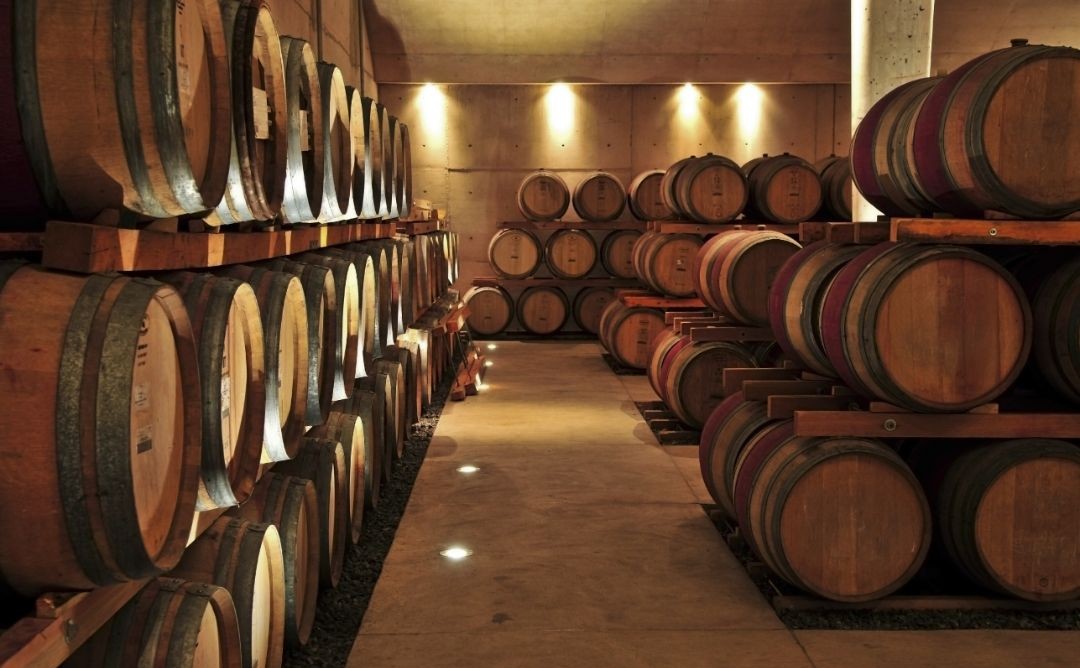
The connection between humans and alcoholic beverages goes back thousands of years. As early as ancient civilizations, people searched for better ways to store and transport wine.
In early Mesopotamia, palm wood was used to create barrel-like containers. However, due to its softness, low strength, and poor flexibility, it could not hold liquids effectively and often leaked. Clay vessels remained the main option, but they were heavy, fragile, and not suitable for long-distance trade.
Contents :
1. The Discovery of Oak
2. The Challenge of Finding the Right Wood
3. Why Oak Became the Standard
4. White Oak (Quercus alba)
5. Red Oak (Quercus rubra)
The Discovery of Oak
Around 2,000 years ago, during the Roman era, oak barrels became widely used. The Romans realized that oak was not only strong and durable but also contributed to the taste of wine.As wine aged inside oak barrels, its flavor became smoother and more balanced. From that point on, barrels were no longer just storage containers—they became a key part of the aging process and craftsmanship.
The Challenge of Finding the Right Wood
Before oak was widely adopted, many types of wood were tested. However, very few met the strict requirements needed for barrel-making.
An ideal barrel material must be:
- • Widely available
- • Flexible enough to bend into shape
- • Airtight to prevent leakage
- • Neutral in aroma, so it does not overpower the liquid
Only a small number of wood species can satisfy all of these conditions.
Why Oak Became the Standard
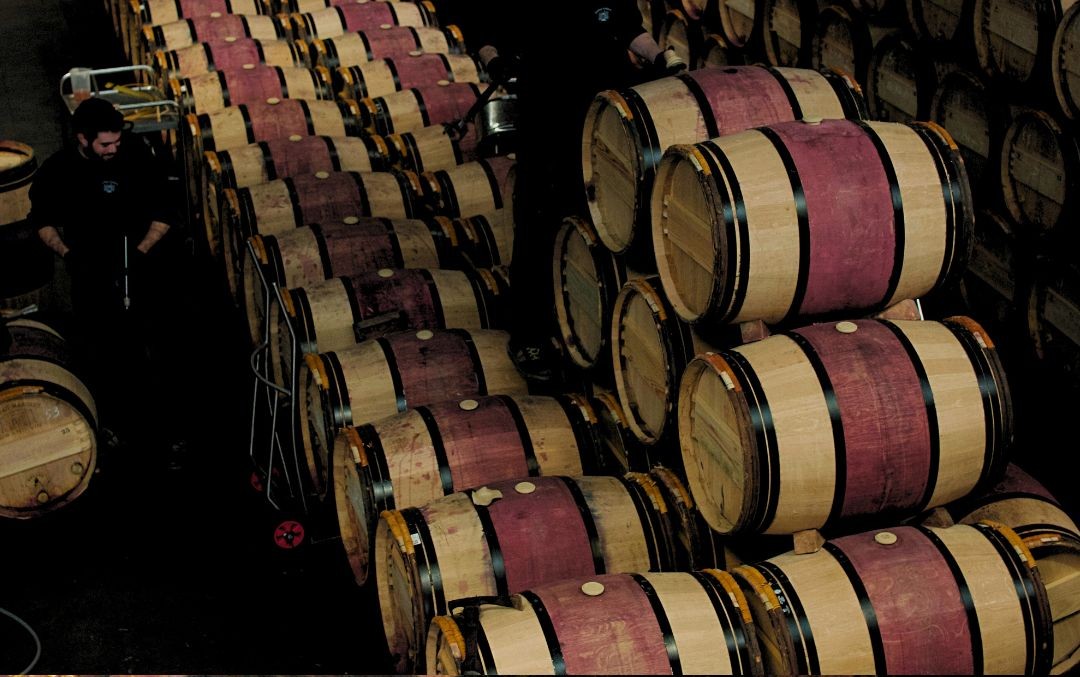
Oak proved to be the most suitable material. Its internal structure contains natural compounds such as tannins and lignin, which interact with the liquid during aging.
These compounds gradually release flavors such as vanilla, caramel, and toasted notes, enhancing the complexity of the beverage.
Oak is generally divided into two main types—white oak and red oak. While closely related, their structural differences result in distinct performance during aging.
White Oak (Quercus alba)
White oak grows relatively quickly and has a tight grain with small pores. This structure provides excellent airtightness, reducing leakage and allowing controlled interaction between the liquid and the wood.
It produces soft and refined flavors, including:
Red Oak (Quercus rubra)
Red oak grows more slowly and has a more open grain with larger pores. This makes it less airtight, allowing more air exchange during aging.
It produces soft and refined flavors, including:
This higher level of oxygen interaction accelerates tannin development and softens the texture of the beverage.
Red oak is commonly used for sherry and certain types of whisky, where stronger, more oxidative flavor profiles are desired, such as:
- • Caramel
- • Dried fruit
- • Subtle leathery notes
The qualities of oak—its strength, stability, and natural beauty—make it suitable not only for barrels but also for applications such as architecture, flooring, and furniture.
At bestwood, we believe that every wood species has its ideal use. By understanding material characteristics, we can match the right wood to the right application.
The story of oak barrels reminds us that wood is more than a raw material. It carries history, culture, and time—shaping both function and experience.
Read More
Related Product

Source :
https://ch-9.net/article/RZoof04VNp
https://www.p9.com.tw/forum/forumtopic.aspx?id=34109
https://www.jiuq.com/article.php?id=25069
https://www.winentaste.com/magazine/special_cite_oak
https://www.winentaste.com/magazine/special_aaron_wine_oak_barrel