

A Premium African Hardwood for Demanding Environments
A deep-toned hardwood formed over decades, engineered by nature to perform from structural to marine applications.
Contents :
1. Origin and Appearance
2. Strength and Reliability in Performance
3. Built for Extreme Conditions
4. Processing Considerations
5. Choosing the Right Timber Partner
Origin and Appearance
Mukulungu, commonly known as African Red Cherry, grows in the semi-deciduous forests of Central and West Africa. These trees develop slowly over many decades, reaching impressive sizes of up to 50 meters in height and 2 meters in diameter.
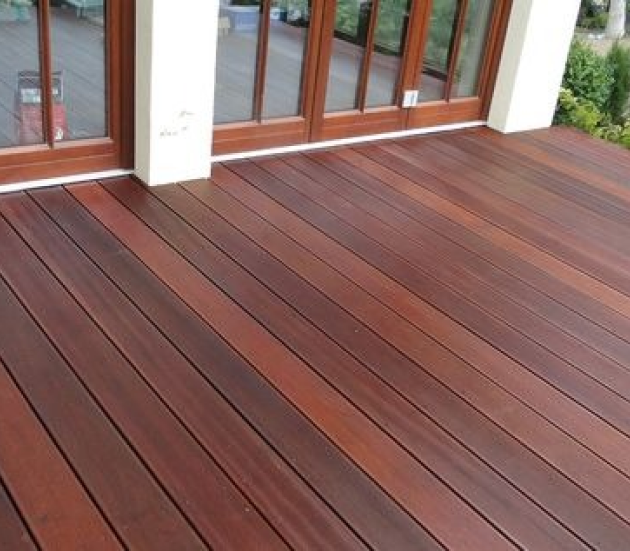
The region’s humid climate and fertile soil create ideal growing conditions. As a result, the wood develops a rich red-brown heartwood with subtle dark streaks. When finished, the surface reveals a smooth, slightly oily luster that gives it a refined and high-end appearance.
Mukulungu is a high-density hardwood with a compact structure and excellent mechanical strength. It is highly resistant to breakage and performs reliably under heavy loads.
Beyond its appearance, its key value lies in its durability and stability. It naturally resists decay, chemical exposure, and insect attack, making it well suited for challenging environments.
Typical applications include:
- • Bridges and pedestrian walkways
- • Railway sleepers
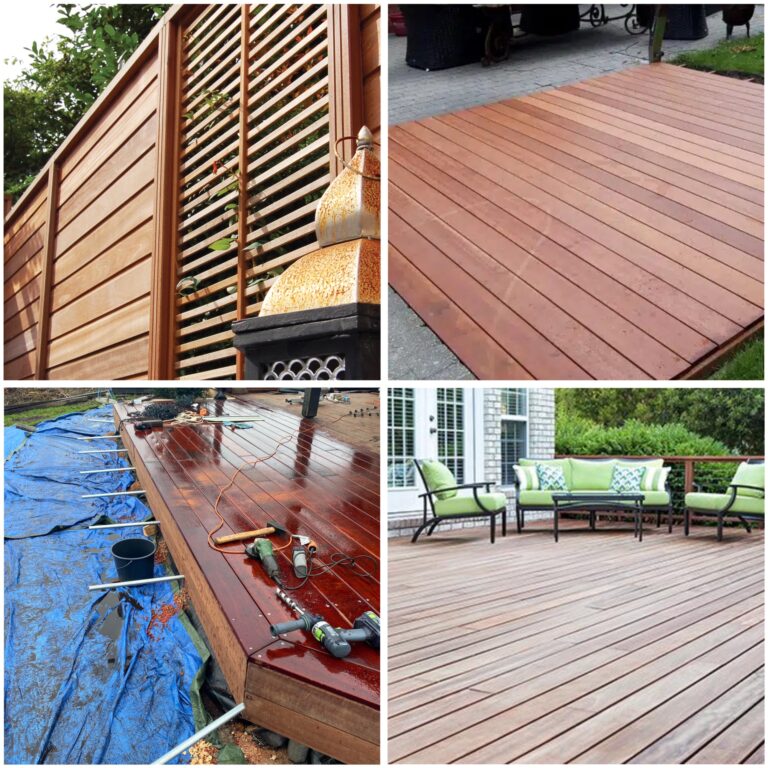
- • Structural elements such as stairs and flooring
These properties make Mukulungu a trusted material for both structural and outdoor use.
Built for Extreme Conditions
Timber durability is often classified based on environmental exposure. Under the European standard EN 335, materials are grouped from Class 1 (low exposure) to Class 5 (extreme conditions).
Mukulungu is rated as Durability Class 5, meaning it can withstand severe conditions such as constant moisture, biological attack, and long-term environmental stress.
Because of this, it is widely used in marine and coastal construction, including ports, waterfront structures, and applications involving direct contact with soil or water.
Processing Considerations
Due to its density and hardness, Mukulungu requires proper handling during processing and installation. Pre-drilling is typically necessary to reduce the risk of splitting during fastening.
Controlled drying and accurate dimensional processing are also essential. Without proper preparation, even high-quality timber may face performance issues over time.
This highlights the importance of working with experienced suppliers who understand both the material and its application.
Choosing the Right Timber Partner
High-performance wood materials require strict standards—from sourcing and legality to drying methods and machining techniques. Each stage directly affects the final quality and performance.
At bestwood, we provide FSC-certified timber along with professional material consultation and customized processing solutions.
From structural timber to decorative materials and specialty panels, we deliver reliable wood solutions tailored to your projects.
Read More
Related Product

References:
https://www.bestwood.com/product_d.php?lang=tw&tb=1&id=587&tab=1087
https://www.hfwood.com.tw/index.php/autranella-congolensis/
https://k-timbers.com/product/mukulungu/
https://www.sangiorgilegnami.com/en/project/mukulungu/
https://www.felixwood.com/decks/afrikulu-decking/
https://hupkeswijma.com/en/timber-species/mukulungu