


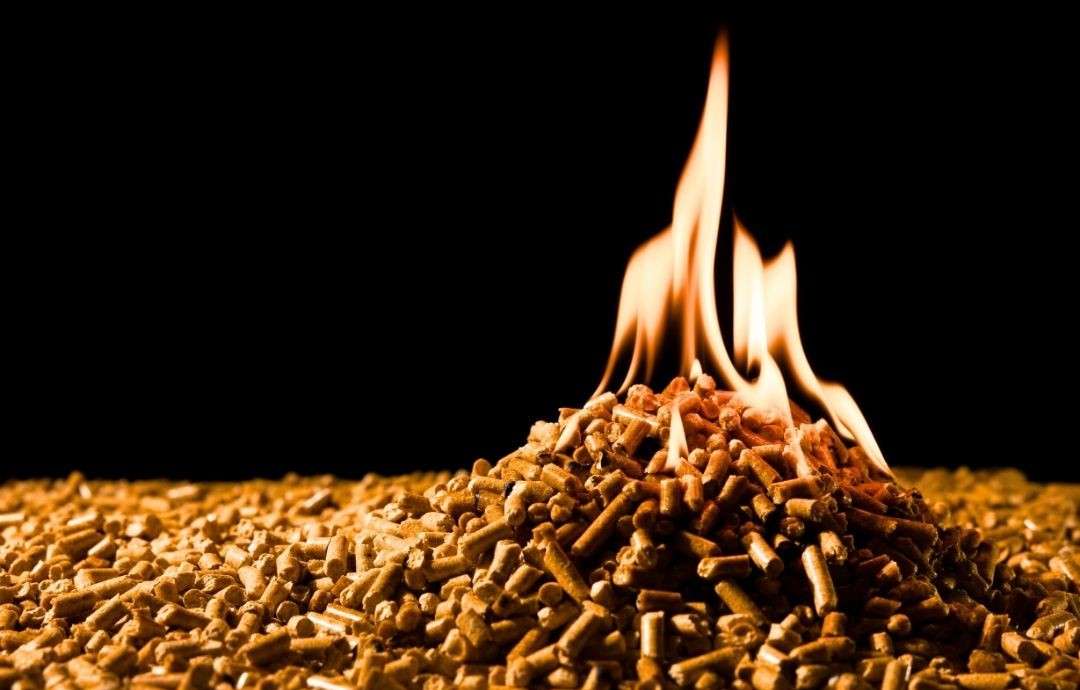
When wood waste is managed correctly, it becomes a renewable source of energy rather than a discarded resource.
Contents :
1. An Energy Source Rooted in History
2. Reusing Wood Resources Efficiently
3. Wood Pellets: Compact and Efficient Fuel
4. Is Wood Biomass Truly Sustainable?
5. The Role of Responsible Forestry
An Energy Source Rooted in History
When people think of renewable energy, solar panels and wind turbines often come to mind. However, one of the oldest and most fundamental energy sources is wood biomass.Biomass energy comes from organic materials such as wood, agricultural by-products, and food waste. These materials can be converted into usable energy, including heat and electricity.
Long before modern technology, wood was already used as a primary fuel. Today, although the systems have become more advanced, the core principle remains the same—transforming natural materials into energy.
Reusing Wood Resources Efficiently
Wood is one of the most important biomass resources due to its stable combustion and relatively high energy output.
Importantly, biomass energy does not rely on cutting trees solely for fuel. Instead, it focuses on utilizing by-products and waste materials from existing processes.
Typical sources include:
- Residual wood from sawmills and manufacturing
- Wood chips and sawdust
- Pruned branches and thinning materials from forest maintenance
These materials are processed into fuel products such as wood pellets, which are widely used in heating systems, industrial boilers, and power generation.
Wood Pellets: Compact and Efficient Fuel
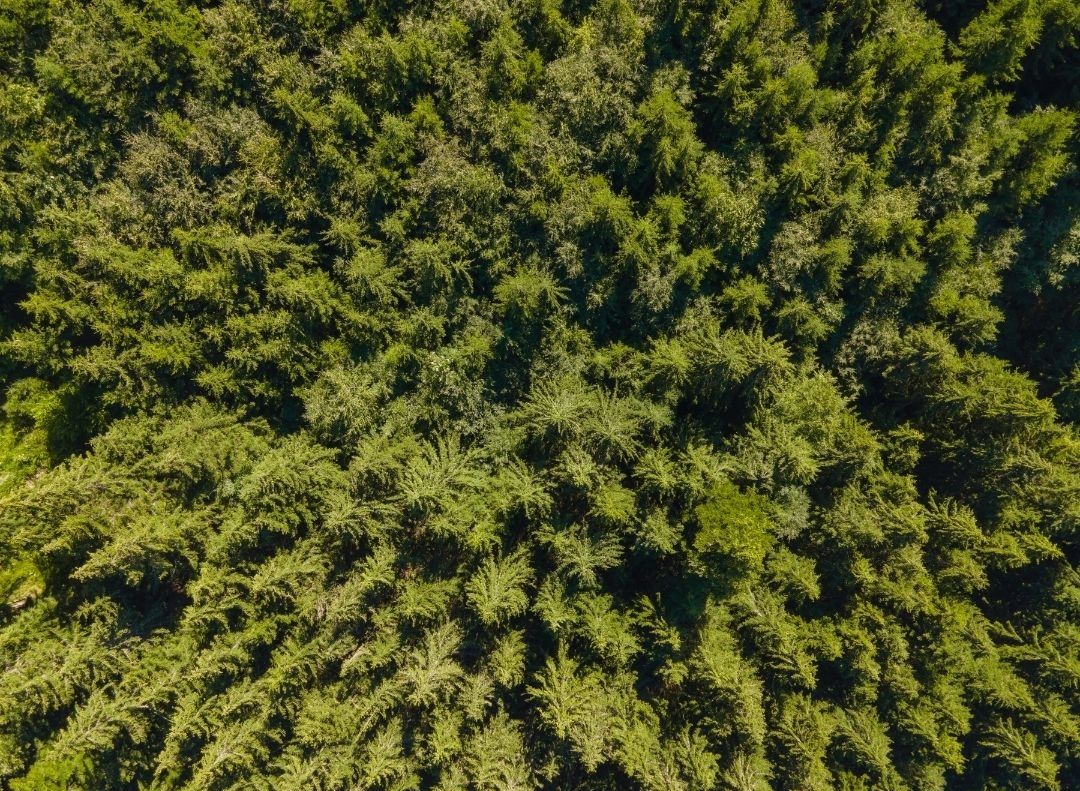
Wood pellets are one of the most common forms of biomass fuel. Though small in size, they offer high efficiency and consistent performance.
They are produced by compressing dried wood particles under high pressure, creating dense and uniform pellets. This improves handling, storage, and transportation compared to loose materials.
In practical use, pellet-based systems can reach combustion efficiencies of around 80–85%, making them a reliable energy solution. Instead of being wasted, wood residues are transformed into valuable fuel.
Is Wood Biomass Truly Sustainable?
There is ongoing discussion about whether burning wood can be considered environmentally friendly, as it releases carbon dioxide during combustion.
The key difference lies in the renewable carbon cycle. Trees absorb carbon dioxide as they grow, storing carbon within their structure. When the wood is later used as fuel, the released carbon is part of this natural cycle.
With responsible forest management—including replanting and regeneration—this process can achieve a near carbon-neutral balance over time.
These systems capture key characteristics such as diameter, curvature, and surface conditions. When combined with X-ray scanning, internal features like knots, cracks, and density variations can also be detected.
The Role of Responsible Forestry
While biomass energy offers clear benefits, it also requires proper management. Challenges include:
- Supply chain and material collection
- Moisture control and processing
- Transportation costs
- Energy conversion efficiency
- Investment in equipment and infrastructure
- Compliance with sustainability standards
Without clear guidelines, biomass energy can be misapplied. Its true value depends on being supported by sustainable forestry practices, including controlled harvesting, reforestation, and environmental certification systems.
Wood as Part of a Circular Economy
Wood should not be seen as a one-time resource, but as part of a continuous cycle of use and reuse.
Beyond construction and furniture, wood can be repurposed multiple times, eventually becoming a source of renewable energy. This approach maximizes resource efficiency while reducing waste.
At bestwood, we believe that responsible material selection begins at the source. We are more than a supplier—we are your wood consultant and long-term partner.
From structural timber and decorative materials to specialty panels, from FSC-certified wood to custom processing solutions, bestwood delivers reliable and sustainable wood solutions.
This shift marks a significant change in the industry—from focusing on output volume to focusing on value optimization. Each cut is now based on precise calculations rather than estimation.
Read More

Related Product


Source :
https://www.bioeconomy.tw/wp-content/uploads/2023/01/07%E8%87%BA%E7%81%A3%E6%98%AF%E5%90%A6%E5%85%B7%E5%82%99%E7%99%BC%E5%B1%95%E6%9C%A8%E8%B3%AA%E8%83%BD%E6%BA%90%E4%B9%8B%E6%BD%9B%E5%8A%9B%EF%BC%9F.pdf
https://www.wel.com.tw/bioenergy http://iwrp.muga.org.tw/news_detail.php?lcID=3&cID=0&Key=325
https://www.bnext.com.tw/article/74882/clean-energy-biomass
https://www.cw.com.tw/article/5123850
https://depositphotos.com/cn/photo/sawmill-process-of-machining-logs-in-equipment-sawmill-machine-saw-saws-the-tree-trunk-on-563896238.html
https://yd-tw.com/industrialpellets/