


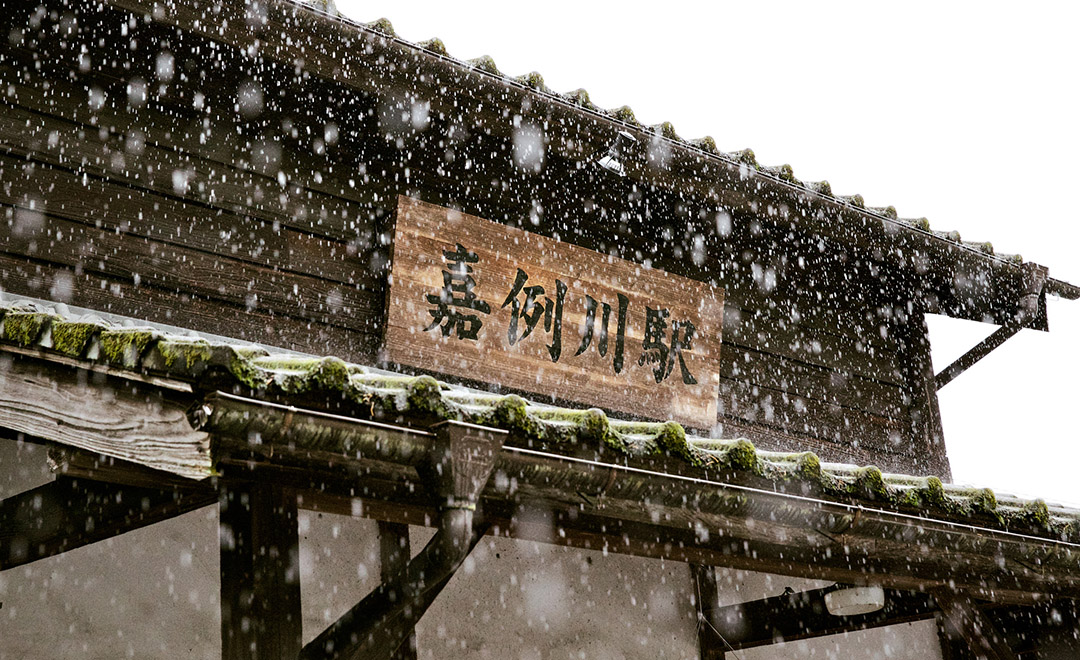
Kareigawa Station | The Enduring Beauty of a Wooden Railway Station
More than a century later, this wooden station still tells the story of timber, craftsmanship, and time.
Contents :
1. A Wooden Station Hidden in the Mountains
2. Hinoki: Japan’s Traditional Architectural Timber
3. Traditional Joinery and Japanese Craftsmanship
4. What Modern Design Can Learn From Kareigawa Station
5. Timber as a Long-Term Sustainable Material
6. TFSI | Professional Timber Solutions
A Wooden Station Hidden in the Mountains
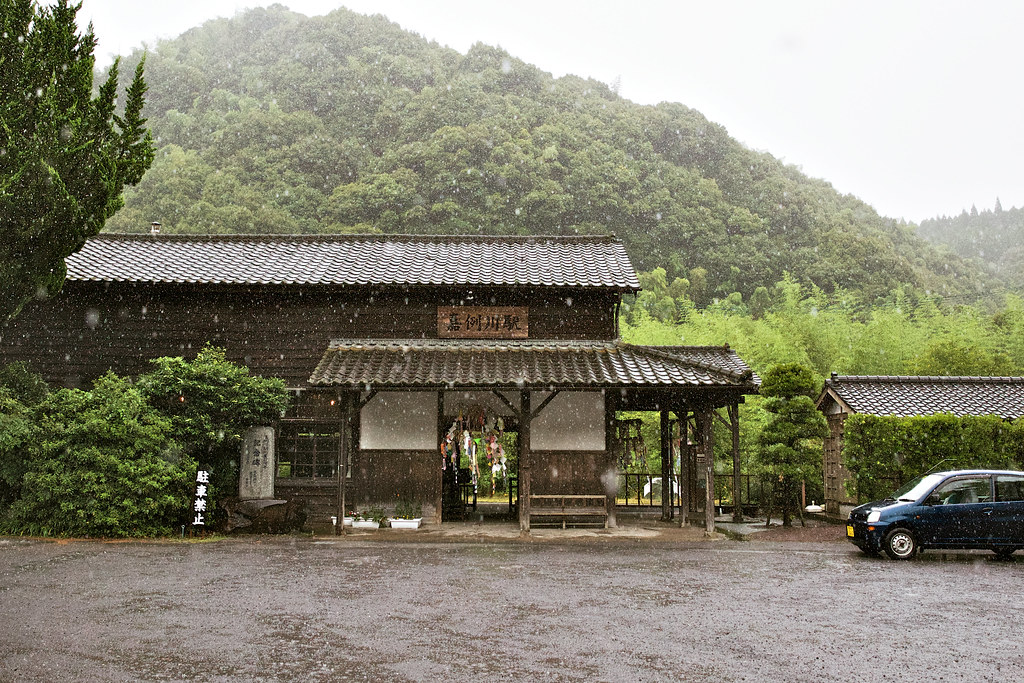
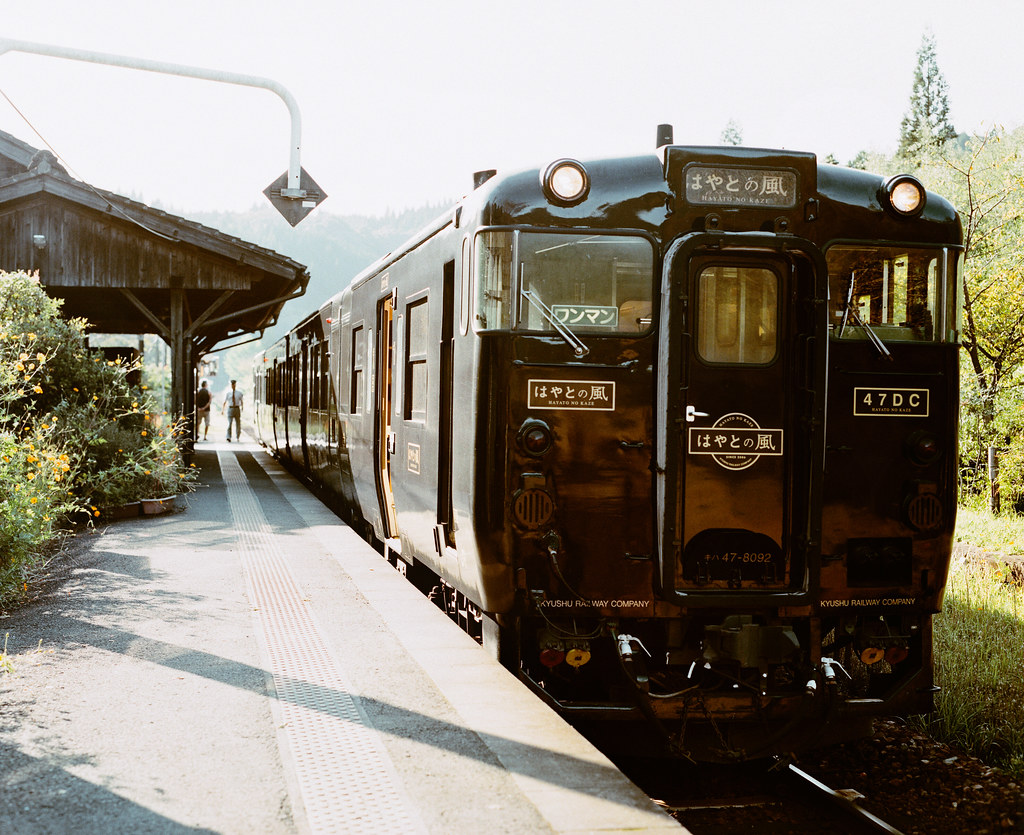
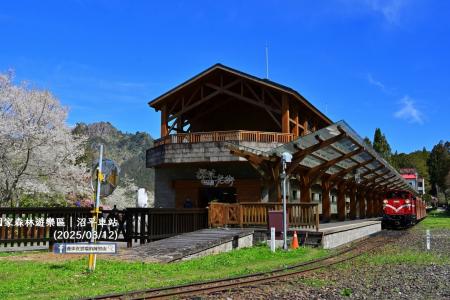
Deep within the mountain landscape of Kagoshima, Japan, Kareigawa Station quietly remains along the JR Hisatsu Line. Opened in 1903, it is one of the oldest surviving wooden railway stations in the region.
Unlike modern transportation hubs filled with screens and automated systems, Kareigawa Station preserves a slower rhythm of time. The original wooden waiting room, ticket office, and timber-framed windows remain largely unchanged. As sunlight moves across the aged wood surfaces, the station reveals the natural warmth and texture that only timber can create.
More than 100 years later, the building still stands strong—showing how wood, when properly selected and maintained, can continue to age with dignity and beauty.
Hinoki: Japan’s Traditional Architectural Timber
One of the key reasons for the station’s longevity is the use of Hinoki (Chamaecyparis obtusa), a highly valued Japanese cypress species traditionally used in architecture.
Native to Japan, especially in regions such as Honshu and Shikoku, Hinoki is known for:
- • Fine and straight grain
- • Lightweight yet stable structure
- • Natural fragrance
- • Excellent resistance to moisture, insects, and decay
Traditional Joinery and Japanese Craftsmanship
The preservation of Kareigawa Station also reflects the importance of traditional Japanese woodworking techniques. During restoration work, craftsmen continue to use traditional timber joinery methods instead of relying entirely on metal fasteners. These wooden joints allow the structure to naturally expand and contract with temperature and humidity changes, helping the building adapt to its environment over time.
When repairs are required, artisans carefully select matching wood species and shape each replacement piece by hand. The result is a seamless connection between old and new materials, preserving both the structure and the craftsmanship behind it.
This careful attention to detail is one of the reasons Japanese wooden architecture has remained respected around the world.
What Modern Design Can Learn From Kareigawa Station
Kareigawa Station demonstrates that the durability of timber depends not only on the material itself, but also on proper design, construction, and long-term maintenance.
A wooden structure can survive for generations when the right species is selected for the right purpose.
This principle continues to apply in modern architecture and interior design today:
- • Stable species for flooring
- • Moisture-resistant wood for bathrooms and spa areas
- • Durable timber for public spaces and commercial interiors
- • Fine-grain materials for furniture and decorative applications
Hinoki, for example, remains a preferred material for interior wall panels, bath tubs, ceilings, and wellness spaces because of its dimensional stability and calming natural aroma.
Understanding timber beyond appearance is what allows wood to reach its full value.
Timber as a Long-Term Sustainable Material
As architecture increasingly moves toward low-carbon and renewable materials, timber continues to gain attention as a sustainable building solution.
Kareigawa Station reminds us that wood is not temporary. With responsible forestry, proper material selection, and skilled craftsmanship, timber structures can last for more than a century while continuing to store carbon and reduce environmental impact.
The beauty of wood is not only found in the moment a building is completed—but also in how it ages naturally over time.
TFSI | Professional Timber Solutions
At TFSI, we believe that every successful project begins with understanding the character of wood. From structural timber and decorative materials to FSC-certified products and custom processing solutions, we help clients select the right timber for long-term performance and design value.
Wood is more than a material—it is a connection between architecture, craftsmanship, and sustainability.
Read More
Related Product
Reference:
https://www.uniquehomes.com.tw/modules/tad_discuss/discuss.php?DiscussID=1031&BoardID=8
http://cwcba-wqac.org.tw/forest-tech/index.php?action=resources-detail&id=67
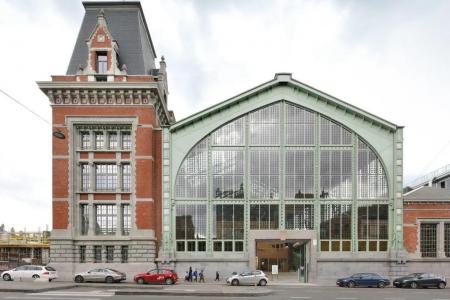
https://forgemind.net/media/%E6%AF%94%E5%88%A9%E6%99%82%E8%80%81%E8%BB%8A%E7%AB%99%E6%94%B9%E9%80%A0-gare-maritime-%E5%B7%A5%E4%BD%9C%E7%A9%BA%E9%96%93-neutelings-riedijkbureau-bouwtechniek/