


Rooted in Japanese history for thousands of years, Japanese Cedar combines natural beauty, durability, and cultural significance in a single species.
Contents :
1. A Tree Intertwined with Japanese Heritage
2. Characteristics and Applications of Japanese Cedar
3. A Traditional Favorite in Japanese Architecture
4. Benefits Beyond Construction
5. The Preferred Wood for Traditional Sake Barrels
6. Sustainable Timber Solutions with TFSI
A Tree Intertwined with Japanese Heritage
Japanese Cedar, commonly known as Sugi (Cryptomeria japonica), has been part of Japan's landscape for more than four millennia. With its towering height, straight trunk, and rich reddish-brown heartwood, it has become one of the country's most recognizable and valued tree species.
Its elegant grain, pleasant aroma, and long lifespan have made it a symbol of endurance and harmony with nature. Across Japan, Sugi forests have supported communities, architecture, and traditional craftsmanship for generations.
Walk through historic temples, shrines, or traditional wooden buildings, and there is a good chance that Japanese Cedar has played a role in their construction. The wood's natural beauty and lasting performance have helped preserve these structures for centuries.
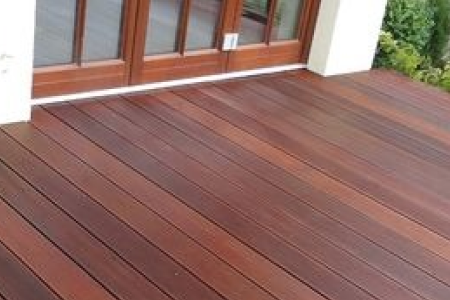
One of the defining features of Japanese Cedar is its distinct growth rings and attractive grain pattern. The contrast between its pale sapwood and reddish heartwood creates a warm and natural appearance that is highly valued in both traditional and modern design.
Japanese Cedar is widely used in:
- • Structural timber and framing
- • Beams and columns
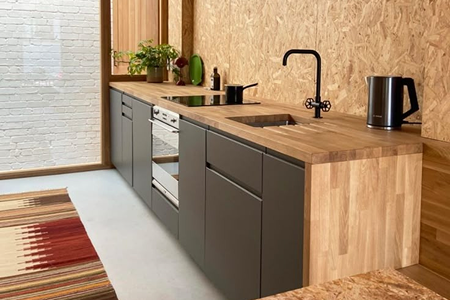
- • Wall and ceiling panels
- • Flooring
- • Interior finishing
- • Doors and windows
- • Furniture manufacturing
- • Laminated timber products
- • Plywood production
- • Bridges and outdoor structures
- • Utility poles
- • Packaging materials
Its combination of strength, workability, and durability makes it suitable for a broad range of construction and woodworking applications.
A Traditional Favorite in Japanese Architecture
For centuries, Japanese Cedar has been one of the preferred materials in traditional Japanese building design.
The wood offers excellent dimensional stability and natural durability while remaining relatively lightweight and easy to process. Its subtle fragrance creates a calming atmosphere, which is one reason it remains highly appreciated in residential, commercial, and cultural spaces throughout Japan.
Today, Japanese Cedar continues to play an important role in contemporary architecture. It is increasingly used in engineered wood products such as:
These applications allow the species to contribute to larger and more complex timber structures while supporting sustainable construction practices.
Benefits Beyond Construction
Japanese Cedar offers more than structural performance.
The wood can help regulate indoor humidity and is known for releasing natural phytoncides—organic compounds associated with the characteristic scent of forests. These qualities have encouraged its use in environments where comfort and well-being are important, including:
- • Schools
- • Childcare facilities
- • Healthcare centers
- • Senior living communities
- • Residential interiors
As one of Japan's longest-living tree species, Sugi continues to represent a strong connection between nature, architecture, and everyday life.
The Preferred Wood for Traditional Sake Barrels
Few hardwoods offer the same level of versatility as teak. Its natural durability allows it to perform well across a wide range of environments and applications.
Interior Uses Before glass bottles became widely available in the early twentieth century, wooden barrels were the primary method for storing and transporting sake.
Among the various timber species available, Japanese Cedar—particularly material sourced from regions such as Yoshino—was highly valued by sake producers. Its natural durability, resistance to moisture, and delicate aroma made it an excellent material for barrel production.
During the aging process, the wood gently influenced the character of the sake, adding subtle aromatic notes that enhanced the drinking experience. This traditional practice contributed to the development of distinctive barrel-aged sake styles that remain appreciated today.
The relationship between Japanese Cedar and sake production highlights how wood can contribute not only to structure and design, but also to cultural traditions and craftsmanship.
Sustainable Timber Solutions with TFSI
Understanding a wood species means understanding how to use it effectively.
At TFSI, we believe that successful projects begin with selecting the right material for the right application. Whether you are sourcing structural timber, decorative wood products, engineered wood materials, or FSC-certified timber, our team provides professional guidance and customized solutions to match your project requirements. From traditional craftsmanship to modern timber construction, TFSI connects global wood resources with practical applications.
Read More
Related Product

References:
https://www.pinterest.com/pin/233765036902824216/