



Through masterful wood marquetry, every journey aboard the Orient Express becomes a celebration of craftsmanship, history, and timeless elegance.
Contents :
1. Murder on the Orient Express
2. The Revival of a Railway Icon
3. Wood as the Language of Luxury
4. The Art of Wood Marquetry
5. The Importance of Choosing the Right Timber
Murder on the Orient Express
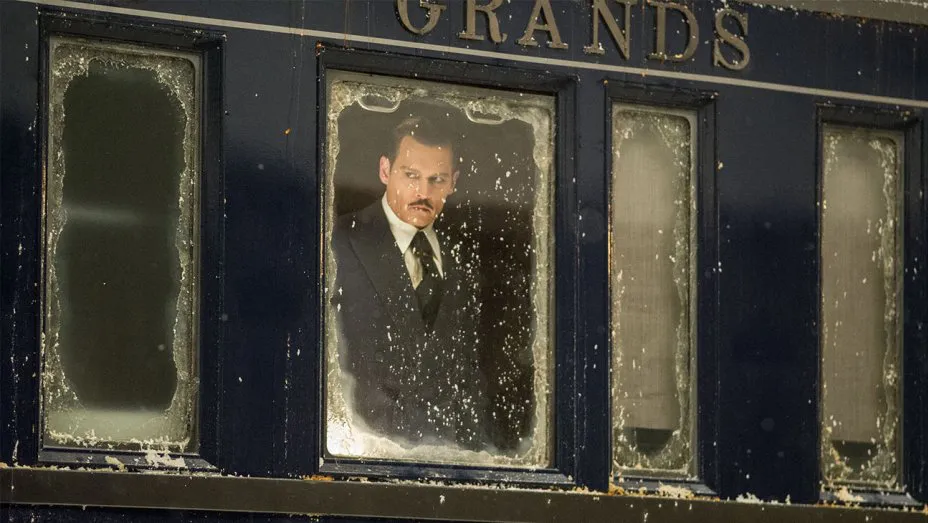
For many travelers, the Orient Express is more than a train—it is a symbol of mystery, sophistication, and adventure.
Its reputation was immortalized by the famous novel Murder on the Orient Express, which transformed the train into one of the most recognizable icons of luxury travel. Since its inaugural journey in 1883, the Orient Express has represented a unique way of experiencing Europe.
The original route connected Paris with Istanbul, crossing major cities throughout Germany, Austria, and Hungary. During the late nineteenth and early twentieth centuries, aristocrats, diplomats, artists, and wealthy travelers viewed the journey itself as an exclusive experience rather than simply transportation.
The train became a moving destination where culture, luxury, and exploration came together.
The Revival of a Railway Icon
As commercial aviation expanded during the 1970s, luxury rail travel gradually declined, and the golden era of the Orient Express appeared to be coming to an end. However, its story was far from over. American entrepreneur James B. Sherwood recognized the historical significance of the train and began purchasing and restoring original carriages. Working with skilled craftsmen and restoration specialists, he carefully revived the train's former elegance.
The restored service returned to operation in 1982 and later became part of the Belmond collection, introducing a new generation of travelers to the romance of classic rail travel.
Over the years, the Orient Express has welcomed notable guests ranging from scientists and fashion icons to political leaders and members of royal families. It has also appeared in films, fashion campaigns, and luxury lifestyle publications around the world.
While the landscapes outside the windows are extraordinary, many passengers find themselves equally captivated by the craftsmanship within the train itself.
Wood as the Language of Luxury
One characteristic shared by many historic luxury trains is the extensive use of wood throughout their interiors.
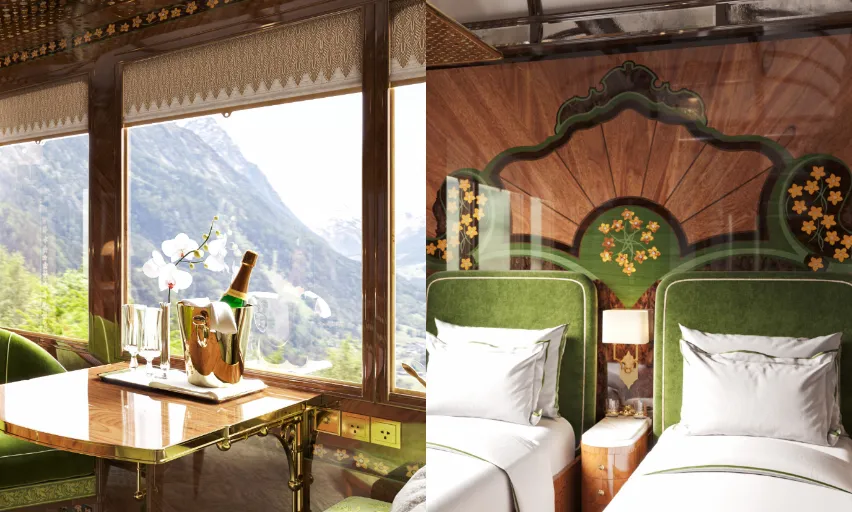
Rich wood veneers cover walls and corridors. Intricate detailing appears on doors, furniture, window frames, and decorative panels. Together, these elements create an atmosphere that feels warm, sophisticated, and timeless. This design approach is intentional.
Dark-toned wood creates a sense of comfort and intimacy, while natural grain patterns introduce depth and visual richness. Combined with metal accents, glass surfaces, and luxurious fabrics, wood helps balance elegance with warmth.
Unlike synthetic materials, wood offers a tactile experience that feels authentic and inviting. Its natural texture encourages a connection between passengers and the space around them.
Yet what truly defines the Orient Express interior is not simply the presence of wood—it is the craftsmanship used to transform wood into art.
Wood marquetry is often described as painting with timber.
The technique involves carefully selecting veneers of different species, colors, and grain patterns. These veneers are cut, assembled, and fitted together to create intricate decorative images and patterns.
The process demands exceptional precision. Multiple layers are cut simultaneously to ensure every curve and detail aligns perfectly. From a distance, the finished work appears as a complete artistic composition. Up close, viewers discover the intricate grain patterns and natural textures hidden within the design.
Throughout the Orient Express, marquetry serves as a central design feature rather than a simple decorative accent.
Inspired by landscapes across Europe—including forests, mountains, lakes, and countryside scenery—artisans use wood veneers to recreate natural forms throughout the train's interiors. Decorative panels, doors, and furniture surfaces become canvases where nature is interpreted through craftsmanship.
In selected areas, marquetry is combined with mother-of-pearl inlays, creating subtle reflections of light that enhance the luxurious atmosphere.
The result is an environment where design, material, and craftsmanship come together seamlessly.
Behind every exceptional piece of craftsmanship lies a critical decision: material selection.
Different wood species offer unique colors, grain patterns, durability levels, and performance characteristics. Choosing the right timber requires a careful evaluation of design goals, environmental conditions, functionality, and budget.
At TFSI, we understand that successful projects begin with the right material foundation. We provide professional timber consultation, helping customers select the most suitable species and wood products for their specific applications.
From decorative veneers and specialty panels to FSC-certified timber and customized processing solutions, TFSI delivers comprehensive wood solutions for designers, architects, manufacturers, and builders worldwide.
Because exceptional craftsmanship deserves exceptional materials.
TFSI — Connecting Premium Timber with Inspired Design.
Read More

Related Product

Source :
https://www.designwant.com/article/8716neutelings-riedijkbureau-bouwtechniek/
https://www.verse.com.tw/article/belmond-trains
https://www.heavenraven.com/2021/11/15/wes-anderson-design-orient-express-train/
https://www.thetimes.com/life-style/luxury/article/tales-from-the-atelier-orient-express-times-luxury-xmrmr5trf?utm_source=chatgpt.com
https://www.theluxuryholidaycompany.com/stories/eastern-oriental-express-the-ultimate-guide?utm_source=chatgpt.com
https://www.carolinamarquetry.com/what-is-marquetry/?utm_source=chatgpt.com
https://www.britannica.com/art/marquetry?utm_source=chatgpt.com