


From Cabins to Timber Architecture | Rediscovering the Future of Wood Construction
From simple cabins to modern timber buildings, wood architecture offers a glimpse into a more sustainable future.
Contents :
1. The First Image of Home in Our Stories
2. The Evolution of Cabin-Style Architecture
3. Why Timber Fits the Green Building Movement
4. Addressing Common Concerns About Timber Construction
5. Digital Technology and the Rise of Modern Wood Buildings
6. A Vision of Future Living
The First Image of Home in Our Stories
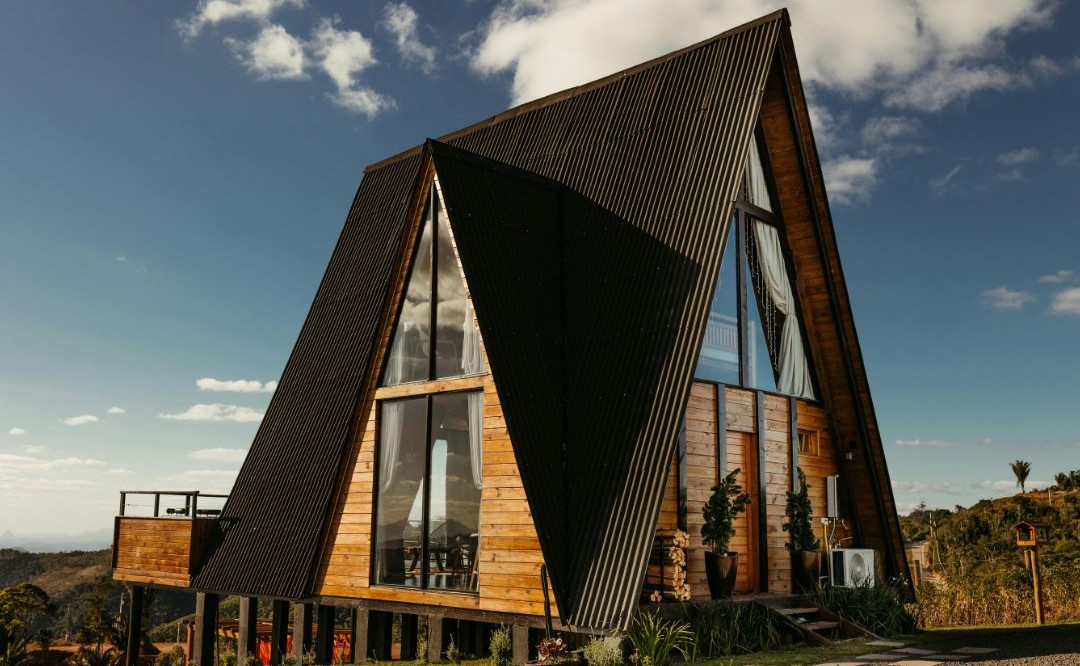
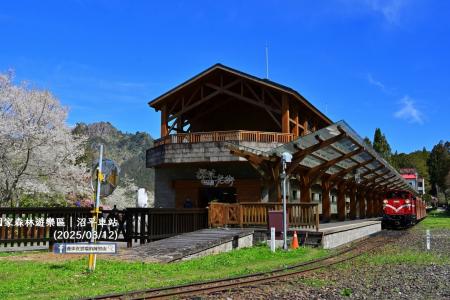
Treehouses and log cabins have long captured our imagination. In childhood stories and fairy tales, they often appear as secret hideaways filled with adventure, creativity, and dreams.
Today, many people associate cabins with camping sites or vacation retreats—temporary spaces that bring us closer to forests and nature. Rarely do we think of them as permanent homes.
Yet, as architectural thinking and building technologies continue to evolve, these simple cabin structures are helping us rediscover the possibilities of timber architecture.
The Evolution of Cabin-Style Architecture
One reason cabin-inspired buildings have remained relevant is their adaptability.
Modular construction methods allow timber structures to be assembled quickly, relocated when necessary, and adjusted according to different sites, functions, and life cycles.
Compared with conventional construction methods, this approach can significantly reduce long-term environmental impact.
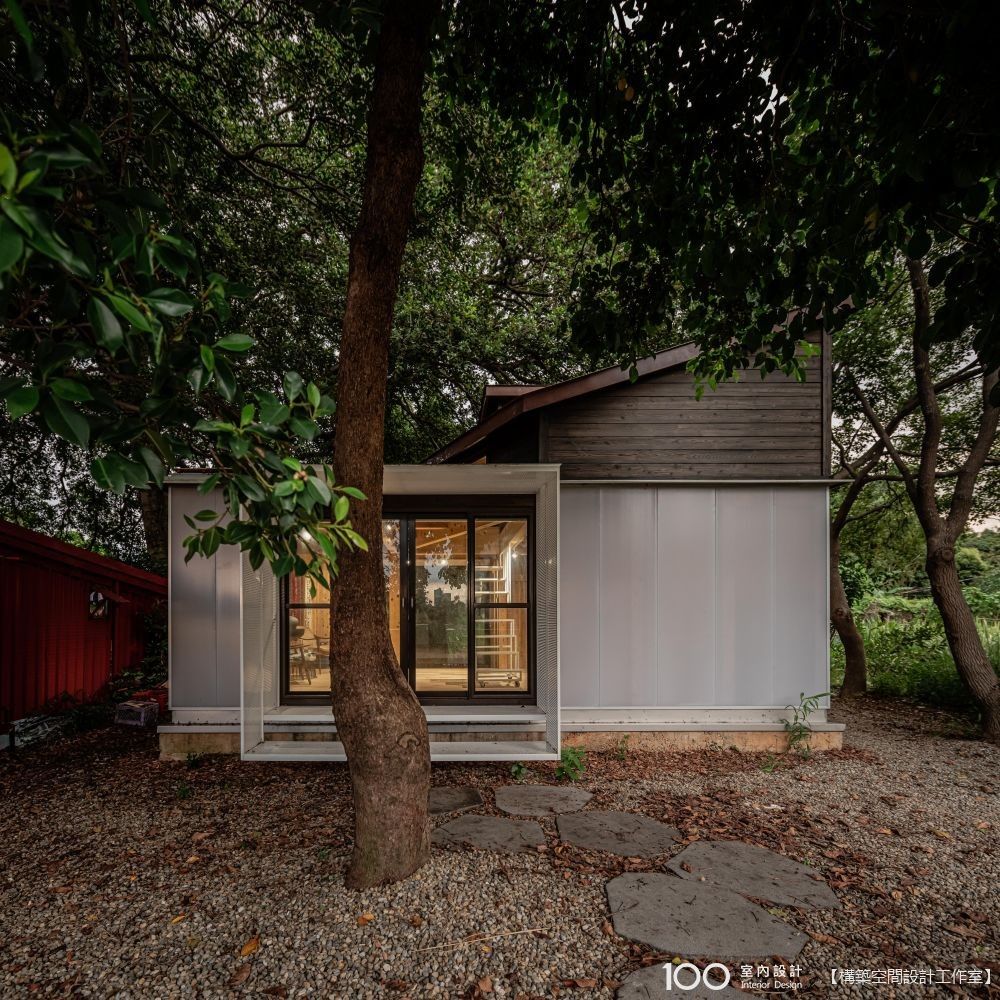
The use of natural materials such as wood, bamboo, and stone also offers greater design flexibility. More importantly, these ideas have laid the foundation for today's timber engineering developments—enabling larger spans, taller structures, and increasingly sophisticated wood buildings.
Why Timber Fits the Green Building Movement
Buildings exist to support human life. As environmental awareness grows and carbon reduction becomes a global priority, the construction industry is rethinking the materials it uses.
Wood has emerged as one of the most promising solutions.
Compared with concrete and steel, timber generally requires less energy during production and generates lower carbon emissions. At the same time, trees absorb carbon dioxide as they grow, storing carbon within their structure. When responsibly harvested wood is used in buildings, that carbon continues to remain locked away for decades.
For this reason, timber construction is increasingly recognized as an important strategy in addressing climate change.
Addressing Common Concerns About Timber Construction
Questions about fire safety, moisture resistance, and structural performance have traditionally limited public acceptance of timber buildings.
However, modern engineering has transformed the role of wood in construction.
Switzerland provides an excellent example of this shift.
According to reports from the Swiss Federal Office of Energy, buildings account for a significant portion of national carbon emissions. As a result, the country has actively promoted timber solutions in both new developments and renovation projects.
Supported by updated regulations and improved technologies, Swiss timber buildings have exceeded heights of 30 meters since 2015. By 2020, projects reaching approximately 60 meters had been completed for educational and public uses.
These achievements demonstrate that timber can successfully meet contemporary performance requirements while supporting sustainability goals.
Digital Technology and the Rise of Modern Wood Buildings
The advancement of timber construction is closely linked to technological innovation.
Computer-aided structural analysis and digital modeling allow wood to be engineered with remarkable precision. Building components can now be prefabricated in factories, improving quality control while shortening construction schedules.
Advances in fire engineering have also strengthened confidence in timber structures. Fire-resistant design strategies, sprinkler systems, and protective treatments contribute to safer buildings. Additionally, large engineered timber elements naturally form a protective char layer when exposed to fire, helping preserve structural integrity and providing valuable evacuation time.
Technology has enabled wood to move beyond traditional limitations and become a competitive material for contemporary architecture.
A Vision of Future Living
From the storybook image of a small cabin to the reality of multi-story timber buildings in modern cities, the philosophy behind wood architecture remains unchanged: creating spaces centered around people and designed in harmony with nature.
At TFSI, we believe that outstanding architecture begins with selecting the right materials.
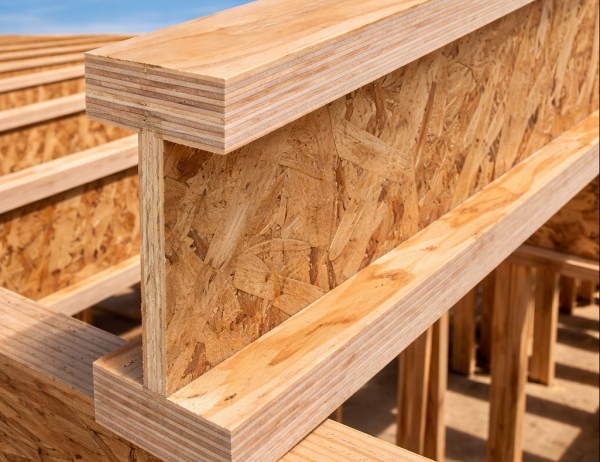
We are more than a timber supplier—we are your professional wood consultant and long-term partner. From structural timber and engineered wood products to specialty panels, FSC-certified materials, and customized processing services, TFSI delivers tailored timber solutions designed to support the future of sustainable construction.
Read More
Related Product
Reference:
https://www.100.com.tw/article/2837