


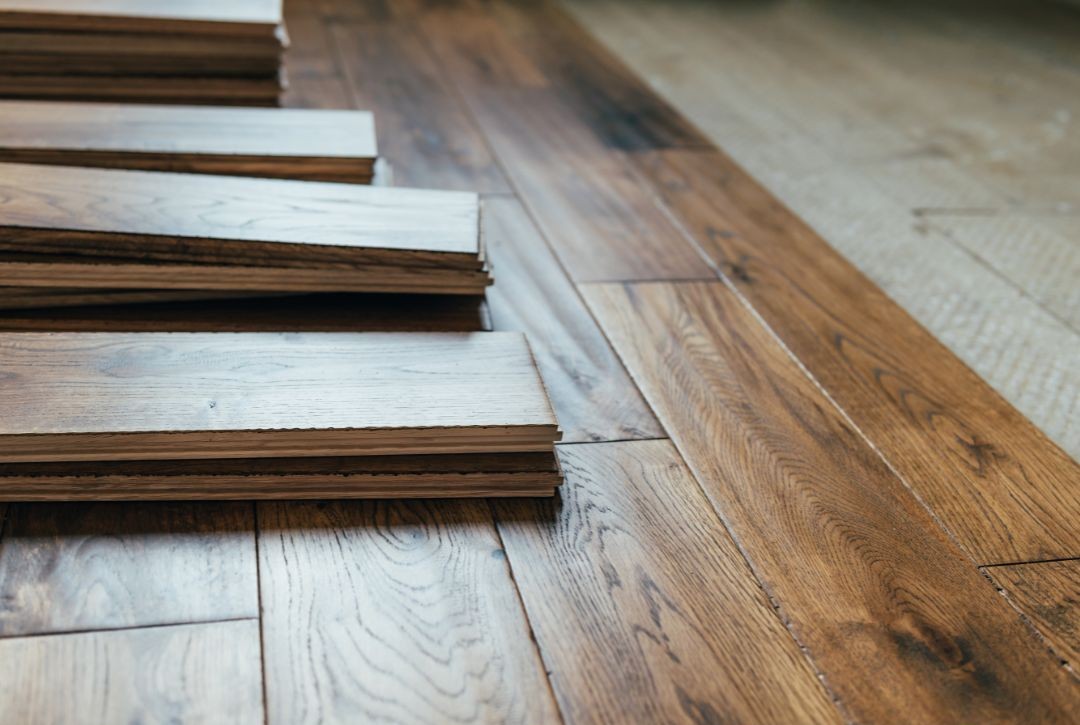
Real wood leaves natural clues. By looking at the grain, feeling the surface, and checking the scent, you can learn more about the material in front of you.
Contents :
1. Is It Really Solid Wood?
2. Not All Genuine Wood Materials Are the Same
3. Three Clues You Can Check Yourself
4. So, Which One Is Real?
5. TFSI | Your Professional Timber Solutions Partner
Is It Really Solid Wood?
When choosing furniture or checking materials for an interior project, you may often hear the words:
“This is solid wood.”
But without professional equipment, how can you make a basic judgment for yourself?
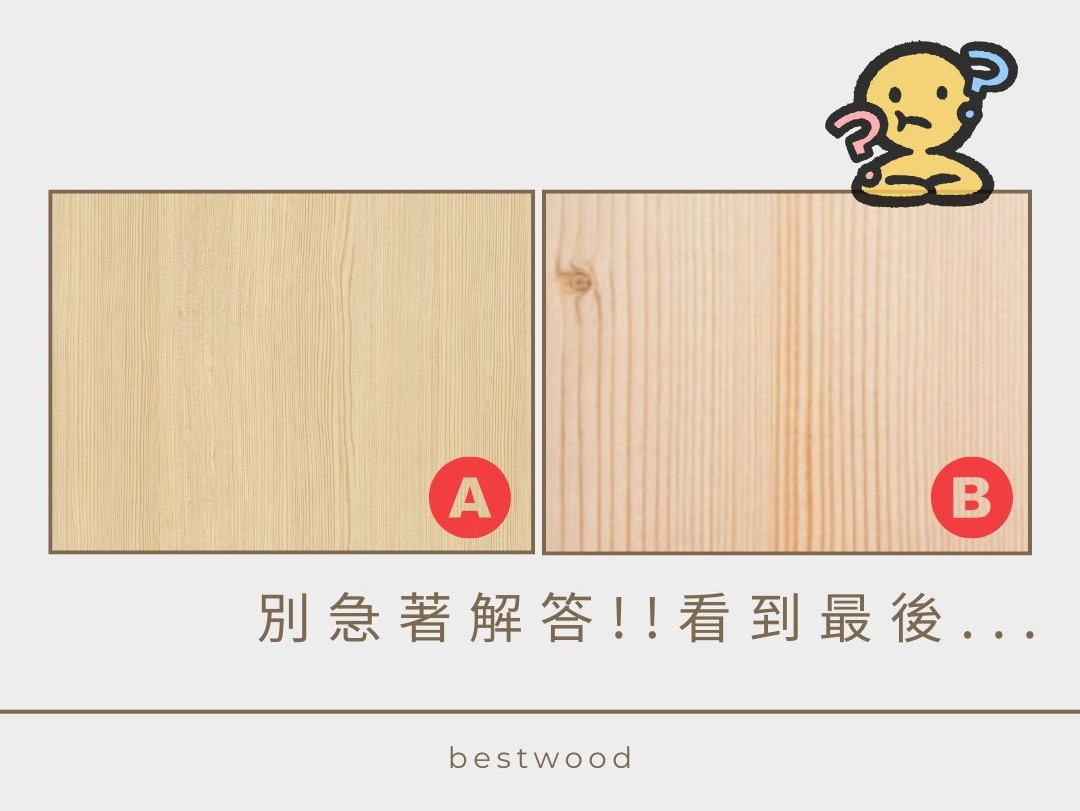
Imagine two wood-look panels placed side by side. One uses genuine wood, while the other reproduces the appearance of wood through printing.
At first glance, they may look very similar. But when you know what details to check, the differences can become easier to recognize.
Not All Genuine Wood Materials Are the Same
Before learning how to identify wood, it is important to understand that genuine wood materials can come in different forms.
Solid wood is cut directly from logs, so the natural grain continues through the material and every piece has its own individual appearance.
Another common option is plywood or plywood finished with real wood veneer. Plywood is produced by peeling logs into thin veneers and bonding the layers together. When genuine wood veneer is used as the surface layer, what you see and touch is real wood rather than a printed wood pattern.
These materials are designed for different purposes.
Solid wood is often chosen for its natural appearance and distinctive grain. Plywood provides good dimensional stability and is commonly used in furniture, cabinetry, interior work, and other applications requiring stable panels.
Rather than deciding which one is simply better, the more important question is which material is suitable for the intended use and structural requirements.
Three Clues You Can Check Yourself
Modern wood-look materials can be very realistic, so appearance alone may not always provide the answer.
A better first check is to combine three senses: sight, touch, and smell.
- Follow the Natural Grain 👀
Start by looking carefully at the wood pattern.
Natural grain develops as a tree grows, creating variations that are unique to each piece. The lines, colors, and patterns will naturally change across the surface instead of following an identical repeated design.
📌 With materials such as laminate and wood-plastic composite (WPC), the wood pattern may be printed or reproduced. Look across a larger area and check whether the same knots or grain patterns appear repeatedly.
A clearly repeating pattern can be a sign that the wood appearance has been manufactured rather than naturally grown.
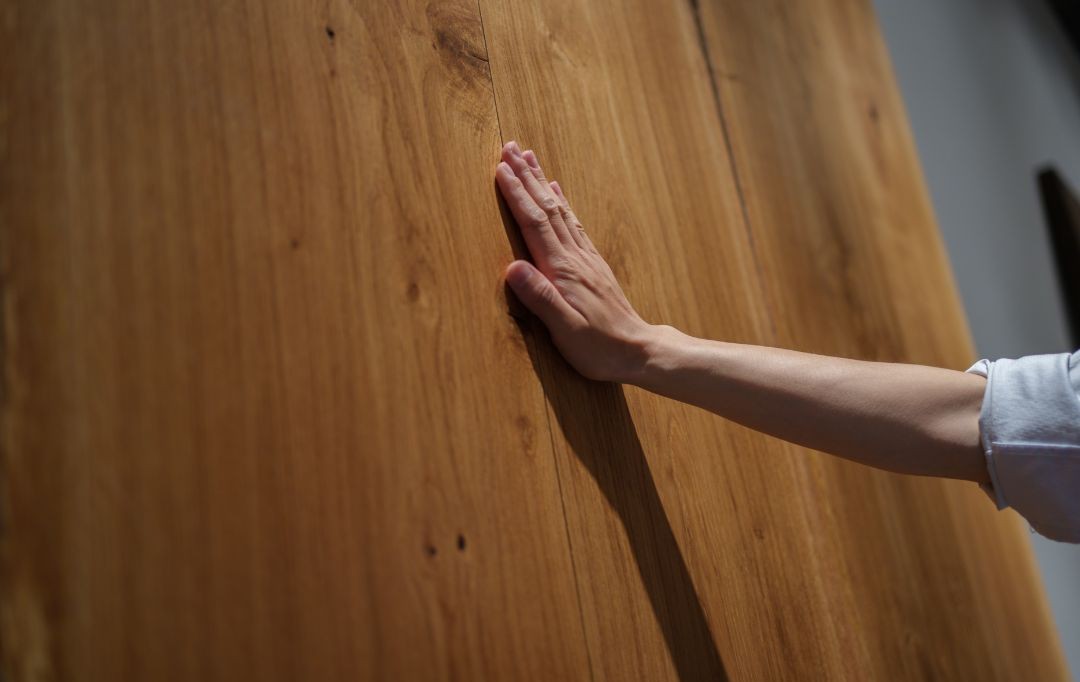
- Let Your Hands Check the Surface 🫳
Next, touch the material.
Natural wood usually has small variations across its surface. Depending on the species and finish, you may feel subtle differences in the grain, texture, and depth. It also tends to provide the warm touch commonly associated with wood.
📌 Laminate and WPC can now be embossed to imitate these natural textures. However, the surface may still feel more like resin or plastic.
Edges are also worth checking. Poorly finished laminate may reveal visible joints, dark lines, or differences between the surface and edge. With solid wood, the material and grain generally continue more naturally around the edges.
- Look for a Natural Wood Scent 👃
Smell can provide one more clue.
Some real wood continues to release a light woody scent even after finishing. Aromatic species such as Hinoki cypress and cedar can make this characteristic especially noticeable.
📌 Materials containing plastic or resin, including some laminate and WPC products, generally do not have the same natural wood scent. They may have very little smell or a slight resin or plastic odor instead.
Scent should not be used as the only test, but it can support what you have already observed through sight and touch.
So, Which One Is Real?
The answer is A. Did you choose correctly?
As imitation technology improves, identifying real wood from appearance alone is becoming more difficult.
Printed surfaces can reproduce realistic knots and grain, while modern embossing can add wood-like texture. This means that relying on just one clue may lead to the wrong conclusion.
Instead, put the three observations together:
Check whether the grain repeats. Feel the texture and edges. Notice whether there is a natural wood scent.
Using several clues together gives you a better understanding of the material and helps you ask the right questions when buying furniture or reviewing materials for a project.
So the next time someone tells you, “This is solid wood,” do more than simply look at the surface. Take a closer look, touch the material, and understand what you are actually choosing.
TFSI | Your Professional Timber Solutions Partner
From structural timber and decorative wood to specialty panels, FSC-certified materials, and customized processing, TFSI provides practical timber solutions based on different applications and project requirements.
Read More
Related Product

Reference :
https://sml.pidc.org.tw/productdetail_tw.php?id=187
https://www.next-wood.com/About
https://js-furniture.com.tw/實木-貼皮-分辨/
https://largehomeai.com/news/laminate-vs-comparison
https://www.8dali.com/nj1/jia_yi_su_mu_gong_cheng_14.html
https://www.formica.com/zh-tw/articles/product/hpl-materials-introduction