

MycoTemple | When Fungi Become Part of Architecture
A Living Sanctuary Where Wood, Mycelium, and Nature Grow Together
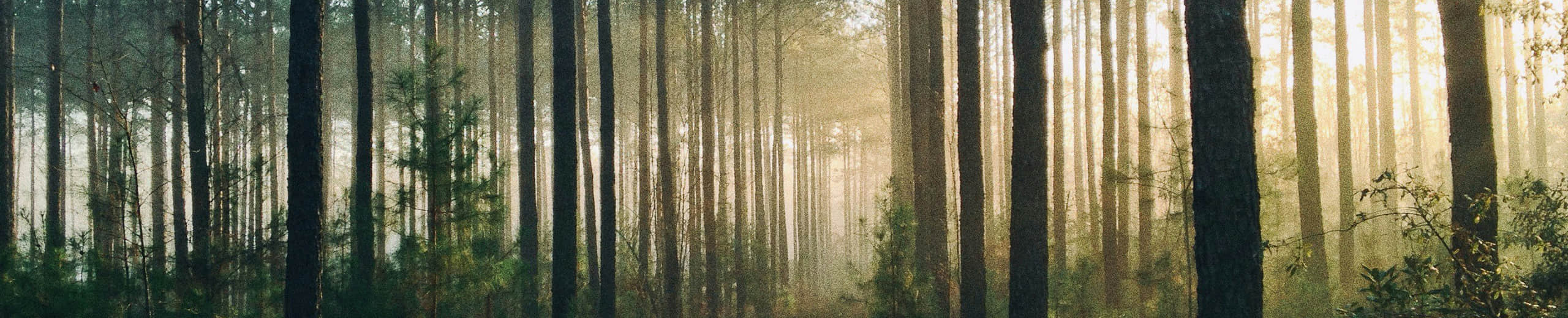
Deep within the forests of Marseille, France, MycoTemple presents an unusual idea of what architecture can become.
Instead of creating a permanent structure from hard, conventional materials, the project brings together reclaimed wood, fungi, and living mycelium. The result is an organic sanctuary that appears to grow naturally from its surroundings.
Its rough surfaces and changing forms challenge the familiar image of architecture as something fixed and permanent. Here, the building is not separated from nature—it becomes part of nature itself.
Contents :
1. Architecture That Changes with Time
2. Can Fungi Become a Building Material?
3. From Permanent Buildings to Living Systems
4. Exploring a Lower-Carbon Future
Architecture That Changes with Time
From the outside, MycoTemple looks almost as if it has emerged directly from the forest floor. Different fungi cover the structure, giving its surfaces a living and constantly changing appearance.
The experience continues inside.
Visitors enter a large, soft space filled with warmth and organic textures. The layered walls have a skin-like appearance, creating an atmosphere very different from conventional concrete, steel, or glass buildings.
But one of the most important ideas behind MycoTemple is that the structure is not designed to remain unchanged forever.
As fungi continue their natural decomposition process, the building gradually changes and will eventually disappear. This makes MycoTemple both an architectural space and an evolving artwork.
Instead of resisting time and natural processes, the project allows them to become part of the design. The appearance of the sanctuary can therefore be different from one moment to another, creating an experience shaped by nature itself.
Can Fungi Become a Building Material?
Fungi and mycelium are attracting growing attention as potential materials for sustainable construction.
Mycelium, the root-like network of fungi, can grow through organic matter and form lightweight materials that can be shaped for different applications.
Mycelium-based materials are renewable and biodegradable. They can also provide useful properties such as thermal insulation, sound absorption, and fire resistance.
Fungal technologies have also been explored for applications ranging from building products to repairing cracks in concrete. Some fungi can contribute to environmental processes such as breaking down pollutants, further increasing interest in their possible role in greener material systems.
These possibilities invite architects and material designers to rethink the relationship between buildings and biological materials.
Instead of relying only on conventional materials such as concrete and stone, future architecture may increasingly include materials that are grown, used, reused, and eventually returned to natural cycles.
From Permanent Buildings to Living Systems
MycoTemple represents more than an experiment with an unusual material.
By combining reclaimed timber with living fungi, the project asks whether architecture always needs to be permanent. A building can instead be designed to change, age, decompose, and eventually return its materials to nature.
This creates a different relationship between architecture and its environment.
Rather than seeing nature only as the landscape surrounding a building, MycoTemple brings biological processes directly into the structure itself. Growth and decomposition become part of the architectural experience.
In this way, the project becomes a collaboration between design, materials, time, and nature.
Exploring a Lower-Carbon Future
The environmental impact of construction makes this exploration increasingly important. The global buildings and construction sector is responsible for approximately 37% of energy- and process-related CO₂ emissions.
Materials such as timber and mycelium therefore offer another direction for designers exploring ways to reduce the environmental impact of buildings.
Wood can store carbon absorbed by trees during growth, while bio-based materials such as mycelium can be renewable and biodegradable. When combined with reclaimed materials and circular design principles, these resources offer opportunities to rethink how buildings are produced and what happens to their materials at the end of use.
MycoTemple shows that innovation in architecture does not always mean creating something more permanent.
Sometimes, the more sustainable idea may be to create a building that can grow, change, disappear, and become part of nature once again.
Project Information
Project Name: MycoTemple
Type: Architectural Installation
Location: Marseille, France
Artist: Côme Di Meglio
Year: 2023
Video Link: Watch Video
Read More
Related Product
Reference:
https://www.yankodesign.com/2023/10/28/spirituality-and-sustainable-innovation-unite-in-architectural-splendor-at-the-mycotemple/