

Dense grain, exceptional hardness, and natural durability have made Bangkirai a trusted hardwood for demanding outdoor and structural applications.
Contents :
1. A Forest That Turns Gold
2. Getting to Know Bangkirai
3. Why Is Bangkirai So Hard?
4. Bangkirai in Architecture: Oikumene Church
5. From Heavy Construction to Outdoor Living
6. TFSI | Your Global Timber Solutions Partner
A Bridge Above the Rainforest
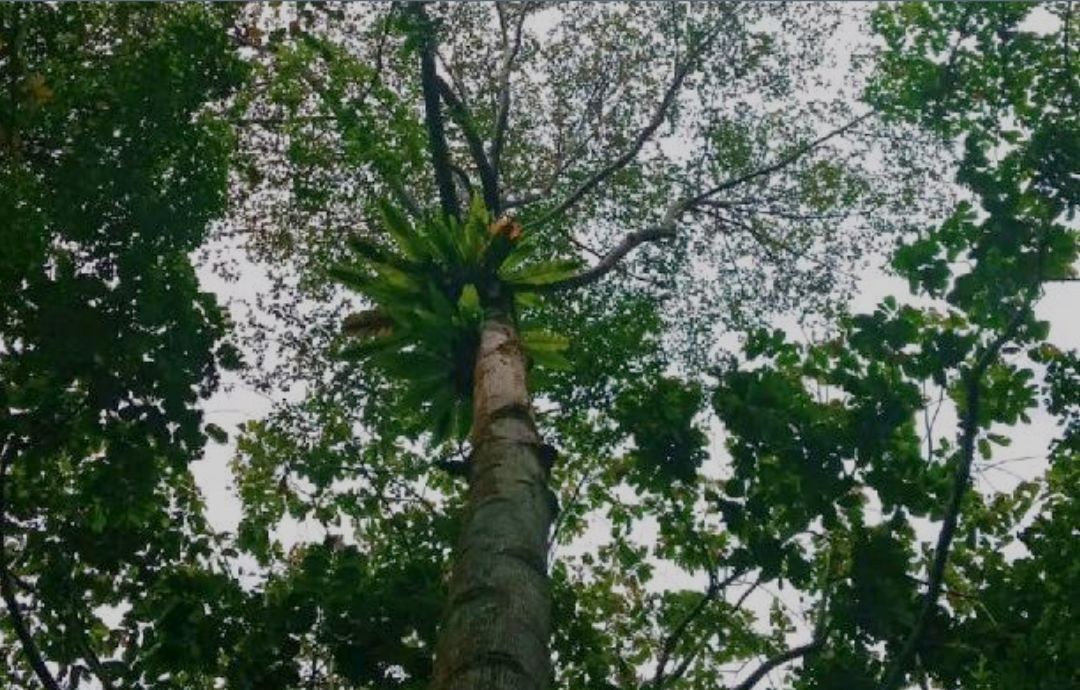
High among the trees of the Bangkirai Hill Nature Reserve in Indonesia, a canopy bridge stretches through the tropical forest approximately 30 meters above the ground.
Extending around 64 meters, the bridge was the first canopy bridge of its kind in Indonesia. After nearly three decades of exposure to tropical sun, heavy rainfall, and changing weather conditions, it continues to stand among the trees.
One of the key materials behind this structure is Bangkirai, a dense tropical hardwood found across Southeast Asia.
This long-standing bridge provides a clear example of why Bangkirai has traditionally been selected for outdoor structures that require strength and durability.
Getting to Know Bangkirai
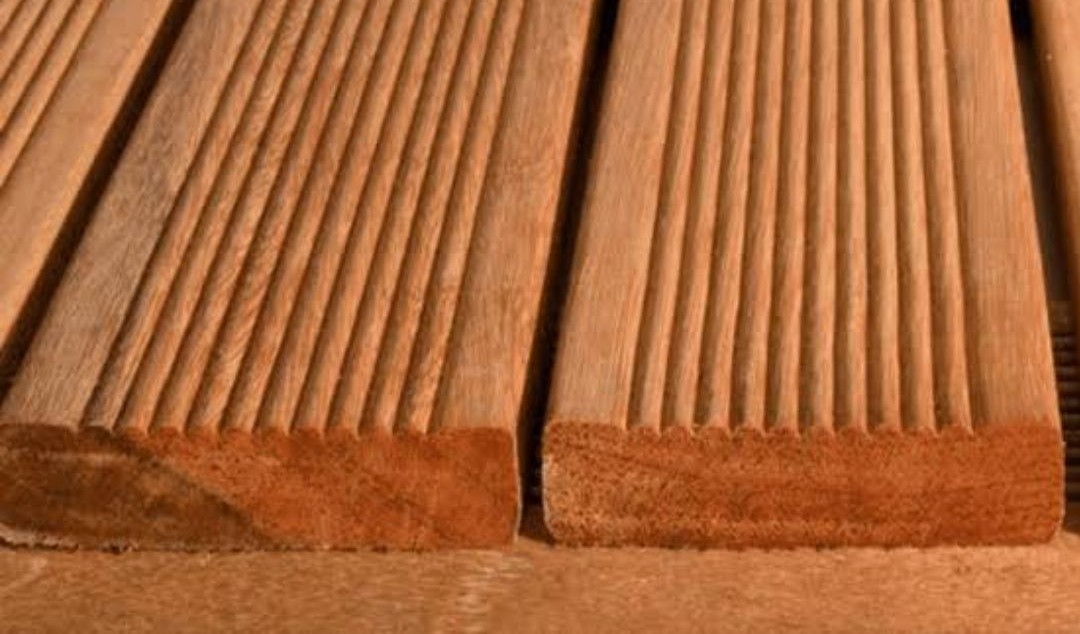
Bangkirai grows naturally across Southeast Asia, with species found in areas including Malaysia, Borneo, and the Philippines.
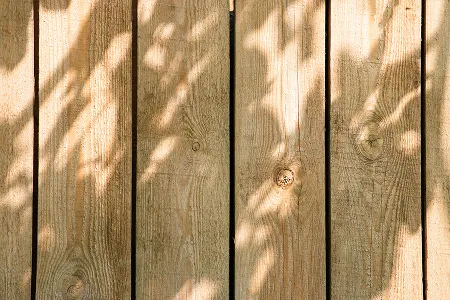
The sapwood is generally pale yellow, while the heartwood varies from yellowish brown to reddish brown depending on the species. As the timber is exposed to air and sunlight over time, its color gradually develops into a deeper brown.
Its grain is commonly interlocked, with some pieces showing attractive wavy or curly patterns.
Behind this natural appearance is a very dense and compact wood structure—one of the characteristics that gives Bangkirai its well-known hardness and strength.
Why Is Bangkirai So Hard?
Bangkirai is recognized for its dense structure and tightly interlocked fibers.
Its exceptional hardness is reflected in the Malay word “Batu,” meaning stone, a name used to describe the rock-like character of this timber.
Bangkirai also provides high mechanical strength, with strength levels described as approximately 1.5 times those of teak, together with strong natural resistance to termites.
These properties help explain why the timber has been widely used in demanding outdoor environments.
There is, however, one natural characteristic worth knowing before installation.
Bangkirai contains a relatively high amount of water-soluble tannins. When the timber is exposed to rain, some of these tannins may wash out and create light brown runoff or staining.
This is a natural reaction of the wood rather than a quality defect. After repeated rainfall and continued weathering, the amount of tannin released usually decreases.
Bangkirai in Architecture: Oikumene Church
Bangkirai is not limited to decking, bridges, or heavy outdoor structures. It can also become part of architectural design.
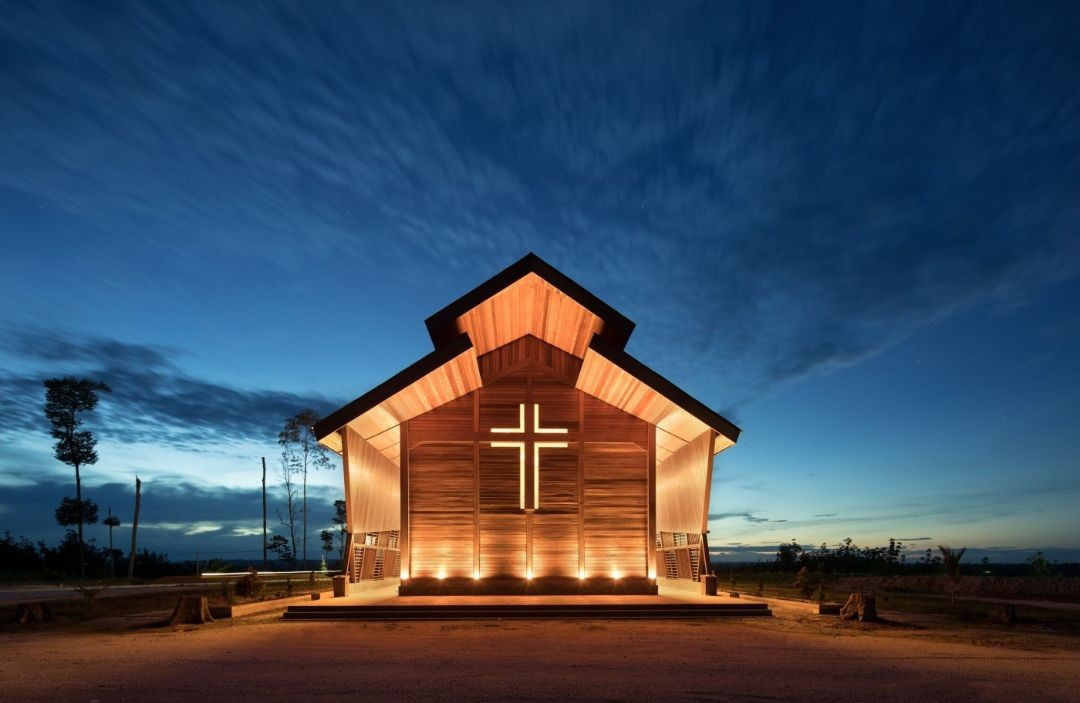
Oikumene Church in East Kalimantan, Indonesia, designed by a team led by Indonesian architect Tony Sofian, was built using Bangkirai together with other reclaimed timber.
Because the project made use of discarded wood materials, the construction team carried out repeated testing and evaluation to ensure that the reused components could provide the required structural stability.
The dense and compact characteristics of Bangkirai helped contribute to the final structural system.
At the same time, the building incorporates the architectural language of the traditional Dayak longhouse, bringing together local cultural influences, reclaimed materials, and modern construction.
The project demonstrates how a heavy tropical hardwood can serve not only as an engineering material but also as part of an architectural identity.
From Heavy Construction to Outdoor Living
One well-known architectural example is the Savill Building at Windsor Great Park in England.
Its sweeping roof is formed by a timber gridshell made from numerous interwoven larch strips. Instead of functioning independently, the timber members support one another to create a continuous curved roof structure.
The project shows another side of larch: beyond being a naturally durable material, it can also become part of sophisticated engineered structures when combined with thoughtful design and construction technology.
Larch and Sustainable Forestry
Bangkirai has traditionally been used where timber needs to withstand demanding conditions.
Earlier applications included railway sleepers, bridges, docks, and other heavy engineering structures.
Later, as teak supplies became more limited, Bangkirai gained greater attention in Europe as an alternative hardwood for outdoor terraces, decking, and boardwalks.
Today, it remains a widely used material for exterior applications such as decking, stairs, handrails, terraces, walkways, and other outdoor structures.
Its combination of hardness, density, durability, and termite resistance makes it particularly suitable for projects where wood is regularly exposed to weather and heavy use.
Selecting the right timber, however, involves more than simply choosing the hardest species. The application, installation environment, dimensions, processing requirements, and material source should all be considered together.
TFSI provides FSC-certified timber, professional material recommendations, and customized processing solutions for different project requirements. From structural timber and decorative wood to specialty wood products, we help customers find suitable materials for a wide range of applications.
GET YOUR BEST WOOD FROM TFSI — Reliable timber solutions start with the right material.
Read More
Related Product


References:
https://www.internationalparks.org/indonesia/Bukit%20Bangkirai
https://www.indonesia-tourism.com/east-kalimantan/bukit_bangkirai.html
http://trigonesian-wood.blogspot.com/2016/01/bangkirai-wood.html
https://www.delta-intkey.com/wood/en/www/dipshlae.htm
https://www.mottimes.com/article/detail/4696
http://www.qicwoodhome.com.tw/products/info.php?id=8360&title_id=1328
https://www.bestwood.com/product_d.php?lang=tw&tb=3&id=3473&tab=5828
https://www.hfwood.com.tw/index.php/selangan-batu/