


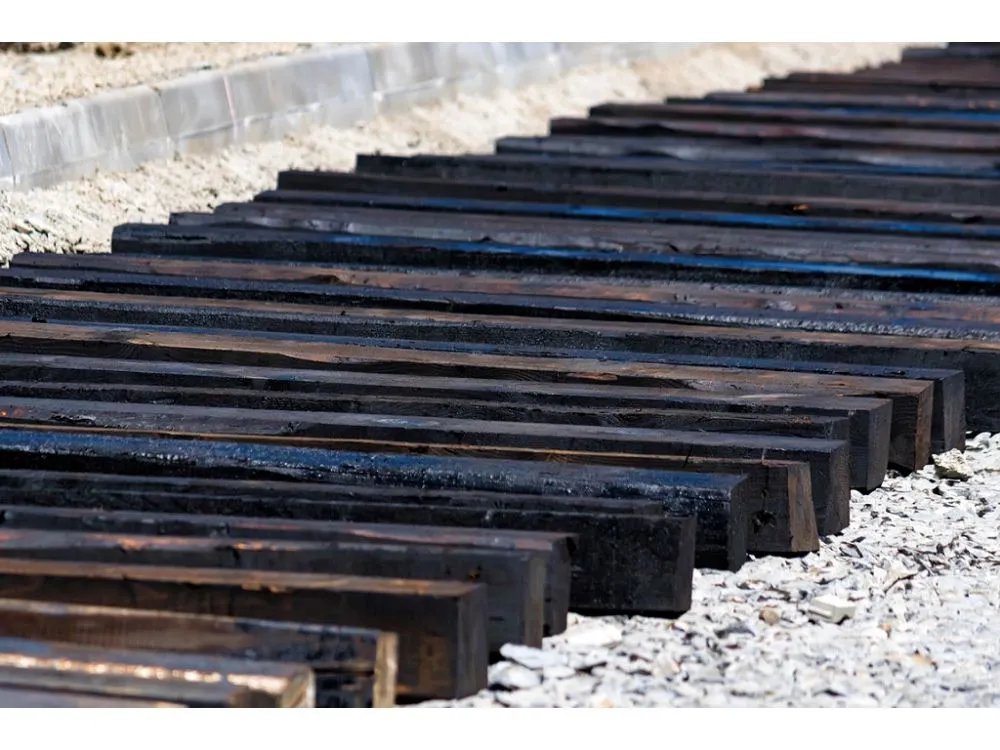
Once used to support railway tracks and carry the weight of passing trains, wooden sleepers are now finding a second life in gardens, interiors, and landscape projects. Their aged surfaces, solid form, and natural wood grain give designers a material that is difficult to reproduce with new products.
Contents :
1. From Railway Tracks to Design Materials
2. Why Have Designers Rediscovered Wooden Sleepers?
3. Three Reasons Wooden Sleepers Work Well in Design
4. What Should You Check Before Choosing Wooden Sleepers?
5. Finding the Right Wooden Sleepers for Your Project
6. TFSI | Your Global Timber Solutions Partner
From Railway Tracks to Design Materials
Have you ever noticed thick wooden beams used along a garden path, fence, wall, or outdoor seating area?
Some of them may have originally served as wooden railway sleepers, also known as railroad ties.
Railway sleepers are rectangular supports installed beneath steel rails.
Traditionally made from either hardwood or softwood, with species such as oak and Douglas fir, their main purpose is to hold the rails in position and distribute the heavy loads created by passing trains.
Wood also provides natural elasticity, helping absorb vibration and impact. Compared with some other materials, wooden sleepers are relatively easy to transport, install, replace, and maintain, while also providing good electrical insulation.
Although modern railways also use concrete and steel sleepers, timber has played an important role in railway construction for generations.
The dark or almost black appearance seen on many older wooden sleepers usually comes from preservative treatments applied to extend their service life.
Why Have Designers Rediscovered Wooden Sleepers?
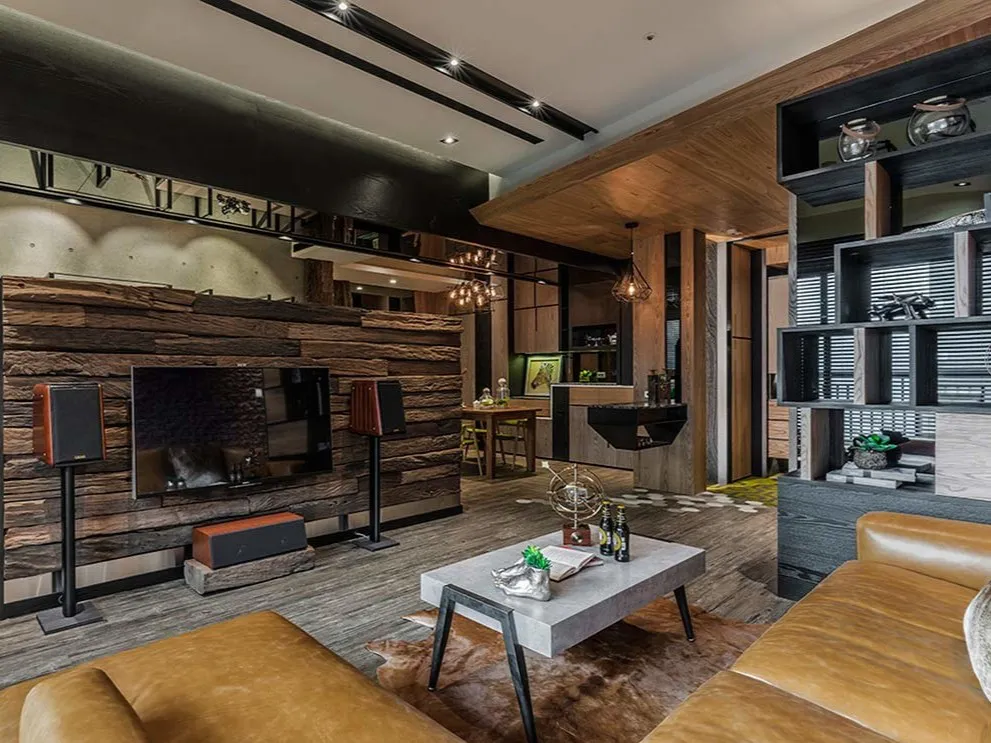
A new piece of timber has natural grain and color. A reclaimed railway sleeper has something more: the marks of time and use.
Weathering, cracks, old fixing holes, worn edges, and changes in color can give every piece a different appearance.
Instead of hiding these marks, designers often make them part of the design.
This aged character allows wooden sleepers to work with different styles. They can add a strong natural texture to industrial interiors, complement the imperfect beauty of wabi-sabi spaces, or introduce warmth into simple Scandinavian-inspired environments.
No two reclaimed sleepers look exactly the same, which is part of their appeal.
Three Reasons Wooden Sleepers Work Well in Design
- Natural Character That Is Difficult to Reproduce
Reclaimed sleepers combine the original grain of timber with traces left by years of railway use.
Their rough surfaces, weathered colors, cracks, and old marks create a visual character that cannot easily be copied with newly manufactured materials.
This combination of rugged texture and natural warmth can make sleepers a strong visual feature in both indoor and outdoor spaces.
- Flexible Design Possibilities
The simple rectangular shape of a wooden sleeper makes it suitable for many applications.
Depending on the project, sleepers can be used for garden paths, fences, benches, walls, display shelves, steps, and landscape structures.
They can also be cut, joined, or sanded to meet different design requirements.
This flexibility allows designers to use the same basic material for both practical structures and decorative features.
- Giving Existing Timber a Second Life
When retired railway sleepers are suitable for reuse, they provide an opportunity to extend the service life of an existing wood product instead of immediately discarding it.
In this way, reclaimed timber can become part of a circular approach to material use.
For designers, reuse can also communicate a different idea about materials: an old surface does not always mean the end of a product's useful life. With proper selection and processing, it may become the beginning of a completely different application.
What Should You Check Before Choosing Wooden Sleepers?
The aged appearance of reclaimed sleepers may be attractive, but material condition should still be carefully evaluated before use.
Start with the condition of the timber. Check for major cracks, serious damage, insect activity, or areas where the wood has become loose or badly deteriorated. This is particularly important when the sleeper will serve a structural or load-bearing purpose.
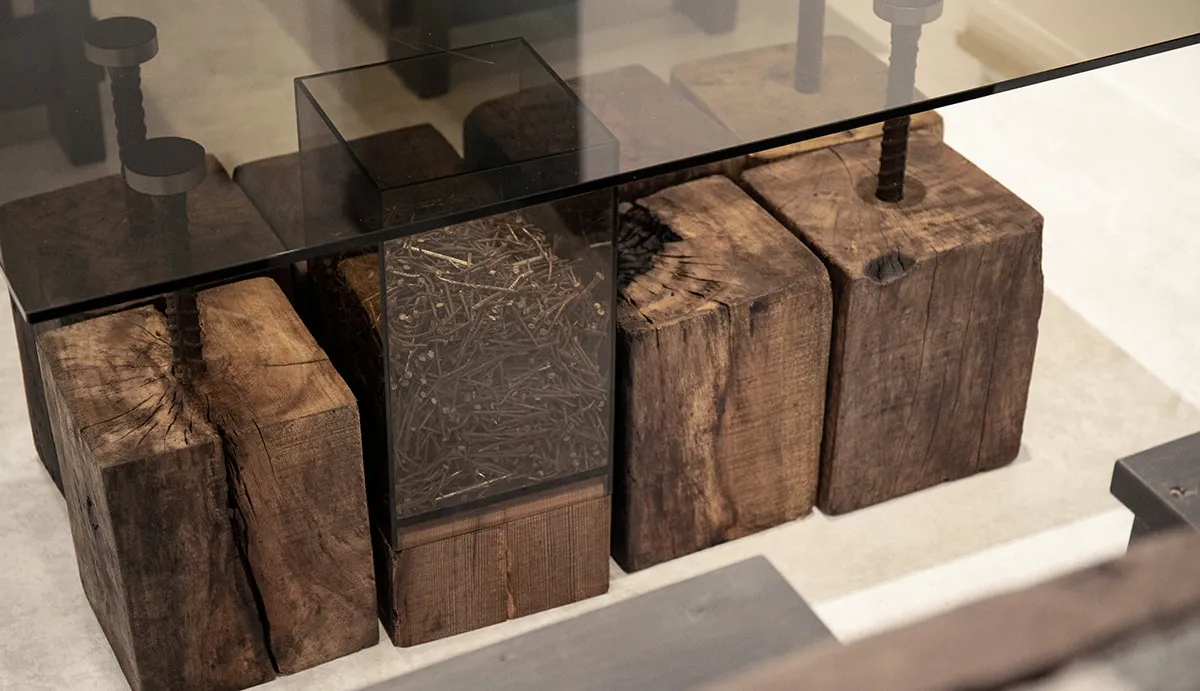
Surface condition also matters. Used sleepers may contain cracks, nail holes, rough edges, dirt, or splinters. For applications where people will regularly touch the wood, such as benches or indoor features, additional cleaning and surface treatment may be required.
Finally, select the material according to its intended use. A decorative garden feature and a long-term load-bearing structure do not require the same material condition. Applications requiring greater strength should use sleepers with better overall integrity and less damage.
Understanding where and how the material will be used is the first step toward choosing the right piece.
Finding the Right Wooden Sleepers for Your Project
Wooden sleepers have moved far beyond their original role beneath railway tracks.
Their heavy proportions, natural grain, weathered appearance, and ability to be reused in different ways have made them an interesting material for architecture, landscaping, and interior design.
However, every project has different requirements for species, dimensions, appearance, quality, and processing.
TFSI provides timber solutions based on different project requirements, with material selection, quality control, size matching, and customized processing services. Whether the application is landscaping, outdoor construction, or another timber project, choosing the right material should always begin with understanding how it will be used.
Read More


Related Product


References:
https://hhh.com.tw/videos/detail/2828
https://decomyplace.com/n.php?id=9657
https://www.mujieliving.com/posts/450
https://www.1120.com.tw/product/detail471
https://zh.wikipedia.org/zh-tw/%E6%9E%95%E6%9C%A8
http://tune-shih-railroad.fuludun.tw/dictionary/dic11.htm
https://www.bestwood.com/product_d.php?lang=tw&tb=1&id=667&tab=3692
https://www.metadesign.com.tw/thejobsiteplan-16f-waitingseats.html