


Every piece of wood has a source. Understanding that source is one of the first steps toward making a more responsible timber choice.
Contents :
1. The Story Behind a Piece of Timber
2. Plantation Forests and Primary Forests Have Different Roles
3. Why Can’t a Primary Forest Simply Be Replanted?
4. How Do Plantation Forests Support Timber Demand?
5. Does “Real Wood” Have to Be One Solid Piece?
6. Sustainable Timber Starts with Knowing the Source
7. TFSI | Your Professional Timber Solutions Partner
The Story Behind a Piece of Timber
When choosing flooring, furniture, cabinets, or construction materials, we often focus first on the wood species, grain, color, quality, and price.
But there is another question worth asking: Where did this wood come from?
Before timber reaches a factory, construction site, or home, the tree may have spent decades growing. After harvesting, it passes through several stages, including sawing, drying, processing, and transportation.
This means the value of timber is not defined only by what we see on the surface. The forest behind the material—and how that forest is managed—is also part of its story.
Plantation Forests and Primary Forests Have Different Roles
Not all forests develop or operate in the same way.
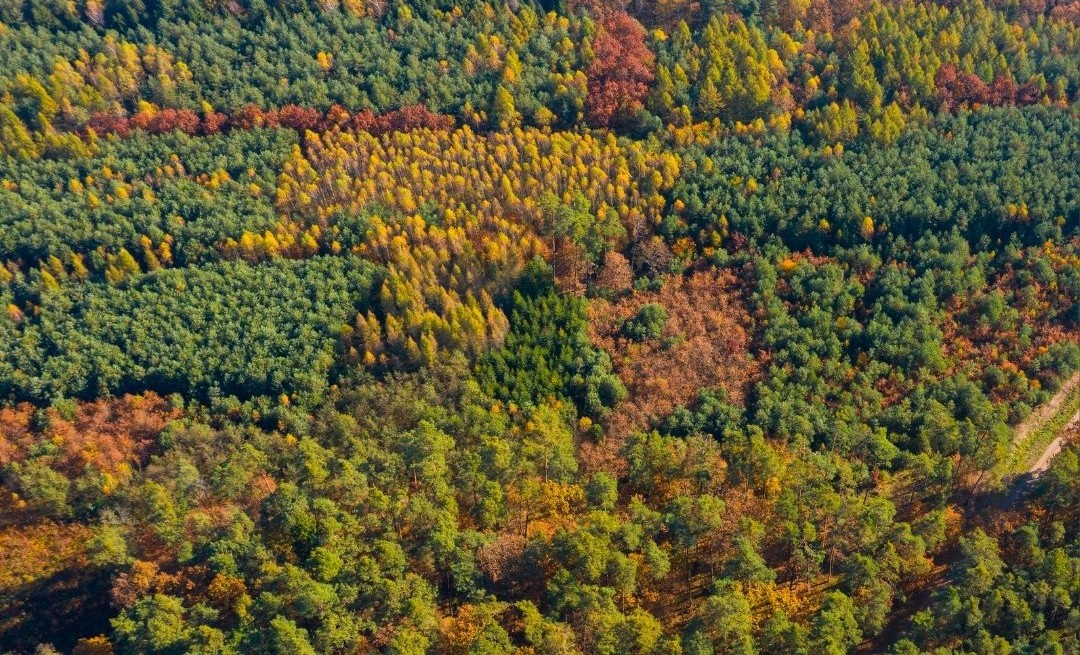
Plantation forests are established and managed according to planned forestry systems. Tree species, planting density, growth periods, harvesting schedules, and replanting can all be managed to maintain a continuing supply of timber.
Primary forests, on the other hand, have developed through natural processes with little or no significant human disturbance. Their ecosystems have evolved over long periods of time through interactions between trees, plants, wildlife, soil, and other organisms.
Rather than simply viewing these forests as “artificial” versus “natural,” it is more useful to understand the different roles they can play.
Managed plantations can provide an important and stable source of wood, while primary forests contain complex ecosystems with significant ecological value.
Why Can’t a Primary Forest Simply Be Replanted?
An old forest is much more than a collection of large trees.
Over time, different tree species and generations grow together. Animals, plants, microorganisms, soil, water, and trees continuously interact, creating a complex ecosystem that may have taken a very long time to develop.
This complexity cannot simply be replaced by cutting down a mature tree and planting a new seedling.
A newly planted tree may eventually grow to the same size, but rebuilding the ecological relationships around it can require much more time.
For timber buyers and users, this is why responsible sourcing matters. The important questions are not only about what type of wood we are buying, but also about where it was harvested and how the forest was managed.
How Do Plantation Forests Support Timber Demand?
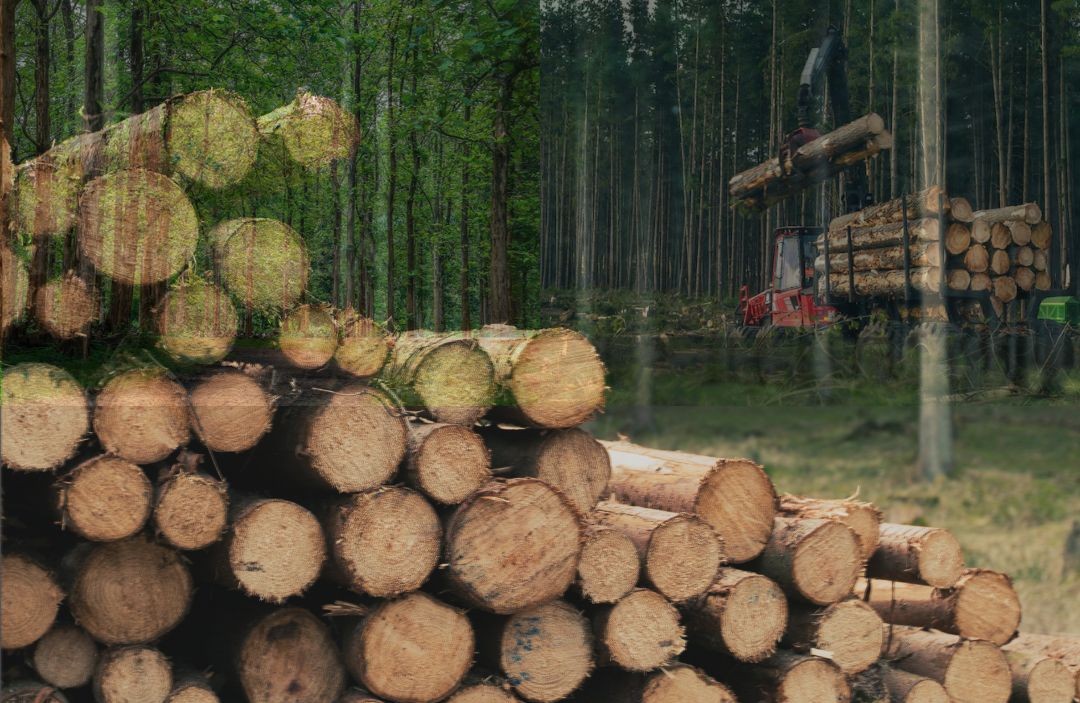
As global demand for wood continues, plantation forests provide one important source of industrial timber.
Through planned planting, growth, harvesting, and reforestation cycles, these forests can produce wood within a managed system.
According to FAO data, planted forests represent approximately 7% of the world's total forest area, but supplied around 46% of global industrial roundwood in 2020.
This difference shows the important role that planted forests can play in supplying timber.
When properly managed, they provide a planned source of wood production while allowing timber resources to be grown and harvested through repeated forestry cycles.
Does “Real Wood” Have to Be One Solid Piece?
Responsible use of timber is not only about where trees grow. It is also about how much value we can create from the material after harvesting.
Every log is different. Some are large, some are small, and each has its own grain, dimensions, and characteristics.
Traditionally, a large piece of solid timber may have been seen as the best example of “real wood.” Today, modern wood processing gives us many more ways to use different parts of a tree.
Suitable larger sections can become solid wood furniture, flooring, or structural timber.
Smaller wood sections can be combined to create glued laminated timber (GLT).
Logs can be rotary-cut into veneers and manufactured into Plywood or LVL, while wood strands can be arranged in specific directions and pressed into OSB.
Solid timber, veneers, smaller wood sections, and wood strands all have different characteristics and suitable applications.
Using these materials according to their strengths allows more parts of each tree to remain useful rather than measuring timber value only by the size of a single solid board.

Sustainable Timber Starts with Knowing the Source
Choosing timber does not have to be a simple choice between plantation forests and primary forests.
A better starting point is understanding where the timber comes from, whether its source can be traced, how the forest is managed, and how efficiently the material will be used.
Species, appearance, dimensions, performance, and price will always matter. But responsible sourcing and recognized forest certification can add another important consideration to the purchasing decision.
TFSI provides FSC-certified timber together with professional material recommendations and customized processing solutions. From structural timber and decorative wood to engineered and specialty wood products, we help customers select materials according to their project requirements.
A more sustainable use of wood begins before the material reaches the project. It begins by understanding the forest behind it.
Read More
Related Product

Reference :
https://www.fao.org/forest-resources-assessment/en
https://www.fao.org/sustainable-forest-management/toolbox/modules/management-of-planted-forests/basic-knowledge/en/
https://www.fao.org/forestry/newsroom/news-detail/planted-forests-key-to-achieving-global-goals---fao-journal/en
https://www.sciencedirect.com/science/article/pii/S2197562025000831
https://openforests.com/media/articles/primary-forests-definition-role-location/
https://www.pnas.org/doi/full/10.1073/pnas.0703333104