



A good panel needs more than an attractive surface. Strength, stability, workability, and indoor safety all matter. Birch plywood brings these qualities together, making it a practical choice for furniture and interior design.
Contents :
1. Why Is Birch a Popular Wood?
2. How Does Birch Become Plywood?
3. Why Formaldehyde Emissions Matter
4. From Furniture to Musical Instruments
5. A Practical Balance of Material and Design
6. TFSI | Your Global Timber Solutions Partner
Why Is Birch a Popular Wood?
Birch is a hardwood commonly found in colder, high-latitude regions.
Growing under cold conditions gives birch a dense structure with a fine and even grain. Its natural color usually ranges from pale yellow to creamy white, creating a clean appearance that works well with many interior styles.
Birch is valued for its hardness, strength, and fine texture, as well as its resistance to moisture and pests.
These characteristics allow it to be used for many different products, including furniture, musical instruments, yachts, and baseball bats.
For interior applications, its light color and subtle grain also provide a simple and natural appearance that fits both modern and traditional designs.
How Does Birch Become Plywood?
Instead of using one solid piece of timber, plywood is built from multiple thin layers of wood called veneers.
These veneers are bonded together with the grain direction of each layer usually placed across the next. This cross-layered structure helps distribute stress in different directions and improves dimensional stability.
You can think of it as a wood sandwich, with each layer working together to create a strong panel.
Birch plywood combines this structural design with the natural properties of birch. The result is a panel with a solid feel, smooth surface, fine texture, and clean-cut edges. It is also easy to machine and process, making it suitable for furniture manufacturing and detailed interior work.
Compared with pine, birch provides greater strength and has a lower tendency to warp, giving the finished panel good stability for long-term use.
Why Formaldehyde Emissions Matter
When selecting plywood for indoor applications, the wood itself is only part of the material.
The adhesive used between the veneers is also important because it can affect formaldehyde emissions and indoor air quality.
Formaldehyde exposure can irritate the eyes, nose, and throat, while long-term exposure may affect the respiratory system. This is why emission standards are an important consideration for plywood used inside homes and other indoor spaces.
Many birch plywood products use adhesives designed to meet strict European formaldehyde emission requirements and relevant safety standards.
Low-emission plywood can reduce strong chemical odors and makes the material more suitable for indoor applications.
For projects such as wardrobes, cabinets, bed frames, and children's furniture, choosing birch plywood with the appropriate formaldehyde emission grade provides a combination of structural performance, appearance, and indoor material safety.
From Furniture to Musical Instruments
The performance of birch plywood has also made it useful across different industries.
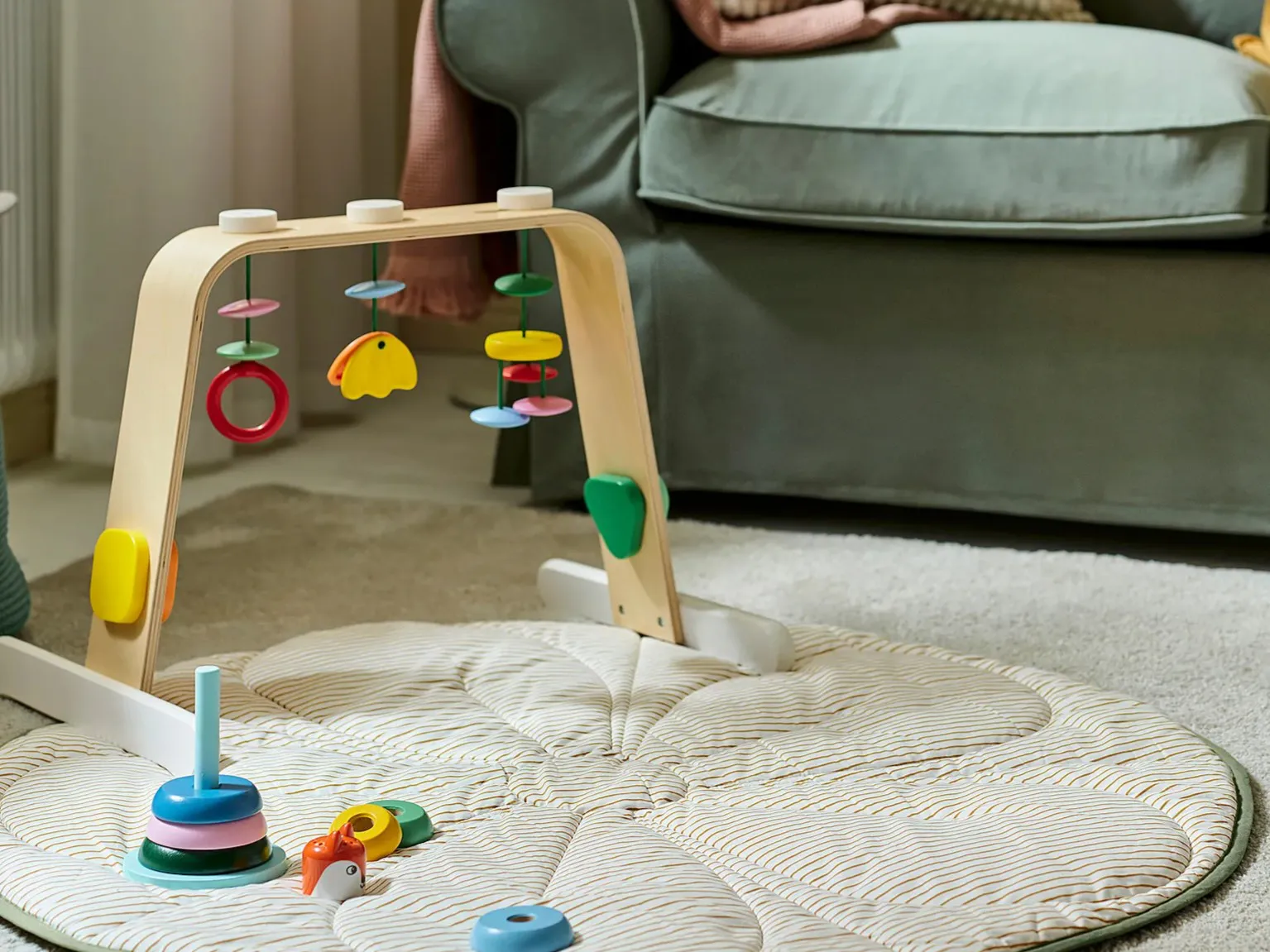
In furniture, its light color, smooth appearance, and stable panel structure fit naturally with clean and simple design styles. IKEA, for example, has used birch and birch plywood in a range of furniture products where appearance, practicality, and cost efficiency are important.
Its applications also extend beyond furniture.
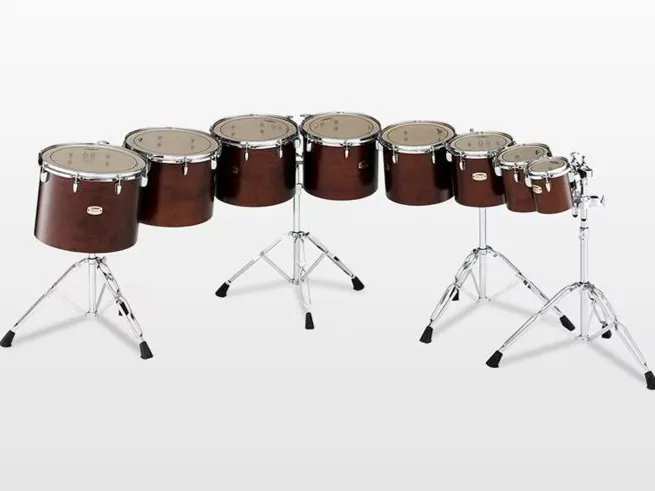
Yamaha uses birch plywood for drum shells. The dense and consistent characteristics of birch help produce the clean, focused sound valued in musical instruments.
These examples show why birch plywood can move easily between different applications. The same material characteristics that provide stability for furniture can also offer useful performance in products where precision and consistency matter.
A Practical Balance of Material and Design
Birch plywood combines the natural appearance of wood with the structural advantages of a layered panel.
Its fine grain creates a clean visual finish, while the cross-laminated veneer structure provides strength and dimensional stability. With the right adhesive and emission standard, it can also meet the requirements of many indoor applications.
This balance makes birch plywood a versatile option for furniture, cabinetry, interior finishing, product design, and other applications that require both appearance and performance.
However, not every project requires the same plywood specification. Panel thickness, veneer quality, formaldehyde emission grade, appearance, certification, and processing requirements should all be considered before selecting the material.
Read More
Related Product

References:
https://www.purityfamily.com.tw/laminate-lumber-board/ https://www.bestwood.com/product_d.php?lang=tw&tb=1&id=222&tab=146 https://reurl.cc/RkYXOr https://vinawoodltd.com/blogs/news/birch-plywood?_pos=1&_sid=8cde946eb&_ss=r https://tw.yamaha.com/zh/products/musical_instruments/percussion/tom_toms/ct-8000/index.html https://www.purityfamily.com.tw/laminate-lumber-board/#%E4%B8%AD%E8%8F%AF%E6%B0%91%E5%9C%8B%E7%94%B2%E9%86%9B%E6%A8%99%E6%BA%96%EF%BC%88CNS%EF%BC%89 https://www.ikea.com.tw/zh/products/kids-toys/baby-toys/leka-art-30575082