

Two Distinctive Hardwoods for Creative Interior Design
Great design does not always need more materials. Sometimes, the right wood is enough.
Contents :
1. When Wood Becomes the Focus of a Space
2. American Black Walnut: Rich Color and Timeless Appeal
3. Yellow Poplar: More Than a Light-Colored Hardwood
4. Rainbow Poplar: Natural Patterns That Cannot Be Repeated
5. Two Woods, Two Different Design Expressions
6. From Material Selection to Finished Design
7. TFSI | Your Professional Timber Solutions Partner
When Wood Becomes the Focus of a Space
Can a single type of wood create a memorable interior?
The answer often lies in its natural color and grain.
Wood is more than a basic material for furniture and interior finishing. Its appearance can influence the entire atmosphere of a space.
Light-colored timber can make a room feel bright and open, while darker species create warmth, depth, and a more refined appearance.
Some woods have such distinctive colors and grain patterns that they can become the main feature of a design without additional decoration.
Two interesting examples are American Black Walnut and Rainbow Poplar.
Although their appearances are very different, both demonstrate how natural wood can bring character to interior spaces.
American Black Walnut: Rich Color and Timeless Appeal
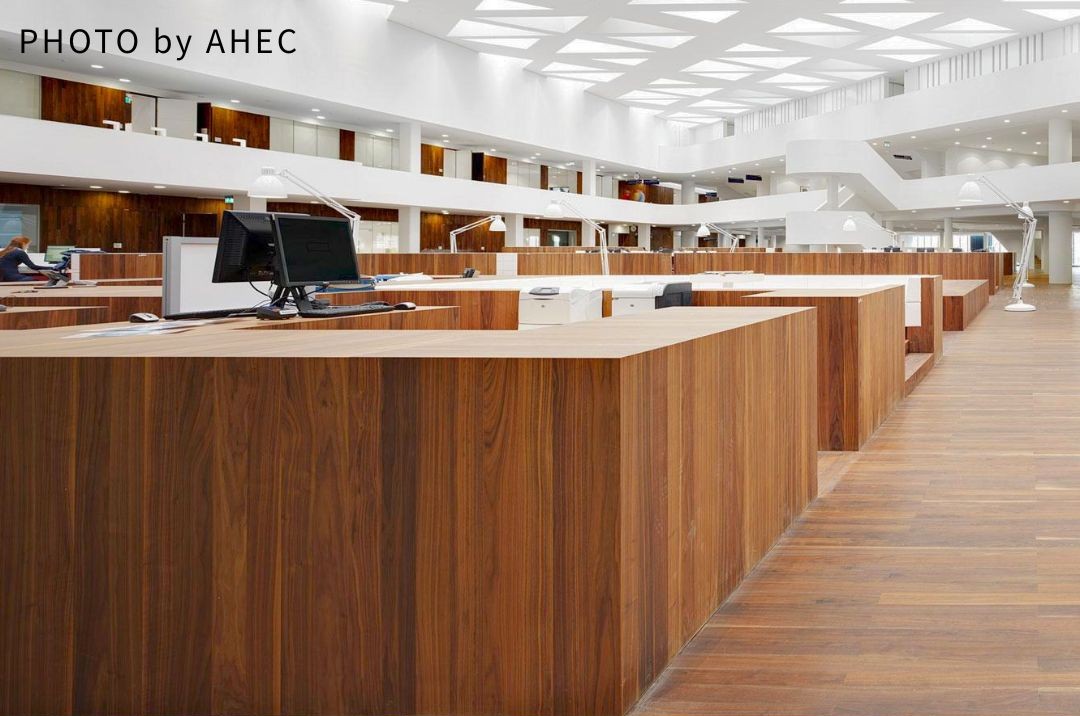
American Black Walnut is a hardwood species mainly found in the eastern and central United States.
It is well known for its deep heartwood colors, which typically range from chocolate brown to dark brown. Some boards also show subtle red or purple tones.
Its grain is generally smooth and flowing, although wavy or unusual patterns can occasionally appear.
These natural characteristics make American Black Walnut a popular material for interiors that require a warm and elegant appearance.
For example, large walnut cabinets can create a strong visual presence while maintaining a natural and comfortable atmosphere.
When used for tabletops, doors, or selected wall panels, its dark color can also create contrast with lighter materials.
This allows designers to highlight certain areas of a room without relying on complicated shapes or decorative details.
The natural richness of American Black Walnut gives designers a simple way to create a refined interior.
Yellow Poplar: More Than a Light-Colored Hardwood
Yellow Poplar, also called American Tulipwood, is a common hardwood species from North America.
Its sapwood is usually creamy white, sometimes with natural markings or darker streaks.
The heartwood can range from pale yellow to olive green with grayish tones, often showing lighter lines along the grain.
These colors may change over time. When exposed to sunlight and ultraviolet light, the greenish heartwood can gradually darken and develop brown tones.
However, some Yellow Poplar boards have an even more unusual appearance.
Their heartwood may contain natural bands of green, purple, and brown, distributed irregularly along the wood grain.
This colorful variation is known as Rainbow Poplar.
Unlike stained wood, these colors develop naturally as the tree grows. They are associated with the tree's growing conditions and natural changes within the wood.
The result is a hardwood with a distinctive appearance that is difficult to reproduce through artificial coloring.
Rainbow Poplar: Natural Patterns That Cannot Be Repeated
One of the most interesting qualities of Rainbow Poplar is that no two boards look exactly alike.
Each tree grows under different environmental conditions, which influence the color, position, and distribution of its natural markings.
Even boards from the same shipment may show completely different combinations of colors and grain patterns.
For interior designers, this variation creates an opportunity to make the material itself the main visual feature.
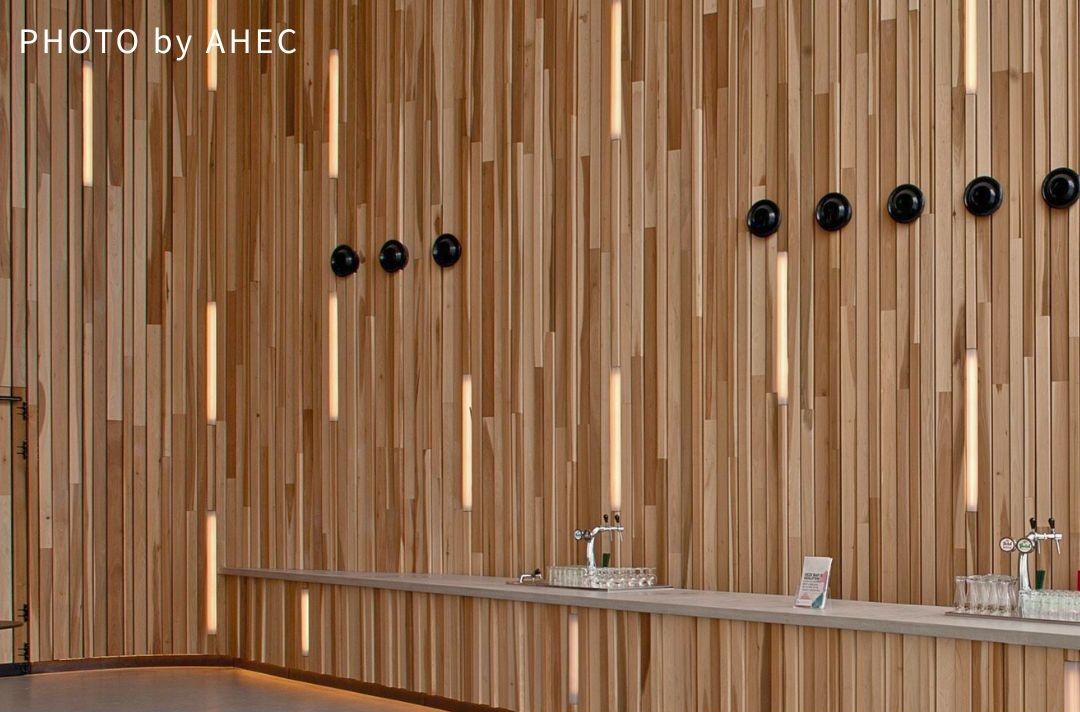
A single Rainbow Poplar panel can bring color and movement into a space without the need for multiple decorative materials.
It can be used for custom furniture, decorative wall panels, cabinet details, and other distinctive design features.
Because each piece has its own natural pattern, the finished design becomes difficult to duplicate.
This makes Rainbow Poplar especially interesting for projects that aim to create a unique visual identity.
Two Woods, Two Different Design Expressions
American Black Walnut and Rainbow Poplar demonstrate two different approaches to natural wood design.
American Black Walnut uses its deep brown color and gentle grain to create a sense of warmth, elegance, and visual depth.
Rainbow Poplar offers a more expressive appearance through its natural green, purple, and brown color variations.
One creates impact through rich, consistent tones, while the other stands out through unexpected colors and irregular patterns.
Both can be used as the main material in a design, allowing their natural characteristics to define the finished appearance.
The right choice depends on the desired atmosphere, the application, and the designer's creative direction.
When the color and grain of wood are carefully selected, the material itself can become the design.
From Material Selection to Finished Design
Choosing a distinctive wood species is only the beginning.
Board dimensions, grain direction, surface finishing, and processing methods all influence how the material will appear in the final project.
For example, selecting boards with suitable grain patterns can help create a more consistent appearance across large surfaces. For designs that highlight natural color variation, careful board selection can make each feature more noticeable.
Understanding these details helps designers and manufacturers turn material characteristics into practical design solutions.
TFSI provides professional timber supply solutions for furniture manufacturers, interior material suppliers, and other B2B customers.
From American Black Walnut and Rainbow Poplar to other hardwood products, we help customers identify suitable materials based on their specifications and intended applications.
With customized dimensions, cutting, planing, and processing options, TFSI supports customers in bringing their material requirements into production.
Read More

Related Product


Reference :
北美胡桃木心材顏色:https://www.arboretum.purdue.edu/explorer/features/fnr-blk-walnut/
北美胡桃木顏色範圍:https://www.extension.purdue.edu/extmedia/FNR/FNR-278-W.pdf
黃楊木心材顏色與轉色:https://www.arboretum.purdue.edu/explorer/?p=14521
彩色色帶與土壤礦物質的關係:https://www.wildflower.org/expert/show.php?id=4170
黃楊木心材的多種顏色:https://apps.jefpat.maryland.gov/woodandcharcoalid/Webpages-trees/TulipPoplar.htm