


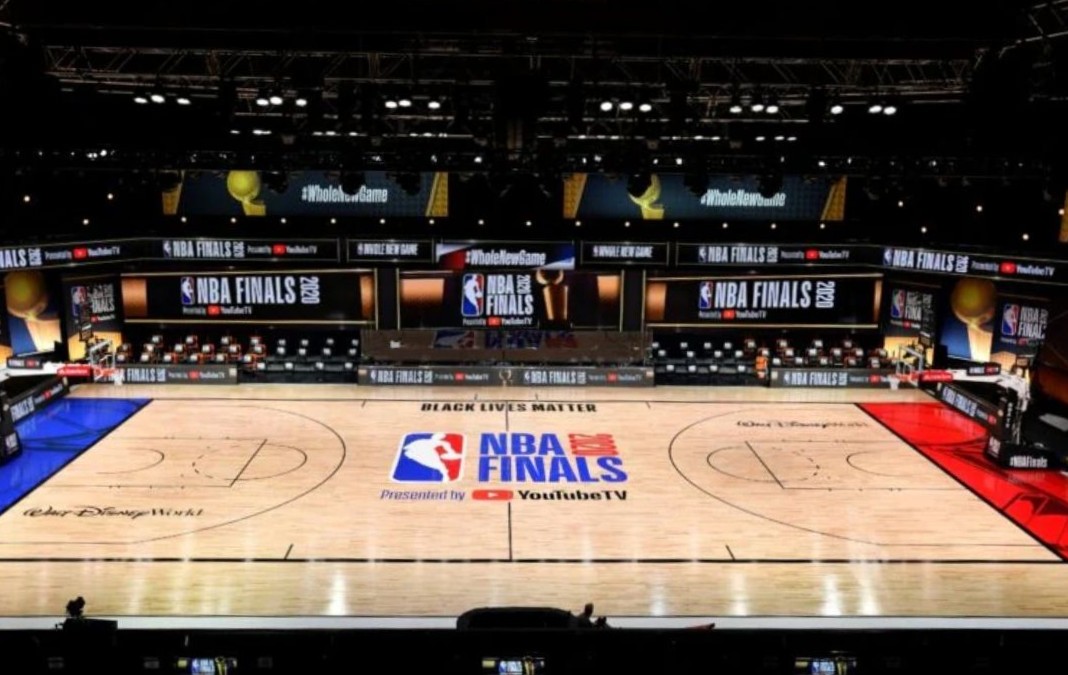
NBA Basketball Courts | The Engineering Behind Wooden Floors
How Timber and Supporting Materials Create High-Performance Sports Flooring
A professional basketball court is more than a polished wooden surface. From durable hardwood to the supporting structure underneath, every layer plays a role in creating a safe and reliable playing surface.
Contents :
1. What Makes NBA Basketball Flooring Different?
2. Hard Maple and Beech: Choosing Wood for Sports Flooring
3. How Do Professional Basketball Courts Meet Performance Standards?
4. Beneath the Hardwood: How a Sports Flooring System Works
5. Why Plywood and Wood Battens Matter in Court Construction
What Makes NBA Basketball Flooring Different?
When watching an NBA game, most people notice the team logo at center court, the bright court markings, and the smooth wooden surface.
Since the NBA was established in 1946, wooden floors have remained a familiar feature of professional basketball.
But behind their clean appearance is a carefully designed flooring system.
Throughout a game, players repeatedly sprint, stop, change direction, and jump. Each movement places different demands on the floor.
The surface must withstand constant wear while allowing the basketball to bounce consistently.
At the same time, the flooring system needs to help absorb impact when players land.
These requirements explain why professional basketball flooring involves much more than selecting an attractive wood species.
Hard Maple and Beech: Choosing Wood for Sports Flooring
The choice of surface material is an important part of basketball court construction.
North American Hard Maple is widely used in professional basketball arenas because of its hardness, fine grain, and resistance to wear.
This hardwood grows mainly in the colder regions of North America.
Its dense structure helps the surface withstand repeated friction from athletic shoes and the demands of regular competition.
Hard Maple also has a light color and relatively consistent grain, creating a clear background for court lines and team markings.
These visual qualities are particularly useful in large arenas with strong lighting and television broadcasting requirements.
The history of maple flooring is closely connected with the development of basketball.
Basketball was invented in 1891, and the Maple Flooring Manufacturers Association (MFMA) was founded in the United States in 1897.
Today, MFMA continues to maintain standards for maple sports flooring, including sourcing requirements for certified Hard Maple from regions north of 35 degrees latitude.
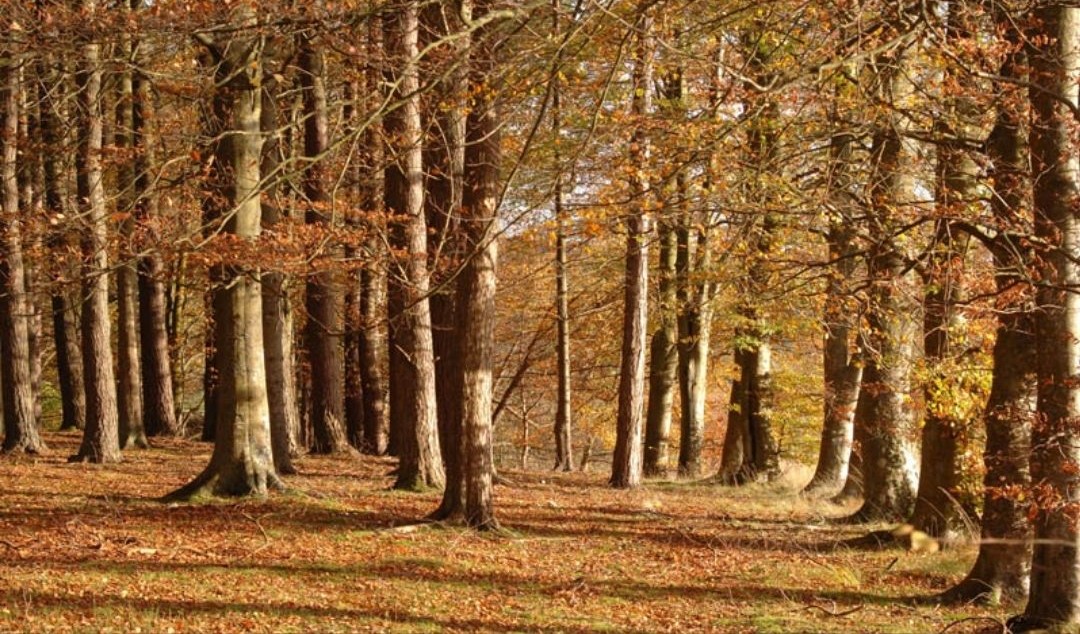
Another important species is European Beech.
Commonly used in European indoor sports facilities, Beech offers a fine, uniform grain and good wear resistance.
Both hardwoods demonstrate how material properties influence the performance and appearance of sports flooring.
How Do Professional Basketball Courts Meet Performance Standards?
A basketball court must do more than resist scratches and wear. Its performance must also support the fast movements and repeated impacts of competitive sports.
The International Basketball Federation (FIBA) maintains a certification system for basketball flooring.
For Level 1 competitions, wooden flooring is required, and the flooring system must meet specified performance criteria through laboratory testing.
Several important properties are evaluated.
Shock absorption measures how effectively the flooring system reduces impact forces during landing.
Vertical deformation indicates how much the floor moves downward when pressure is applied.
Ball rebound testing checks whether a basketball bounces consistently across the playing surface.
A court with uneven ball rebound could affect the movement of the ball during a game.
Another key factor is slip resistance.
The surface must provide enough friction for players to maintain grip while running and turning, without creating excessive resistance.
This performance depends largely on the floor finish and its cleanliness. Together, these tests evaluate the behavior of the entire flooring system rather than the surface wood alone.
Beneath the Hardwood: How a Sports Flooring System Works
Hard Maple is known for its strength and wear resistance, but the cushioning effect of a basketball court does not come from the hardwood surface alone.
Much of the floor's shock-absorbing performance comes from the structure underneath.
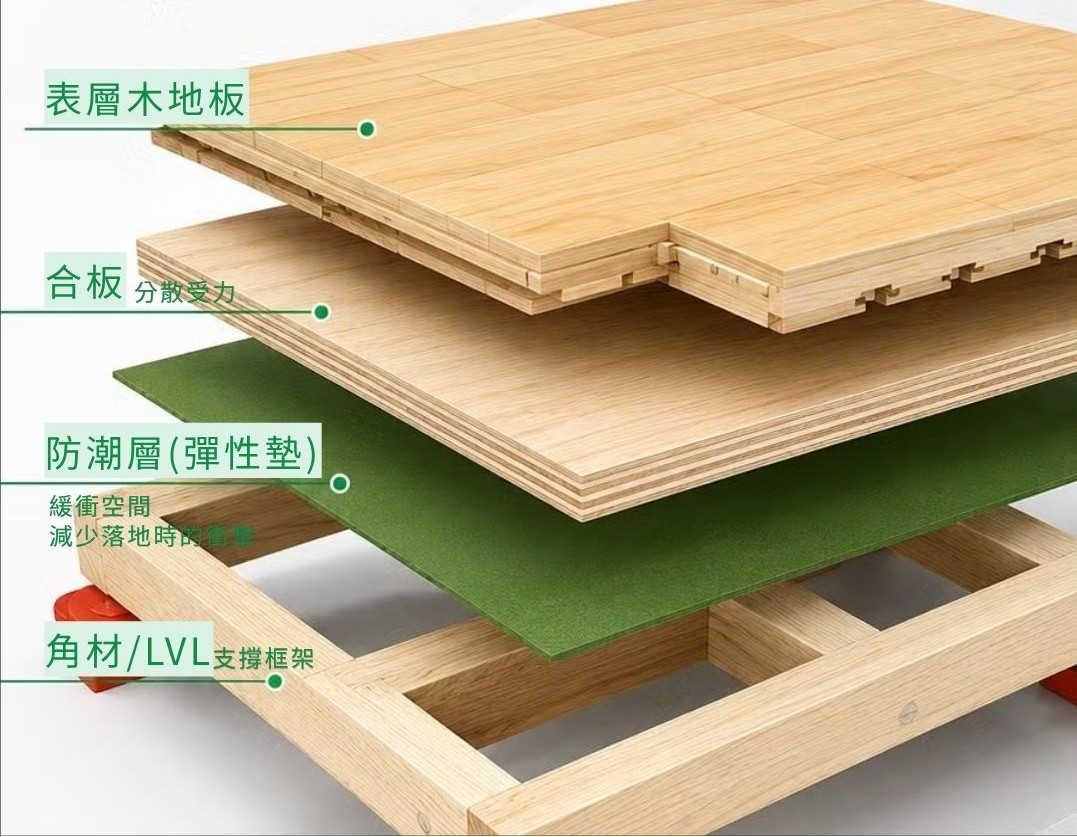
A typical wooden sports floor consists of several layers working together.
The upper layer is made from durable solid wood flooring, which provides a smooth playing surface and consistent ball response.
Below the hardwood, plywood helps distribute loads across the supporting structure.
Wood battens or sleepers form the framework that supports the floor and helps maintain structural stability.
Resilient pads are installed within the system to provide cushioning and allow controlled movement under pressure.
A moisture barrier may also be included to help protect the flooring system from moisture coming from the subfloor.
When a player lands after a jump, the floor moves slightly under the applied force.
The supporting layers and resilient components work together to absorb part of the impact before returning toward their original position. This combination allows the flooring to provide both stability and cushioning.
A high-performance basketball court is not simply a hardwood floor. It is an engineered system in which every layer has a specific function.
Installation and Maintenance: Protecting Wooden Sports Floors Even a well-designed sports flooring system requires proper installation and ongoing maintenance.
Wood responds naturally to changes in temperature and humidity.
If these conditions are not properly managed, wooden flooring may expand, shrink, warp, or develop gaps.
Before installation, the wood should be dried to a suitable moisture content and allowed to adjust to the conditions of the installation site according to the manufacturer's requirements.
Proper installation helps reduce the risk of future movement and deformation.
Regular maintenance is equally important.
Sports flooring should be kept clean and dry, with dust and dirt removed regularly.
Excessive water exposure should be avoided, and indoor temperature and humidity should remain within suitable ranges.
Over time, the protective surface finish may become worn due to frequent use.
Depending on its condition, the flooring may require surface repairs or refinishing to maintain its appearance and performance.
With correct installation and consistent care, wooden sports floors can remain in use for decades.
Why Plywood and Wood Battens Matter in Court Construction
The performance of a basketball court begins with the materials used throughout its flooring structure.
While the hardwood surface provides wear resistance and stable ball rebound, the layers underneath contribute to load distribution, support, and cushioning.
This makes plywood and wood battens important components in many professional sports flooring systems.
Their dimensions, quality, and installation must match the requirements of the selected flooring design.
Different projects may require different material specifications depending on the supporting structure, floor height, loading conditions, and intended use.
For contractors and flooring manufacturers, selecting suitable supporting materials is an essential part of building a reliable sports floor.
Timber Supply Solutions for Sports Flooring Projects From professional basketball arenas to indoor sports facilities, the performance of wooden flooring depends on both the surface material and the supporting structure.
Selecting the right timber products helps ensure that each component meets the project's technical and construction requirements.
TFSI provides international timber supply solutions for flooring manufacturers, contractors,
timber importers, and other B2B customers.
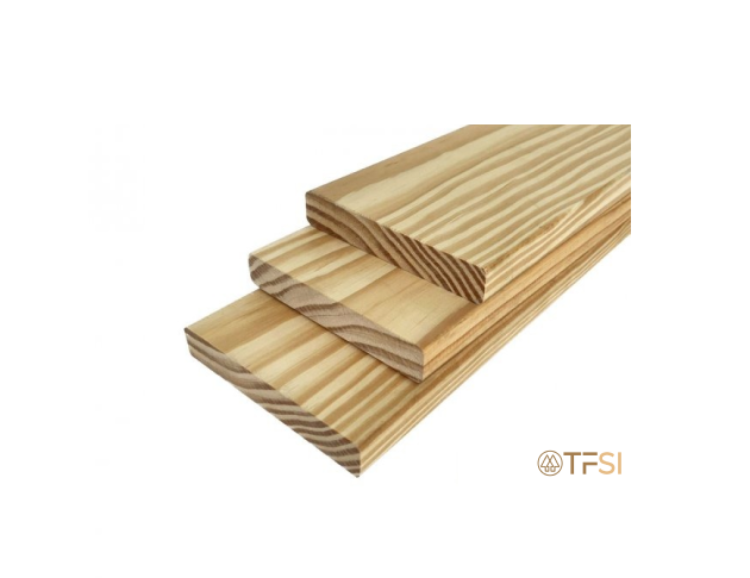
Our product range includes Red Pine, Spruce, and Southern Yellow Pine timber battens, along with various plywood products suitable for supporting structures in sports flooring systems.
We also offer customized dimensions, cutting, and material specification support to meet different project requirements.
By connecting global timber resources with practical material solutions, TFSI helps customers source the wood products they need for construction and manufacturing.
Read More
 MycoTemple | When Fungi Become Part of Architecture
Related Product
Reference:
MFMA 成立年份、北緯 35 度認證、保養方式:https://www.wunc.org/sports/2025-04-02/maple-hardwood-the-very-foundation-of-the-final-four-is-ingrained-with-basketballs-rich-history
FIBA Level 1 木質地板規定與實驗室檢測:https://www.mondoworldwide.com/na/en/spaziomondo/doyouknow/fiba-level-1-flooring-requirements/
運動地板的角材與彈性結構:https://www.junckers.com/sports-flooring/fixed-sports-flooring-solutions/unobat-45
硬木地板架設於彈性底層、可使用數十年:https://www.corlewandperry.com/blog/articles/maple-vs-synthetic-why-professional-basketball-still-demands-hardwood