


From Traditional Wooden Crossings to Modern Timber Engineering
Long before modern steel and concrete bridges, people used timber to cross rivers and valleys. This simple idea developed into different building traditions shaped by local forests, natural conditions, and woodworking knowledge.
Contents :
1. How Did People First Build Bridges with Wood?
2. Choosing Timber for Different Outdoor Environments
3. Four Hardwoods Used in Outdoor Construction
4. What Makes Certain Woods Naturally Durable?
5. Why Are Wooden Bridges Still Relevant Today?
6. From Traditional Timber to Modern Engineered Wood
7. TFSI | Your Professional Timber Solutions Partner
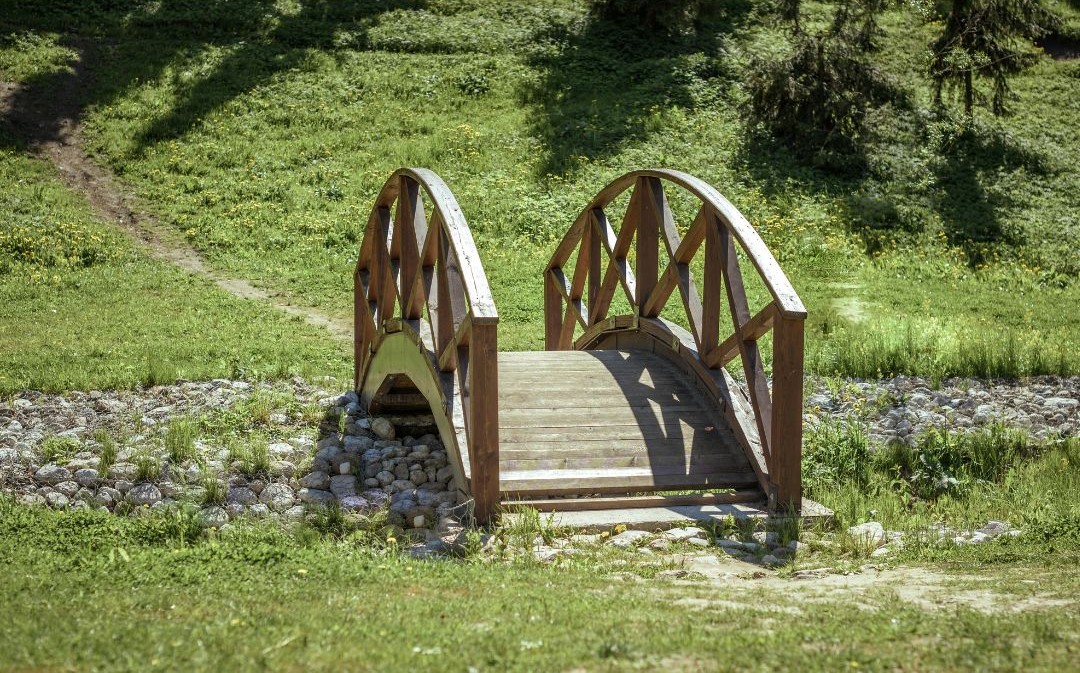
How Did People First Build Bridges with Wood?
Imagine reaching a river with no way to cross.
One of the simplest solutions was to place a long log between the two banks.
This basic structure became one of the earliest forms of a bridge, allowing people to move across natural barriers using materials found nearby.
In the past, transporting construction materials over long distances was difficult. Communities therefore depended heavily on their local environment.
Forests supplied wood for homes, furniture, boats, and bridges. The species available in each region influenced how people designed and built these structures.
As communities developed different woodworking skills, they also created construction methods suited to their local climate and timber resources.
Over time, these practical solutions became part of the history of wooden bridge construction.
Choosing Timber for Different Outdoor Environments
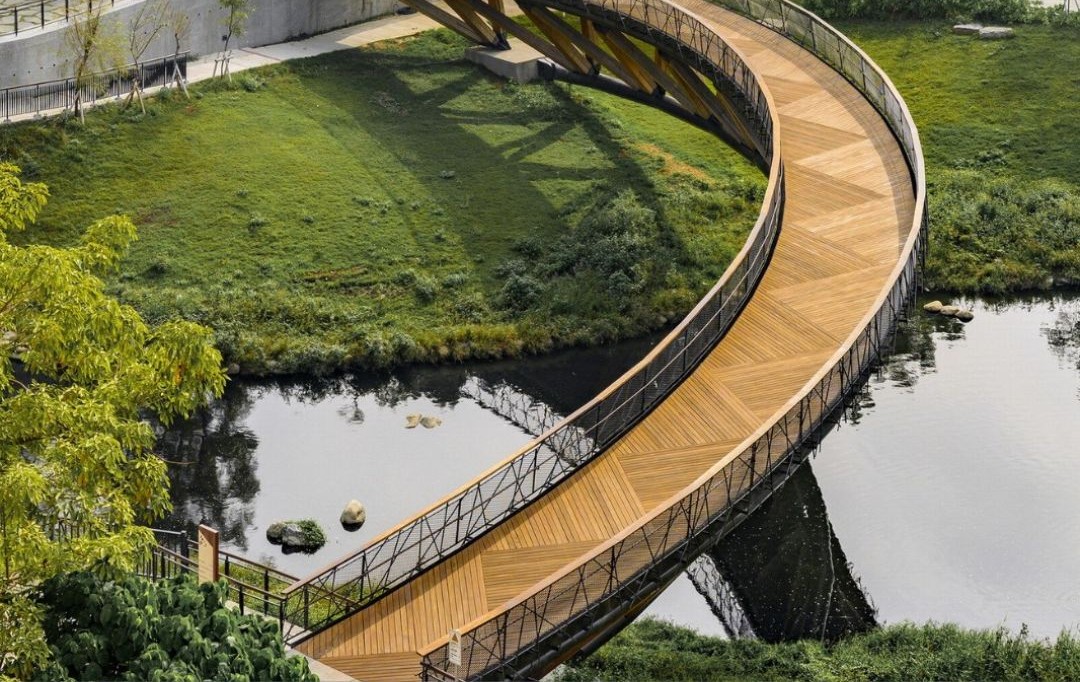
Modern timber selection is no longer limited to the trees growing near a construction site.
Today, designers and engineers can source wood from different regions and choose materials based on their performance requirements.
The question has changed from "What timber can we find locally?" to "Which timber will perform best in this environment?"
Outdoor bridges and walkways must withstand rain, sunlight, humidity, and repeated changes between wet and dry conditions.
These environmental factors can affect the long-term performance of wood.
For this reason, selecting timber for outdoor structures involves several important considerations, including natural durability, strength, exposure conditions, and maintenance requirements.
Different wood species offer different properties, making material selection an important part of outdoor timber engineering.
Four Hardwoods Used in Outdoor Construction
Several dense hardwoods are valued for their natural durability and suitability for demanding outdoor applications.
Pacific Ironwood: Hardness and Natural Resistance
Pacific Ironwood is a dense and hard timber known for its natural resistance to decay and insect damage.
These characteristics make it suitable for applications such as pedestrian walkways, bridges, and general outdoor structures.
Its strength and durability are important considerations when selecting timber for environments exposed to changing weather conditions.
Bangkirai: A Heavy Hardwood for Outdoor Use
Bangkirai is classified as a heavy to very heavy hardwood.
It is valued for its natural resistance to termites and its durability in applications where wood may come into contact with the ground.
These properties make Bangkirai a practical material to consider for outdoor structures that require long-term performance.
Borneo Ironwood: Dense Timber with Lasting Performance
Borneo Ironwood is recognized for its high density and natural durability.
It has traditionally been used in houses, bridges, and walkways, especially where resistance to outdoor conditions is important.
Its natural properties make it a valuable timber species for demanding construction applications.
Ipe: A Durable Hardwood for Heavy-Duty Applications
Ipe is a dense tropical hardwood with excellent natural resistance to decay and termites.
It is commonly used in Europe and North America for outdoor decking, boardwalks, and heavy-duty exterior structures.
Its hardness and durability make it suitable for projects where timber must perform under demanding outdoor conditions.
What Makes Certain Woods Naturally Durable?
Wood is a natural material, but not all wood species respond to outdoor exposure in the same way.
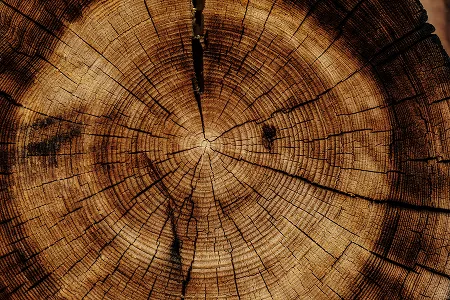
Some timber species have greater natural resistance to decay and insect damage because of the characteristics of their heartwood.
These natural properties help certain hardwoods perform well outdoors, even without additional preservative treatment.
This is one reason why dense species such as Pacific Ironwood, Borneo Ironwood, and Ipe are often considered for outdoor timber structures. However, natural durability does not mean that wood is completely unaffected by weather.
Proper design, installation, drainage, and maintenance remain important for long-term performance.
For example, timber exposed to constant moisture or direct ground contact may require different specifications from wood used in a well-ventilated structure above ground.
Understanding these conditions helps designers and contractors select materials that match the actual demands of a project.
The key is not simply choosing the hardest wood, but selecting timber with the right properties for its intended environment.
Why Are Wooden Bridges Still Relevant Today?
Steel, concrete, and modern engineering have greatly expanded the possibilities of bridge construction.
Today, large bridges can span greater distances, reach greater heights, and support heavier and more complex transportation systems.
Timber is no longer the primary material for every type of bridge.
However, wooden bridges continue to exist because of their material characteristics, landscape value, cultural significance, and advances in timber engineering.
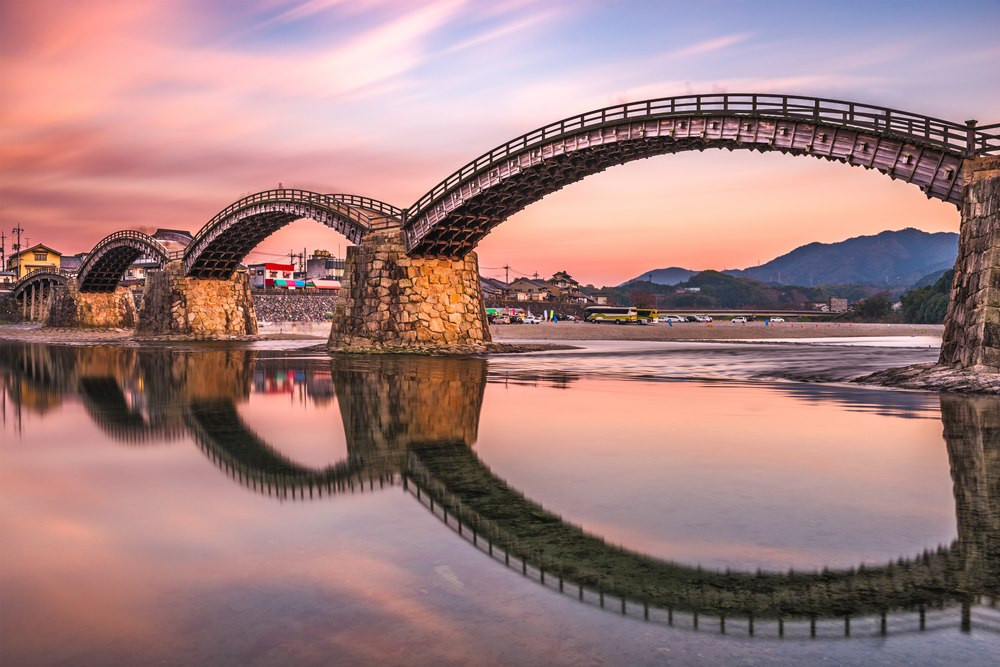
A well-known example is Kintai Bridge in Iwakuni, Yamaguchi Prefecture, Japan.
Originally built in 1673, the bridge is famous for its five wooden arches and traditional Japanese timber construction techniques.
Its carefully arranged wooden components use traditional joinery methods to form a strong structure without relying on nails in the main wooden arch system.
The arrangement of the timber allows the weight of the structure to contribute to its overall stability.
Located across the Nishiki River, Kintai Bridge represents centuries of Japanese woodworking knowledge and the effort to develop construction methods suited to local environmental conditions.
Although the bridge has experienced damage and reconstruction throughout its history, its traditional design remains an important example of wooden bridge engineering.
The lesson is simple:
The properties of timber do not only determine what can be built. They also influence how a structure should be designed.
From Traditional Timber to Modern Engineered Wood
The role of wood in bridge and outdoor construction continues to evolve.
Traditional hardwoods offer natural strength and durability, while modern engineered wood products provide additional options for structural design.
Materials such as Glued Laminated Timber (GLT), Laminated Veneer Lumber (LVL), and Cross-Laminated Timber (CLT) allow timber to be manufactured into larger and more consistent structural components.
Plywood and preservative-treated timber also support different construction and landscape applications.
Each material has its own properties, advantages, and technical requirements.
Choosing between solid timber, treated wood, and engineered wood depends on the structure, environmental exposure, design specifications, and intended service life.
For international construction projects, material availability, processing requirements, and reliable supply are also important considerations.
Finding the Right Timber for Your Project
From simple log crossings to modern engineered timber structures, wood has remained an important material in the history of bridge construction.
Today, the challenge is not only understanding how wood can be used, but also selecting the right species, grade, dimensions, and processing methods for each application.
TFSI provides international timber supply solutions for construction companies, timber importers, manufacturers, and landscape projects.
Our product range includes naturally durable hardwoods, preservative-treated timber, GLT, LVL, CLT, plywood, and customized timber products. We also support customers with material recommendations, specification matching, customized dimensions, processing options, and FSC-certified sourcing options.
By combining global timber resources with practical material knowledge, TFSI helps customers identify suitable timber solutions for different construction environments.
Read More
Related Product


Reference :
太平洋鐵木特性、缺點|bestwood
太平洋鐵木產品頁|bestwood
太平洋鐵木|維基百科
南洋櫸木產品頁|bestwood
婆羅洲鐵木|協芳木業
Tatajuba|Marine Box
Tatajuba decking|Pechar
Tatajuba|The Wood Database
錦帶橋|維基百科